
Climate Change: Why Nature Is Sending the World an Urgent Warning

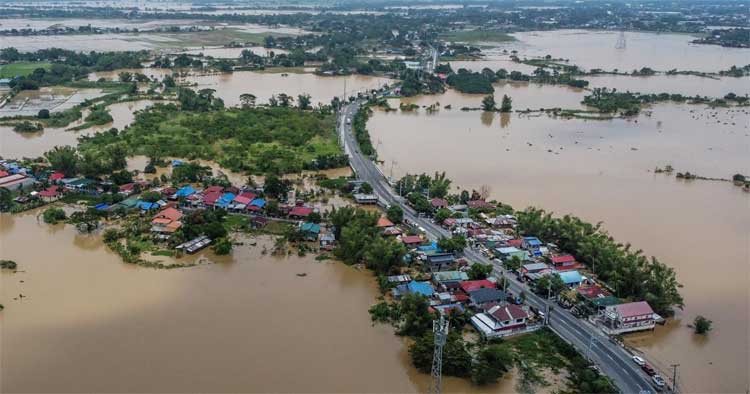
For centuries, humanity has celebrated scientific breakthroughs that have transformed the way we live. From space exploration to artificial intelligence, technological progress has reached extraordinary heights. Yet, despite these achievements, one force continues to remind us of our limitations—nature.
Natural disasters such as floods, earthquakes, cyclones, wildfires and tsunamis continue to strike with devastating consequences. Although science has improved forecasting for some weather events, there is still no foolproof system capable of accurately predicting every natural calamity. This reality highlights the importance of disaster preparedness alongside efforts to reduce environmental risks.
A Changing Climate
Scientific research continues to paint a worrying picture of the planet’s future. Climate experts warn that if global temperatures continue to rise, much of the Arctic’s summer sea ice could disappear by the end of this century.
In India, climate studies suggest that sea levels could rise significantly by the middle of the century, increasing the risk of flooding in coastal cities. Researchers also project stronger cyclones in the Bay of Bengal and a noticeable increase in temperatures across major urban centres such as Delhi and Mumbai.
These are not distant possibilities—they are trends that are already beginning to emerge.
Human Activities at the Centre
Scientists overwhelmingly agree that human activities are the primary driver of modern climate change. Rapid industrialisation, large-scale deforestation, population growth, fossil fuel consumption and excessive exploitation of natural resources have placed enormous pressure on Earth’s ecosystems.
The environmental balance that sustained life for thousands of years is being disturbed, resulting in more frequent and intense weather extremes.
Extreme Weather Is Becoming the New Normal
Around the world, unusual weather events are becoming increasingly common. Desert regions have witnessed snowfall, while intense rainfall has caused severe flooding in places that rarely experienced such conditions.
In 2024, Dubai experienced record-breaking rainfall that flooded roads, disrupted transport and brought normal life to a standstill. Similar extreme events—including devastating cyclones, heatwaves, floods and wildfires across different continents—have reinforced concerns that climate change is intensifying natural disasters.
While no single weather event can be attributed solely to climate change, scientists say a warming planet increases the likelihood and severity of many extreme weather events.
Technology Alone Cannot Protect Us
Modern engineering has improved disaster response, but no technology can completely shield humanity from the power of nature. Economic development alone is not enough if environmental degradation continues unchecked.
Experts argue that climate resilience must become a global priority. This includes strengthening disaster management systems, protecting forests, investing in renewable energy, improving water conservation and building climate-resilient infrastructure.
A Window of Opportunity
Despite the challenges, there is still reason for hope. Governments, businesses and individuals all have a role to play in slowing climate change and reducing its impact.
Simple actions such as conserving energy, reducing waste, planting trees, protecting biodiversity and adopting sustainable lifestyles can collectively make a meaningful difference. At the policy level, stronger climate action and international cooperation remain essential.
The Bottom Line
Nature has supported human civilisation for millennia by providing clean air, water, food and a stable climate. As environmental pressures mount, it is becoming increasingly clear that protecting the planet is not just an environmental issue—it is a matter of survival.
The choices we make today will determine whether future generations inherit a healthier, more resilient world or one marked by increasingly severe climate disasters. The warning signs are already here. The question is whether humanity will act before they become impossible to ignore.
Comments are closed.