
US in talks with Jamaica to accept third-country migrants as Caribbean divisions deepen

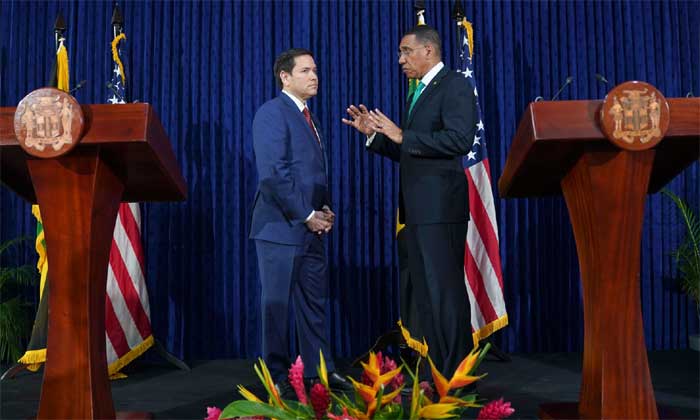
Jamaica is in talks with the United States to accept migrants deported from third countries, potentially becoming the latest nation to support the Trump administration’s expanding immigration enforcement strategy.
National Security Minister Dr. Horace Chang confirmed that Jamaica has signed a memorandum of understanding with the US Department of Homeland Security that would allow the island to receive up to 25 non-Jamaican deportees every two weeks. The arrangement remains under negotiation, with details regarding accommodation and compensation yet to be finalized.
Chang stressed that the migrants would not be detained and described the initiative as a managed transit process rather than an effort to permanently resettle foreign nationals in Jamaica.
“This does not mean third-country nationals are being dumped on our shores,” he said. “This is a structured, managed process to transit individuals through Jamaica to their final destination.”
If implemented, Jamaica would join a growing list of countries—including Mexico, El Salvador and Uganda—that have agreed to receive migrants deported from the United States despite having no direct citizenship ties to those countries.
The proposal has triggered strong criticism from the opposition People’s National Party (PNP), which accused the government of conducting negotiations without public consultation. The party warned that accepting third-country deportees could strain Jamaica’s security resources, social infrastructure and international reputation.
“Jamaicans deserve to know whether discussions have taken place and whether any commitments or understandings have been reached,” said PNP spokesperson Donna Scott Mottley.
The debate reflects broader divisions across the Caribbean, where several governments have quietly negotiated migration arrangements with Washington in an effort to preserve diplomatic ties and avoid potential economic or travel-related consequences.
The Dominican Republic, Dominica and Antigua and Barbuda have all adopted varying forms of cooperation, while Guyana is reportedly exploring a framework that would allow it to accept skilled migrants to help address labor shortages driven by its rapidly expanding oil sector.
Human rights advocates have raised concerns over the legal and humanitarian implications of such agreements. Critics point to the case of Orville Etoria, a Jamaican national who was deported from the United States to Eswatini in 2025 despite not being a citizen of that country. After spending months in detention, he was eventually repatriated to Jamaica following diplomatic intervention.
The controversy comes as the Trump administration continues to pursue third-country deportation agreements as part of its immigration crackdown. According to advocacy groups, more than 19,000 migrants have been removed to countries other than their own, often through little-publicized bilateral arrangements.
Although a US federal court ruled in early 2026 that deporting migrants to countries with which they have no connection without adequate notice was unlawful, the policy remains in effect while legal appeals continue.
Comments are closed.