
Why summer can make period rashes and irritation worse — and how to prevent them

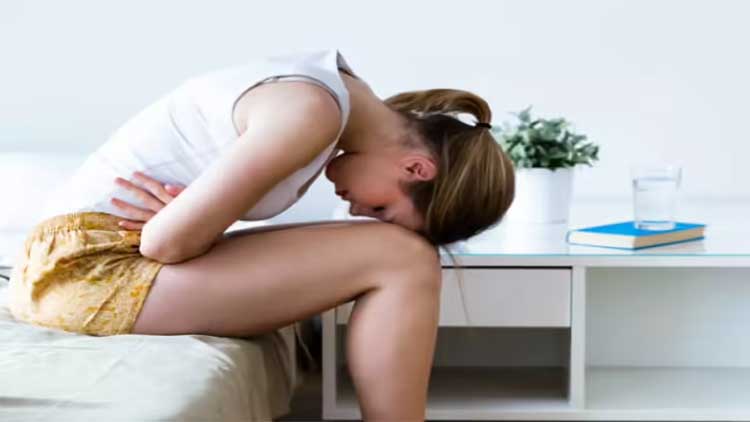
Periods can already bring a range of uncomfortable symptoms, including cramps, bloating, fatigue and mood swings. During summer, however, the combination of heat, humidity and excessive sweating can make menstrual discomfort even harder to manage, particularly when it comes to skin irritation and vaginal health.
According to obstetrician and gynaecologist Dr Priya Darshni, complaints of rashes, itching and discomfort around the vaginal area tend to increase during the hotter months.
“As a gynaecologist, I often see an increase in complaints of rashes, itching and discomfort in the vaginal area, especially during periods in hot and humid weather,” she said.
Why do period rashes become more common in summer?
During menstruation, hormonal fluctuations can make the vulvar area more sensitive. Summer conditions, meanwhile, create an environment where moisture, sweat and friction can easily trigger irritation.
Dr Darshni said common causes include:
- Excess sweating and moisture buildup, which can lead to skin irritation and peeling.
- Prolonged use of sanitary pads, causing friction and dampness.
- Increased risk of vaginal yeast infections due to trapped moisture.
- Poor ventilation from tight clothing such as jeans, shapewear and synthetic underwear.
- Chemical irritation caused by scented pads or products made with low-quality materials.
Signs to watch for
Women should pay attention to symptoms that may indicate irritation or infection, including:
- A burning sensation in the vaginal or vulvar area.
- Persistent itching or irritation.
- Small red bumps or dot-like rashes.
- An unusual or unpleasant odour.
If symptoms persist or worsen, medical evaluation may be necessary.
How to prevent summer period rashes
Experts recommend a few simple measures to reduce the risk of irritation during menstruation:
Change underwear regularly
Replace underwear whenever it becomes damp from sweat or moisture. Carrying a spare pair can be helpful during long days outdoors.
Change pads every 4–6 hours
Pads should be replaced regularly, even if they are not fully soaked, to minimise moisture buildup and friction.
Wear breathable fabrics
Cotton underwear and loose-fitting clothing allow better airflow and help keep the area dry.
Choose menstrual products carefully
Unscented, cotton-based sanitary products are generally less likely to cause irritation and help maintain the natural vaginal environment.
Consider alternative menstrual products
Menstrual cups or tampons may be suitable options for those who are comfortable using them.
Maintain good hygiene
Wash the area with plain water during pad changes or after urination, and gently pat dry. Avoid vigorous rubbing, which can further irritate sensitive skin.
When to see a doctor
While mild irritation often improves with proper hygiene and clothing choices, persistent rashes, severe itching, unusual discharge or ongoing discomfort should be evaluated by a gynaecologist to rule out infections or other underlying conditions.
With a few preventive measures, women can reduce the risk of summer-related irritation and stay more comfortable throughout their menstrual cycle.
Comments are closed.