
Delhi swelters through hottest May night in 14 years as heatwave strains hospitals, power grid

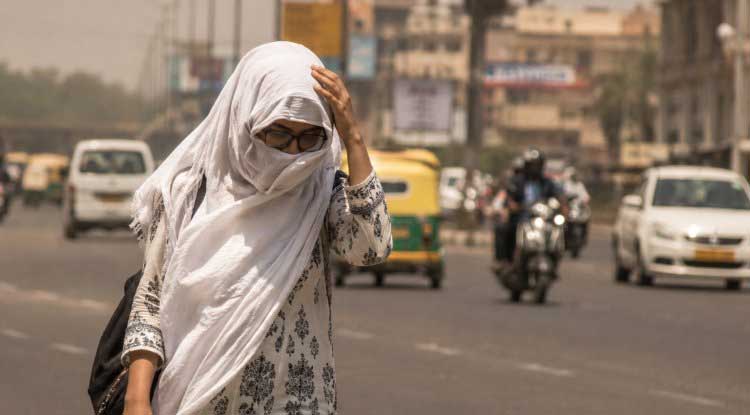
Delhi’s relentless summer heat is no longer easing after sunset, with residents now facing unusually warm nights alongside scorching daytime temperatures. The national capital recorded its hottest May night in 14 years on Thursday as an ongoing heatwave continued to disrupt daily life, triggering a rise in hospital admissions, pushing electricity demand close to record levels and increasing fire incidents across the city.
According to the India Meteorological Department, Safdarjung — Delhi’s base weather station — recorded a minimum temperature of 31.9 degrees Celsius, five degrees above normal. The reading marked the season’s first “warm night” and the highest May minimum temperature recorded in Delhi since May 27, 2012, when the city had logged 34.2°C.
Daytime temperatures remained severe as well. Safdarjung recorded a maximum of 43.6°C, 3.4 degrees above normal levels. Several parts of the city experienced even harsher conditions, with Ridge recording 45.3°C as isolated heatwave conditions continued for a fourth consecutive day.
A day earlier, Mungeshpur in northwest Delhi emerged as the city’s hottest location with a temperature of 46.3°C.
Cooling shelters offer respite
With temperatures remaining dangerously high, residents and tourists increasingly turned to cooling shelters set up across the city. The facilities, equipped with fans, air coolers, drinking water and oral rehydration solutions, have become temporary relief centres for people attempting to escape the oppressive conditions.
Officials were seen distributing water mixed with rehydration salts as people rested near cooling systems to recover from prolonged exposure to heat.
Hospitals report heat-related illnesses
The effects of the heatwave are also beginning to appear in hospitals.
Ram Manohar Lohia Hospital reported its first two heatstroke cases of the season on Thursday, with both patients said to be in critical condition.
Hospital officials said one patient, a 24-year-old student, was brought in after falling seriously ill during a train journey. Doctors reported that he had a body temperature exceeding 105°F and symptoms including vomiting and altered consciousness.
A second patient, a 55-year-old man, was brought unconscious to the hospital with a body temperature of 104°F.
Doctors at Sir Ganga Ram Hospital also reported an increase in patients presenting with heat-related symptoms.
Medical experts warned that prolonged exposure to extreme temperatures can lead to heatstroke, one of the most serious heat-related illnesses, potentially affecting the brain, kidneys, heart and muscles if not treated promptly.
Electricity demand surges
The sustained heat has also driven electricity consumption sharply higher.
Data from the State Load Despatch Centre showed Delhi’s peak electricity demand reached 8,231 megawatts on Thursday afternoon, narrowly below the all-time May record of 8,302 MW set in 2024.
Power distribution companies said supply remained stable despite the increased demand, though earlier estimates had projected Delhi’s electricity requirement could touch 9,000 MW this summer.
Across India, power demand has also climbed significantly amid widespread heatwave conditions.
Fire incidents increase
High temperatures have also coincided with a rise in fire emergencies across the city.
According to data from Delhi Fire Services, authorities have been receiving nearly one fire-related call every seven minutes this week.
Major incidents reported on Thursday included fires at a paying guest accommodation in Tagore Garden, warehouses in Siraspur, a residential building in Gulabi Bagh and a forested area near the Yamuna floodplains. No casualties were reported.
Heat alert extended
The IMD has extended its orange alert for Delhi until May 27, warning that weather conditions are likely to remain severe over the coming days.
Officials said prevailing dry northwesterly and westerly winds, along with the absence of a strong western disturbance, are expected to keep temperatures elevated.
Weather experts also suggested that a weak western disturbance affecting parts of the western Himalayan region is unlikely to provide meaningful relief to Delhi, meaning residents may continue to endure difficult conditions through the coming week.
Comments are closed.