
Ocean temperatures could shatter records within days, warns EU climate monitor

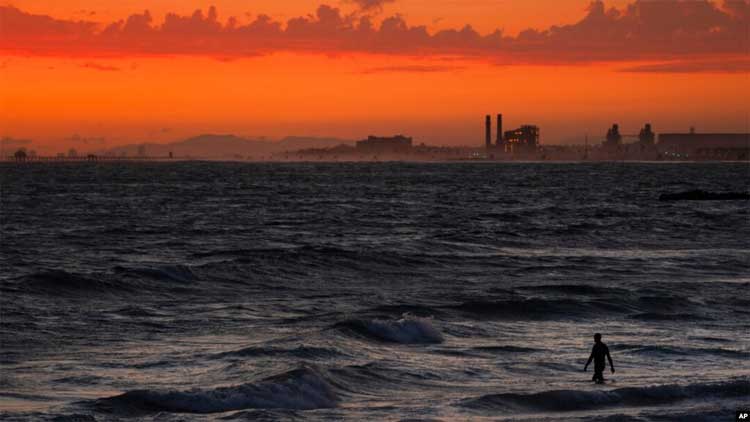
Ocean temperatures are once again approaching record-breaking levels as weather patterns shift toward a potentially powerful El Nino event, the European Union’s climate monitor warned on Friday.
European Centre for Medium-Range Weather Forecasts climate strategic lead Samantha Burgess said sea surface temperatures in recent days were only marginally below the all-time highs recorded in 2024, with May now on track to set a fresh record.
“It’s only a matter of days before ocean sea surface temperatures return to record-breaking territory,” Burgess told AFP.
The Copernicus Climate Change Service reported that daily sea surface temperatures throughout April steadily climbed toward historic highs, signalling the expected transition toward El Nino conditions in the coming months.
April registered the second-highest global sea surface temperatures ever measured, with marine heatwaves setting records across parts of the tropical Pacific and along waters near the United States.
The World Meteorological Organization had earlier warned that El Nino conditions could begin developing between May and July.
El Nino — a naturally occurring climate pattern linked to changes in Pacific Ocean temperatures and trade winds — can disrupt weather systems worldwide, increasing the likelihood of droughts, flooding, intense storms and other extreme climate events.
Its warming effect comes on top of the long-term heating caused by fossil fuel emissions. The previous El Nino played a major role in making 2023 and 2024 the second- and hottest years ever recorded globally.
Some forecasting agencies suggest the upcoming event could be especially strong, potentially rivaling the “super” El Nino recorded in the late 1990s.
Zeke Hausfather of Berkeley Earth said a strong El Nino could significantly increase the likelihood of 2027 becoming the hottest year ever recorded.
Burgess cautioned that it remains too early to determine the event’s exact intensity, noting that forecasts made during the Northern Hemisphere spring are often less reliable.
Still, she said its impact is unlikely to be minor.
“We’re likely to see 2027 surpass 2024 as the warmest year on record,” she said, noting that El Nino’s full effect on global temperatures typically emerges in the year following its peak.
Climate extremes intensify
Copernicus said the sharp rise in ocean temperatures during March and April suggests the transition from neutral conditions to El Nino is already underway.
Scientists stress, however, that El Nino is not solely responsible for the extraordinary ocean warmth now being observed.
The broader driver remains human-caused climate change, with oceans absorbing around 90 percent of the excess heat trapped by greenhouse gas emissions.
According to Copernicus, April was the world’s third-hottest April on record, averaging 1.43°C above pre-industrial levels.
Arctic sea ice remained near record lows, while Europe experienced sharply contrasting weather patterns that could set the stage for a hotter, drier summer marked by elevated drought and wildfire risks.
“We continue to see one extreme after another,” Burgess said. “Each month brings more evidence that climate change is intensifying these events.”
Comments are closed.