
Iran unlikely to loosen grip on Hormuz Strait anytime soon: US intelligence

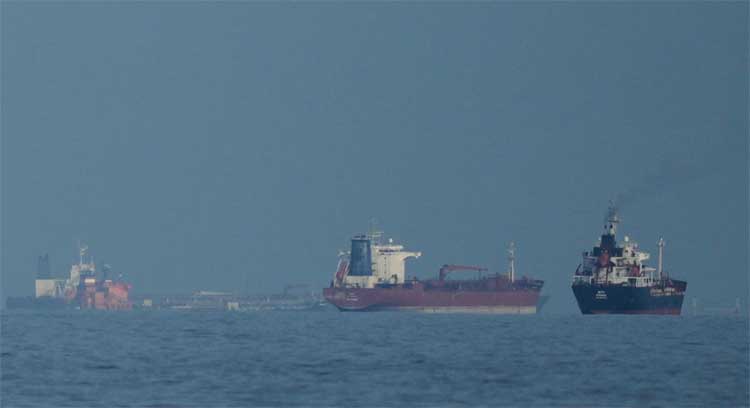
Recent US intelligence assessments indicate that Iran is unlikely to reopen the Strait of Hormuz anytime soon, as its control over one of the world’s most critical oil routes remains its strongest leverage against the United States, according to sources familiar with the matter.
The findings suggest Tehran may continue restricting traffic through the waterway to keep global energy prices elevated, increasing pressure on US President Donald Trump to seek a swift exit from the nearly five-week-long conflict — a war that has proven unpopular with American voters. The reports also underscore concerns that the conflict, originally aimed at weakening Iran militarily, may instead enhance its regional influence by demonstrating its ability to disrupt a vital global chokepoint.
Trump has downplayed the challenge of reopening the strait, which handles roughly a fifth of global oil trade, even suggesting he could order US forces to restore access. In a post on Truth Social, he said the US could “easily” reopen the passage and benefit economically.
However, analysts warn that military action against Iran — which controls one side of the narrow waterway — could be costly and risk dragging the US into a prolonged conflict. Ali Vaez of the International Crisis Group argued that in attempting to curb Iran’s weapons ambitions, Washington may have inadvertently strengthened Tehran’s ability to disrupt global stability. Iran, he noted, now sees its grip over the strait as a more powerful tool than even nuclear capability.
Trump’s stance has appeared inconsistent — at times making reopening the strait a condition for ceasefire, while also urging Gulf nations and NATO allies to take the lead. A White House official said the president remains confident the waterway will reopen soon, but emphasized that other countries have greater stakes in ensuring that outcome. The Central Intelligence Agency has not commented on the reports.
Since the conflict began on February 28 — involving both the US and Israel under Prime Minister Benjamin Netanyahu — Iran’s Islamic Revolutionary Guard Corps has employed tactics such as targeting commercial vessels, deploying mines and imposing transit demands, effectively rendering the strait unsafe. This has driven oil prices to multi-year highs and triggered fuel shortages in countries dependent on Gulf energy supplies, raising inflation concerns in the US.
Experts caution that reopening the strait by force would be highly challenging. At its narrowest, the waterway is just 33 km wide, with shipping lanes only about 3 km across in each direction — making vessels vulnerable to attack. Even if US forces were to secure coastal areas, Iran could continue disrupting traffic using drones and missiles launched from inland positions.
Former CIA Director Bill Burns said Iran is likely to retain this leverage even after the war, potentially using it to extract long-term security guarantees and economic benefits, including transit fees to support reconstruction. That reality, he noted, sets the stage for complex and difficult negotiations ahead.
Comments are closed.