
Far from the warzone, fuel woes mount worldwide

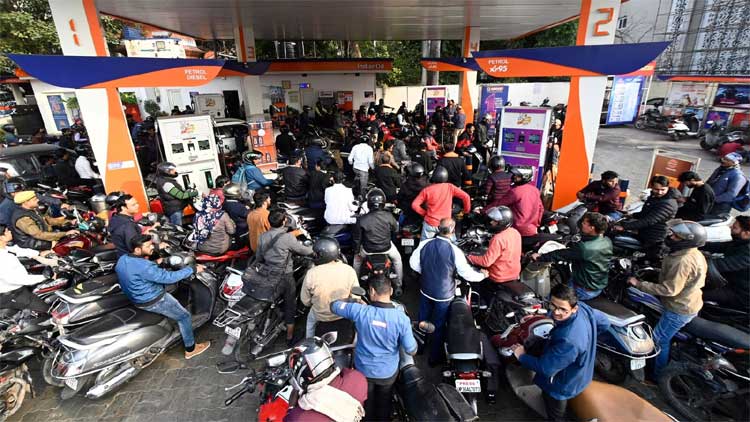
Far from the Middle East battlefield, the ripple effects of oil supply disruptions are being felt worldwide, upending daily life from Lagos to Manila as fuel prices surge and gas shortages bite.
Global benchmark oil prices are hovering near $100 a barrel — up roughly 40 to 50 percent since the war with Iran began to squeeze supplies — triggering a cascade of economic strain across continents.
In Lagos, Nigerian entrepreneur Adeola Sanni has shelved plans to hire staff as soaring petrol costs eat into her business. With unreliable electricity worsened by gas shortages, she now spends significantly more to run generators powering her sewing machines. Fuel prices in Nigeria have spiked sharply in recent years, pushing transport fares higher and deepening an ongoing cost-of-living crisis.
In India, households are scrambling for cooking gas as supplies tighten. Long queues have formed outside cylinder agencies, while alternatives like induction cooktops are flying off shelves. The shortage is especially disruptive ahead of major festivals such as Eid and Chhath, forcing families and small restaurants alike to rethink cooking plans and menus.
Across Manila, fuel price hikes are cutting deeply into incomes. Tricycle drivers report earnings slashed by as much as half, with many relying on government cash aid for relief. “No one wins in war,” one driver said, capturing the broader sentiment.
In France, fishermen are also under pressure as diesel prices surge. At the port of Lorient, crews are reducing fishing distances to save fuel, with some warning operations may halt entirely if costs rise further.
Meanwhile, in Ashgabat, consumers are grappling with rising prices after Iran halted exports of goods and agricultural products, disrupting regional trade flows and doubling the cost of everyday items.
In Thailand, fuel shortages are forcing drivers and delivery workers to spend hours searching for petrol, cutting into already modest earnings. For many, the lack of fuel directly threatens their livelihoods.
As energy markets tighten and supply chains strain, the fallout from the conflict underscores a stark reality echoed across continents: even those far from the frontlines are paying the price.
Comments are closed.