
Where does India stand on Pakistan-Afghanistan clash? As ‘open war’ rhetoric escalates, revisiting New Delhi’s earlier stance

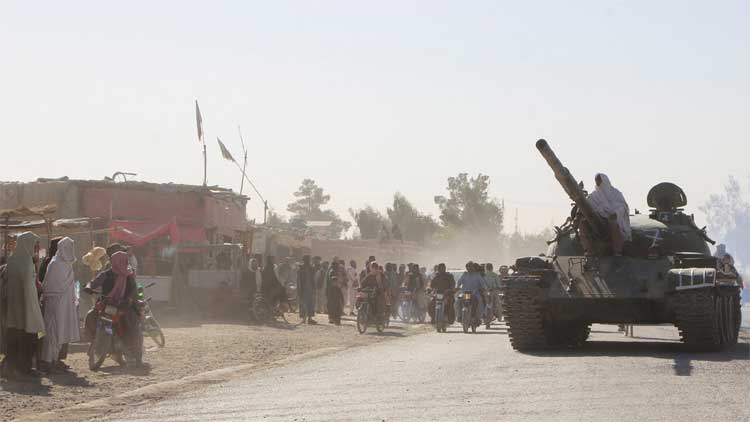
The latest escalation in border tensions between Pakistan and Afghanistan has effectively derailed the ceasefire brokered last year by Qatar and Turkey. Islamabad claims its airstrikes killed more than 130 Taliban operatives, while Kabul has reportedly denied suffering casualties in the strikes on Kabul, Kandahar and Paktia.
The fresh round of airstrikes followed what Afghanistan described as a “retaliatory” cross-border attack in response to deadly Pakistani strikes on Afghan border regions over the weekend. The tit-for-tat action has pushed relations between the two neighbours to a new low.
Where does India stand?
There has been no official response yet from India regarding the latest flare-up. However, New Delhi has previously backed Afghanistan’s sovereignty amid its tensions with Pakistan.
During a similar spike in hostilities in October 2025 — which coincided with Afghan Foreign Minister Amir Khan Muttaqi’s visit to India — New Delhi had sharply criticised Pakistan. Ministry of External Affairs spokesperson Randhir Jaiswal had then accused Pakistan of hosting and sponsoring terrorist groups and deflecting blame onto neighbouring countries for its internal challenges. He reaffirmed India’s support for Afghanistan’s sovereignty, territorial integrity and independence.
India had also condemned civilian casualties in earlier clashes. On February 22, after Kabul alleged that Pakistani strikes targeted civilian areas in Nangarhar and Paktika provinces, resulting in at least 18 deaths, New Delhi criticised Islamabad’s actions and described them as an attempt to externalise internal failures.
Pakistan’s allegations and India’s response
When tensions surged last October, Islamabad alleged that “Indian proxies” were operating from Afghan soil to target Pakistan. India dismissed the claims as “baseless.” The accusations came amid increased diplomatic engagement between New Delhi and the Taliban leadership, including a meeting between Muttaqi and External Affairs Minister S. Jaishankar — the first high-level contact since the Taliban returned to power in 2021.
What triggered the current escalation?
The renewed hostilities follow Afghanistan’s cross-border attack, described as retaliation for earlier Pakistani strikes. Islamabad subsequently launched airstrikes on Kabul, Kandahar and Paktia, claiming heavy Taliban casualties.
Pakistan’s Defence Minister Khawaja Mohammad Asif declared that “patience has run out,” calling the situation an “open war” and accusing Afghanistan of exporting terrorism.
Last week, Pakistan said its military operation had killed at least 70 militants, while Afghanistan maintained that civilian areas were hit. Days later, Kabul carried out retaliatory strikes, further escalating tensions and casting serious doubt over the fragile ceasefire facilitated by Qatar and Turkey.
Comments are closed.