
World’s Most Restricted Tourist Destinations: Where Travel Comes With Limits

For most travellers, tourism is built around freedom — choosing where to go, how long to stay, and what to explore. In many parts of the world, independent travel is taken for granted. However, a small number of countries operate very differently.
In these destinations, tourism is tightly regulated by the state. Visas are closely monitored, itineraries are often pre-approved, and visitors may be required to travel with authorised guides or avoid entire regions altogether. While travel to these countries is not impossible, it comes with limitations that can feel unusual — and, at times, restrictive.
Here are some of the world’s most tightly controlled tourist destinations.
North Korea
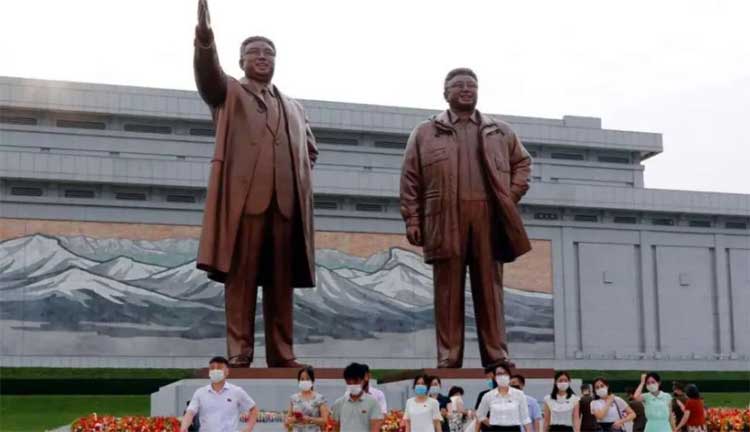
North Korea remains the most tightly controlled tourist destination in the world. All foreign visitors must travel on state-organised tours operated by approved agencies. Tourists are accompanied by official government guides at all times, and itineraries are fixed in advance.
Independent movement, unscheduled stops, or interaction with locals without supervision is strictly prohibited. Photography is heavily regulated, particularly near military installations, construction sites, and politically sensitive locations. Visitors are allowed only carefully curated glimpses of daily life.
Turkmenistan
Turkmenistan permits foreign tourists but under strict administrative oversight. Most visitors are required to hire a government-approved guide and submit a detailed travel plan in advance.
Independent travel, backpacking, or spontaneous movement between cities is difficult. Photography of government buildings, police, and public infrastructure is prohibited, often without clear signage. Travel regulations can change suddenly, making visitors highly dependent on official instructions.
Eritrea
Tourism in Eritrea is limited and closely monitored. While the capital, Asmara, is generally accessible, visitors usually need special permits to travel beyond the city.
These permits must be arranged in advance and approved by authorities. Photography restrictions are widespread, particularly near government offices, ports, and security installations. Outside Asmara, transport options are limited and accommodation is scarce.
Bhutan
Bhutan follows a different model of tourism control. Instead of political restrictions, the country promotes a “high-value, low-volume” policy aimed at protecting its environment and cultural heritage.
Most international visitors must book their trip through licensed Bhutanese tour operators and pay a mandatory Sustainable Development Fee. Although travellers can move independently with a guide, visa approval is still linked to registered operators for most nationalities. Citizens of India, Bangladesh, and the Maldives are exempt from this requirement.
Saudi Arabia (Restricted Zones)
Saudi Arabia has expanded tourism in recent years, but significant restrictions remain. The most notable applies to the holy city of Mecca, where access is strictly limited to Muslims, with enforcement at entry points. Certain parts of Medina are also restricted.
Some border regions and sensitive areas require special permits. Photography of government facilities, military installations, and security infrastructure is prohibited. Social behaviour and dress codes are more regulated than in many destinations, and visitors are expected to strictly follow local laws and customs.
Travel With Limits
While these destinations offer unique cultural, historical, and natural experiences, they require visitors to adjust their expectations. Freedom of movement, spontaneous exploration, and unsupervised interaction — common in much of the world — are often restricted.
For travellers willing to follow strict rules, these countries can still be fascinating places to visit. However, they serve as reminders that tourism is not always about open borders and personal choice — sometimes, it comes with carefully defined boundaries.
Comments are closed.