
Do You Need to Eat Before a Workout? Here’s What Experts Say

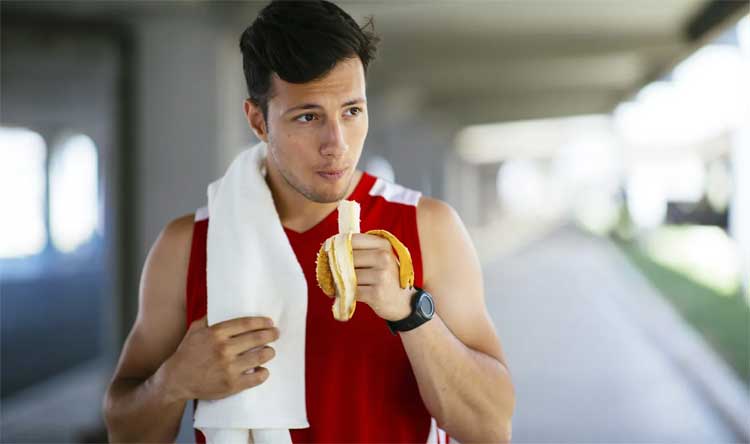
Every workout requires energy, but do you really need to eat before exercising? The answer depends largely on the intensity and duration of your workout. In some cases, you can train on an empty stomach without any downside. In others, the right food can significantly boost performance.
French biochemist and author Jessie Inchauspé recently shared on Instagram that workouts can be grouped into three main categories, each requiring a different approach to pre- and post-workout nutrition. Following a tailored eating routine, she says, can improve efficiency, endurance, and recovery.
1. Moderate-Intensity Workouts
These workouts are performed at around 50% of your maximum heart rate and mainly burn fat for fuel. They include activities such as walking, jogging, light running, and low-intensity fitness classes.
For these sessions, eating beforehand is not essential. You can exercise comfortably without food, though a light snack is fine if you prefer. Either choice is unlikely to affect performance.
2. High-Intensity Workouts
High-intensity workouts push the body to about 85% of its maximum heart rate and rely heavily on glucose for energy. These include weight training, HIIT, sprinting, and interval workouts.
“In these workouts, your body looks for glucose rather than fat,” Inchauspé explains. “So you need to give your body that fuel.”
She recommends eating carbohydrates before training, paired with protein and fat to prevent sharp blood sugar spikes.
Good pre-workout combinations include:
-
Banana with peanut butter
-
Yoghurt with whey protein and berries
-
Pear with nuts and cheese
-
Pita with hummus
-
Apple with cottage cheese and cinnamon
-
Roast potato with eggs
-
Rice with chicken and broccoli
These pairings provide steady energy without causing major glucose fluctuations.
3. Long Endurance Workouts
For workouts lasting two hours or more, such as long-distance running or cycling, the body needs continuous fuel.
Inchauspé suggests consuming glucose during exercise and pairing it with fructose to improve absorption. This helps maintain energy levels and prevents mid-workout fatigue.
Post-Workout Nutrition
After exercising, she recommends including carbohydrates in meals and pairing them with protein, fat, or fibre to avoid sharp glucose spikes.
For those who engage in strength training or weightlifting, adequate protein intake over the next 24 hours is especially important to support muscle repair and growth.
When Glucose Spikes Are Normal
Not all blood sugar spikes are harmful. During intense exercise, the liver releases glucose into the bloodstream to meet the body’s increased energy demands.
Because muscles absorb this glucose without relying on insulin during workouts, temporary spikes are usually harmless and part of the body’s natural response to physical stress.
Comments are closed.