
Doctors reveal 5 early lung cancer warning signs that affect non-smokers too

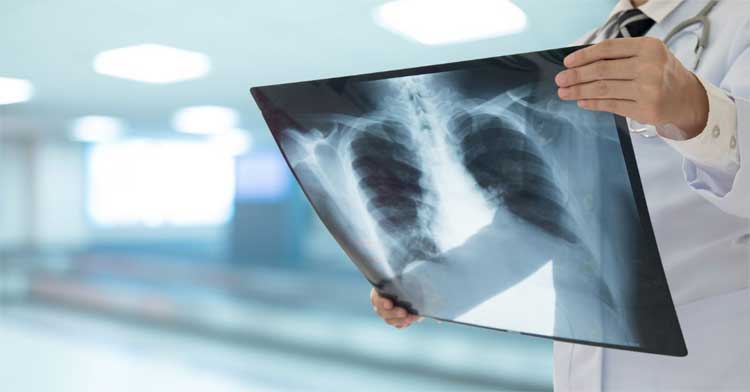
Lung cancer accounts for about 9.3% of all cancer cases in India, according to data and projections from the National Cancer Registry Programme and recent ICMR-supported studies. It remains one of the most common cancers in the country, particularly among older adults. One of the biggest challenges with lung cancer is that early symptoms are often subtle or mistaken for minor illnesses, leading to late diagnosis, delayed treatment and poorer survival outcomes.
Early detection plays a critical role in improving treatment success. “When found early, treatment is more effective, and symptoms can be managed with less impact on overall health. Recognising even subtle symptoms and causes can help stop cancer from progressing and start treatment sooner,” says Dr Indoo Ammbulkar, Senior Medical Oncologist, HCG Cancer Centre, Borivali, Mumbai, in an interaction with Health Shots.
While some symptoms may overlap with common health issues, experts stress that certain warning signs should never be ignored.
Five warning signs of lung cancer you should not overlook
1. Persistent cough or change in an existing cough
Everyone coughs occasionally, but a cough that lingers or changes in nature can be a red flag. “It may just be a minor issue, but if it continues for more than a couple of weeks, it could indicate something serious,” says Dr Ammbulkar.
Studies cited by Cancer Research UK and the NHS show that a chronic cough is a common symptom of lung cancer. According to the CHEST Journal, around 0.2% of people with a cough lasting longer than three weeks are eventually diagnosed with lung cancer. Any increase in frequency, pain, or mucus production—especially in smokers, but also in non-smokers—should prompt medical evaluation.
2. Shortness of breath or wheezing
Feeling unusually breathless during routine activities, such as climbing stairs, is another warning sign. Lung tumours can block airways or cause inflammation, making breathing difficult.
“Any noticeable change in breathing needs medical attention,” says Dr Rashmi Tarachandani, General Physician. “It could mean the lungs are inflamed or partially blocked. While it may not always be cancer, it’s important to rule out serious causes early.”
3. Persistent body pain
Ongoing pain—particularly in the chest, shoulders or back—should not be dismissed as fatigue or ageing. “Don’t ignore chronic or worsening pain,” Dr Tarachandani advises. Lung cancer can cause pain when tumours press on nearby tissues or spread to lymph nodes.
Pain that worsens at night or becomes progressively intense may signal the need for immediate medical assessment.
4. Hoarseness or voice changes
A hoarse or altered voice without an obvious cause, such as a cold or vocal strain, can be an early warning sign. “If hoarseness persists, it could indicate a more serious issue,” says Dr Ammbulkar. Tumours affecting nerves linked to the vocal cords can cause voice changes, making early reporting crucial.
5. Unexplained weight loss
Sudden, unexplained weight loss is a common cancer symptom. “Cancer cells can alter metabolism and how the body uses energy,” explains Dr Ammbulkar. Losing more than 5% of body weight over a short period without trying warrants medical attention.
Who is at highest risk?
While anyone can develop lung cancer, certain groups face a higher risk. The American Cancer Society recommends regular screening for people aged 55 to 74 who are at high risk, including:
-
Current smokers
-
Former smokers who quit within the last 15 years
-
Individuals with a smoking history of 30 pack-years or more
However, experts stress that non-smokers should not ignore symptoms. “Early detection of lung cancer significantly improves treatment options and outcomes,” says Dr Tarachandani. Awareness and vigilance remain key tools in reducing the disease’s impact.
Recognising early warning signs—and acting on them promptly—can make a life-saving difference.
Comments are closed.