
Here’s What Happens to Your Body When You Quit Smoking — From the First 20 Minutes to 10 Years Later

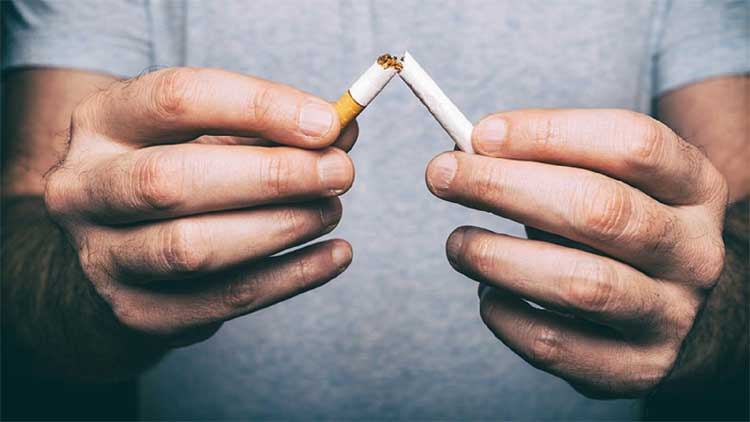
Smoking has been part of human society for centuries, even as awareness of its harmful effects has steadily grown. Its addictive nature, glamorisation in popular culture and easy availability continue to draw people into the habit, despite the risks.
According to the American Lung Association, smoking remains the leading cause of preventable disease and death worldwide. Cigarette smoke contains more than 7,000 chemicals, at least 69 of which are known carcinogens. Nicotine, the primary addictive substance in cigarettes, not only creates physical dependence but also becomes intertwined with daily routines and social interactions—making quitting particularly challenging.
Yet, the health benefits of quitting smoking are substantial and begin almost immediately. New Delhi-based orthopaedic surgeon Dr Abhijit Tayade highlighted these benefits in an Instagram post shared on January 2.
Immediate benefits after quitting
The body starts to heal soon after the last cigarette, Dr Tayade explained.
-
Within 20 minutes: Heart rate and blood pressure begin to return to normal
-
Within 24 hours: The risk of a heart attack starts to decrease
While quitting is far from easy, noticeable improvements follow over the next few weeks and months, including:
-
Improved lung function
-
Easier breathing
-
Gradual return of taste and smell
Long-term benefits
“With long-term quitting, the benefits become even more significant,” Dr Tayade noted.
-
After one year: The risk of a heart attack drops by nearly 50%
-
After 10 years: The risk of lung cancer is reduced by about 50%
Most importantly, experts stress that it is never too late to quit. Research shows that even those who stop smoking in their 50s, 60s or 70s can regain several years of healthy life.
As Dr Tayade put it: “It is never too late to stop.”
Comments are closed.