

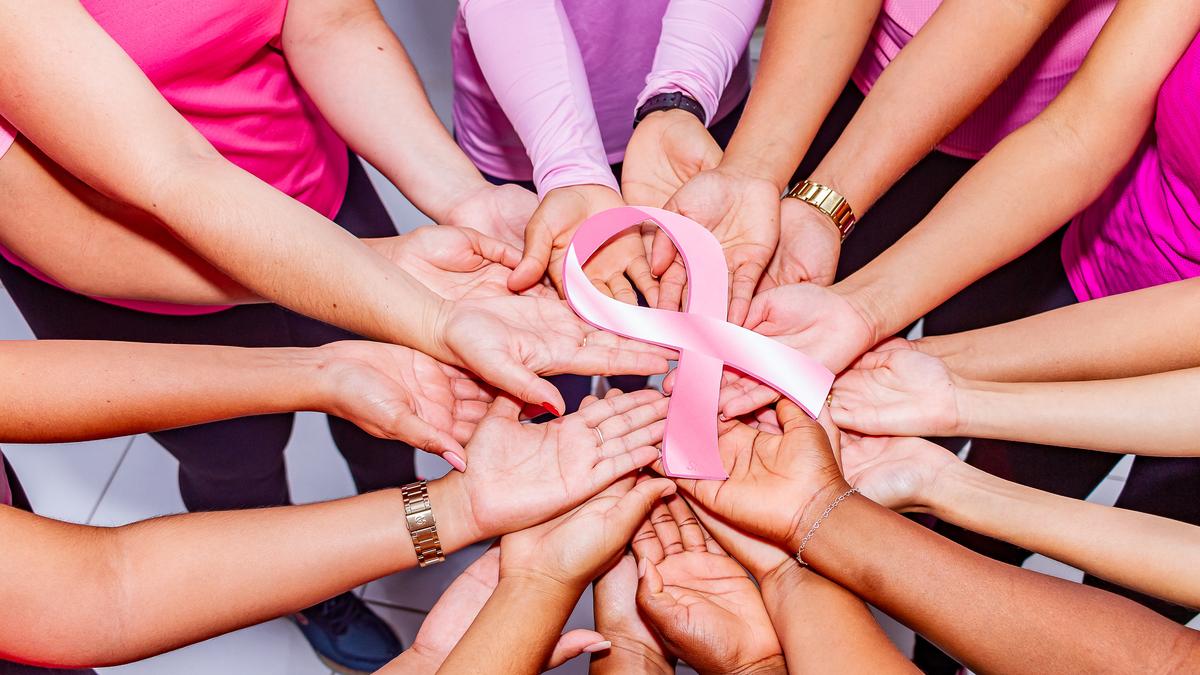
For many women, a mastectomy — the surgical removal of one or both breasts, often as part of breast cancer treatment — marks not just a medical turning point, but an emotional and deeply personal journey. Life after a mastectomy is rarely easy. Yet, amid the scars and the struggle, countless survivors are discovering new strength, new purpose, and a renewed appreciation for life.
The Physical Journey: Healing Beyond the Operating Room
Recovery after a mastectomy can be physically demanding. Pain, limited arm movement, and fatigue are common during the early weeks of healing. But doctors emphasize that the process is more than just physical rehabilitation — it’s about learning to live in a changed body.
“Physical recovery takes time, but emotional healing often takes longer,” says Dr. Meera Khanna, an oncological surgeon. “Every scar tells a story of courage. The key is helping patients feel whole again, both medically and mentally.”
Many women choose breast reconstruction or prosthetics, while others embrace their post-surgery bodies as symbols of survival. The decision is deeply personal, and experts stress that there is no “right” way to move forward — only the path that feels most empowering.
Emotional Resilience: Redefining Identity and Confidence
A mastectomy can deeply affect a woman’s self-image. For some, the loss of breasts brings feelings of grief, insecurity, or loss of femininity. Yet, mental health advocates point out that this moment can also become one of profound transformation.
“Survivors often rediscover themselves,” explains psychologist Ritu Sharma, who works with breast cancer patients. “They realize that beauty, confidence, and strength come from resilience — not appearance.”
Support groups, both online and offline, have become vital spaces for sharing stories, fears, and victories. Through connection and conversation, women find comfort in knowing they are not alone.
Relationships and Intimacy: Rebuilding Trust and Communication
A mastectomy can also impact relationships, both intimate and social. Partners may struggle to understand the survivor’s new emotional landscape, and women often fear being seen differently.
Open communication, experts say, is key. “Honesty heals,” says therapist John Davis. “Discussing fears, body image concerns, and intimacy openly can strengthen relationships rather than weaken them.”
For many couples, the experience becomes a powerful test of empathy and love — one that brings them closer in unexpected ways.
New Beginnings: From Survivorship to Empowerment
Life after a mastectomy is not just about surviving cancer — it’s about redefining what it means to live fully. Many survivors channel their experiences into advocacy, volunteering, or creative expression.
From launching awareness campaigns to participating in charity walks, they become powerful voices in the global fight against breast cancer. “I thought my story ended with surgery,” says Anjali Rao, a 42-year-old survivor. “But that’s when it really began. I found purpose in helping others see that life after cancer is still beautiful.”
A Journey of Hope
While the path after a mastectomy is marked by physical scars and emotional hurdles, it also shines with stories of rebirth and resilience. Modern medicine offers better recovery options, but it is the human spirit that drives true healing.
Each survivor’s journey is a reminder that strength is not the absence of pain, but the courage to rise after it. Life after a mastectomy is not about what was lost — it’s about what was found: a new beginning, a deeper self, and a heart that beats stronger than ever.
Comments are closed.