
Women Designers ‘Not Getting the Breaks’ Despite Global Fashion Shake-Up

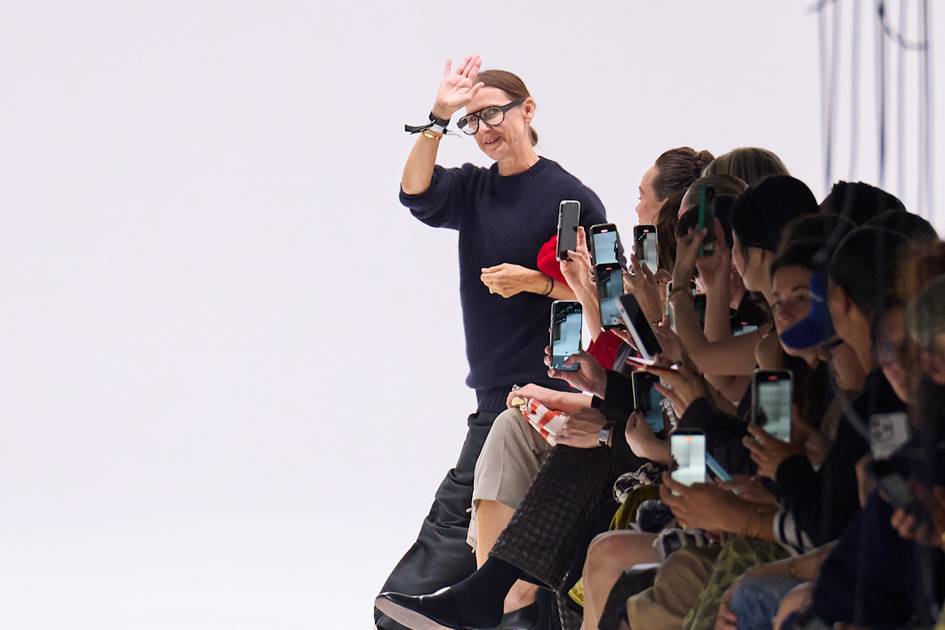
Despite a global reckoning within the fashion industry that has challenged old hierarchies, redefined sustainability, and amplified diverse voices, women designers continue to face systemic barriers to leadership and recognition. While women form the backbone of the fashion workforce — from ateliers to creative studios — the upper echelons of power remain dominated by men.
The Paradox of a Female-Driven Industry
Fashion is often perceived as a women-centric industry — built on women’s creativity, labour, and consumer power. Yet, paradoxically, most major fashion houses are still led by men. From creative directors at luxury brands to CEOs of global fashion conglomerates, women remain underrepresented in decision-making roles.
Industry observers point out that even as the fashion world undergoes a generational shake-up — with digital innovation, inclusivity movements, and sustainability reshaping its values — gender inequality persists behind the runway.
“It’s a cruel irony,” says a fashion journalist. “The industry sells empowerment to women, but often fails to empower the women who create it.”
Barriers Beyond Talent
Experts note that the lack of opportunities for women designers isn’t due to a shortage of talent but rather deep-rooted structural biases. Historically, men have been perceived as “visionary” or “avant-garde,” while women designers are often pigeonholed into “wearable,” “commercial,” or “feminine” aesthetics.
These stereotypes shape hiring and promotion decisions at top fashion houses, where creative control is often handed to male designers even when the brand’s identity or audience is overwhelmingly female.
Additionally, the high-pressure nature of fashion careers — with relentless schedules, global travel, and constant creative output — often clashes with societal expectations placed on women, particularly around family and caregiving.
The Visibility Gap
Even as new media platforms and independent labels have democratized fashion, visibility remains unequal. Male designers tend to attract faster press coverage, larger sponsorships, and greater investor confidence. Meanwhile, women-led brands often struggle to secure funding or face being labeled as “niche” ventures.
Fashion critic forums and industry awards also reflect this imbalance. In many global fashion councils, the number of female finalists and winners lags behind that of men. This creates a cycle where recognition leads to more opportunities — and the lack of it, to invisibility.
Global Shake-Up, Local Stagnation
The fashion world has witnessed a significant shake-up over the past few years. Conversations around diversity, equity, and sustainability have challenged the industry to rethink its foundations. Social media has enabled a new wave of designers from marginalized backgrounds to gain recognition. Yet, progress on gender parity remains slow.
While a handful of women — such as Maria Grazia Chiuri at Dior, Virginie Viard at Chanel, and Gabriela Hearst at Chloé — have broken through, they remain exceptions in an otherwise male-dominated creative landscape.
In emerging markets, especially in Asia and the Middle East, women designers are gaining traction, but they often encounter limited institutional support and face barriers to entering international markets. Their stories highlight how the fashion revolution is still unevenly distributed.
Financial and Institutional Challenges
Access to capital remains a defining obstacle. Investors tend to favor established male-led brands or “heritage” labels, viewing them as safer bets. Many women designers run small, independent studios without the backing of large corporate structures, forcing them to juggle creative, managerial, and logistical roles simultaneously.
Institutional fashion bodies and mentorship programs have begun acknowledging this imbalance, but critics argue that initiatives remain largely symbolic rather than structural. “We don’t need more panels discussing female empowerment — we need funding, representation, and leadership opportunities,” one emerging designer said.
The Way Forward
To bridge the gender gap in fashion, experts call for systemic change at every level — from education and mentorship to financing and leadership pipelines.
-
Mentorship and sponsorship programs must connect established female leaders with younger designers.
-
Funding models should prioritize gender balance, offering equal access to venture capital and fashion incubators.
-
Media outlets can play a critical role by amplifying women’s voices, stories, and collections beyond token coverage.
There is also a cultural shift underway: consumers are increasingly seeking authenticity and values-driven brands. Women designers, with their nuanced approach to identity, ethics, and storytelling, are uniquely positioned to lead this evolution — if given the opportunity.
Conclusion
The fashion world is evolving — but not fast enough for its women. The global shake-up has disrupted traditions, but the runway of equality remains half-built. Until women designers are given equal breaks, resources, and visibility, the industry’s promises of inclusivity will ring hollow.
Fashion has always reflected society — and in this mirror, it’s time the industry truly practiced what it preaches: empowerment not just in its garments, but in its governance.
Comments are closed.