
2 Explosions Rock Ecuador, Authorities Blame Local Criminal Gang and Colombian ex-FARC Dissidents

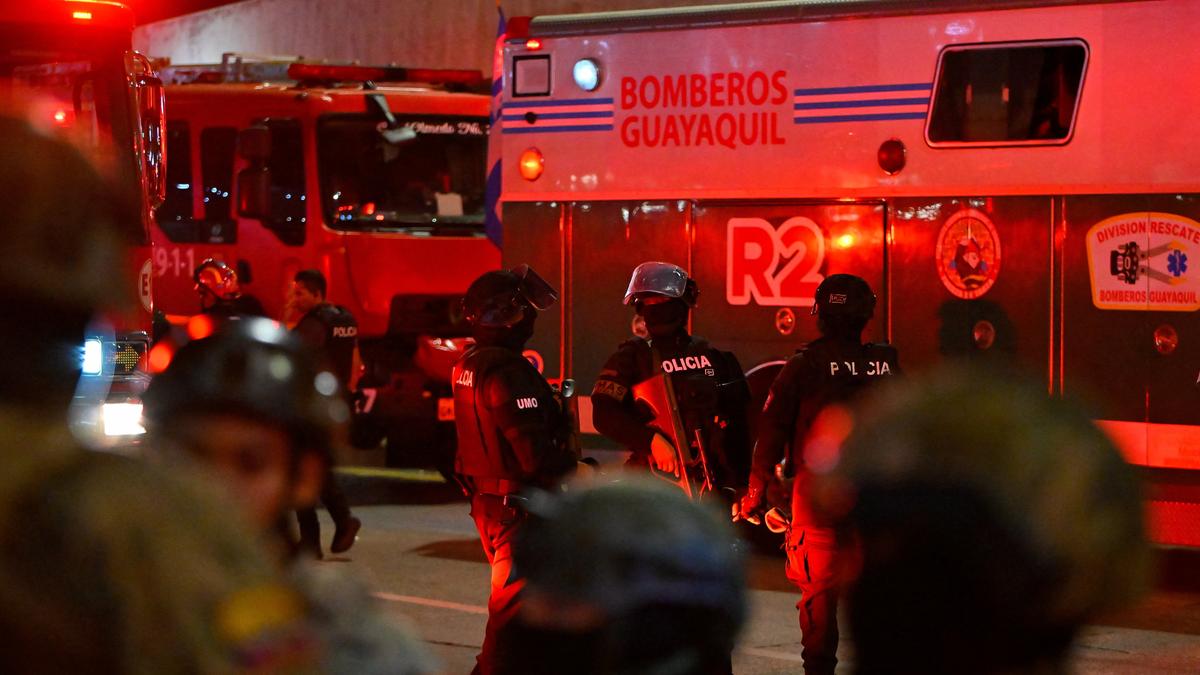
Ecuador was shaken by twin explosions that struck two separate locations late last night, leaving citizens alarmed and authorities on high alert. The blasts, which occurred in the coastal city of Esmeraldas, have been linked by officials to a local criminal organization allegedly working in coordination with Colombian ex-FARC dissidents. The coordinated nature of the attacks suggests a growing nexus between domestic gangs and transnational militant networks in the region.
Coordinated Blasts Spark Fear and Unrest
According to local media reports, the first explosion occurred near a police patrol post, while the second struck a nearby commercial area within minutes. The loud detonations sent residents fleeing into the streets, fearing further attacks. Emergency response teams rushed to the scene as plumes of smoke and debris filled the air.
Preliminary assessments indicate that the explosives were likely planted devices triggered remotely. Though no fatalities have been confirmed, several individuals, including police officers, suffered injuries from flying glass and shockwaves. Buildings near the blast sites sustained structural damage, and vehicles parked in the vicinity were badly scorched.
Authorities Point to Criminal Gangs and ex-FARC Dissidents
Ecuadorian security officials quickly attributed the attacks to a local criminal network suspected of collaborating with remnants of the Revolutionary Armed Forces of Colombia (FARC). According to intelligence sources, the gangs may have orchestrated the blasts as retaliation against recent government crackdowns on narcotics trafficking routes and illegal arms operations near the Colombian border.
“These acts of terror are meant to intimidate the state and destabilize our security apparatus,” said an interior ministry spokesperson. “We have credible evidence linking these events to groups with cross-border ties, including ex-FARC dissidents now involved in organized crime.”
The involvement of Colombian ex-FARC elements underscores the increasing regionalization of criminal activity in South America, where blurred lines between political insurgency and organized crime have complicated law enforcement responses.
Ecuador’s Growing Security Challenge
Ecuador, once considered one of the more stable nations in Latin America, has witnessed a troubling surge in violent crime in recent years. Much of this violence stems from rival drug-trafficking organizations vying for control of smuggling corridors that run through Ecuadorian territory to the Pacific coast.
The Esmeraldas region, located close to Colombia, has long been a hotspot for illicit activities — including arms smuggling, drug production, and the movement of dissident fighters. Authorities fear that alliances between local gangs and foreign militant remnants are deepening, threatening to destabilize the region even further.
Government Response and Heightened Security Measures
In the aftermath of the explosions, President Daniel Noboa convened an emergency security meeting, deploying additional military units and police reinforcements to affected zones. The government has promised swift action, announcing the creation of a joint task force to investigate the incident and dismantle the networks behind it.
Checkpoints have been established across Esmeraldas province, with the army patrolling key entry and exit routes. The national intelligence agency has also been tasked with identifying potential collaborators within the country’s borders.
“Our response will be decisive and uncompromising,” the president said in a televised address. “Ecuador will not be intimidated by criminal organizations or external influences that threaten our sovereignty and the safety of our citizens.”
Regional Implications and Cross-Border Concerns
The attacks have drawn concern from neighboring Colombia, where ex-FARC dissidents continue to operate in remote border zones despite the 2016 peace accord. Both nations have pledged closer cooperation to tackle transnational threats, but porous borders and complex jungle terrain have made enforcement difficult.
Analysts warn that if unchecked, the collaboration between Ecuadorian gangs and Colombian rebel offshoots could evolve into a larger security crisis, potentially destabilizing the broader Andean region.
A Nation on Edge but Determined to Resist
The explosions in Ecuador are more than isolated acts of violence — they represent a challenge to national stability and a test of the government’s ability to confront organized crime. As the investigation unfolds, citizens across the country are calling for stronger law enforcement and greater regional coordination to combat the spread of violent networks.
For now, Ecuador stands shaken but resolute. The twin blasts serve as a stark reminder that the fight against organized crime in Latin America is far from over — and that unity, vigilance, and resilience will be essential to preserving peace in the face of rising threats.
Comments are closed.