
Shutdown Stalemate Deepens as Health Care Clash Blocks Progress

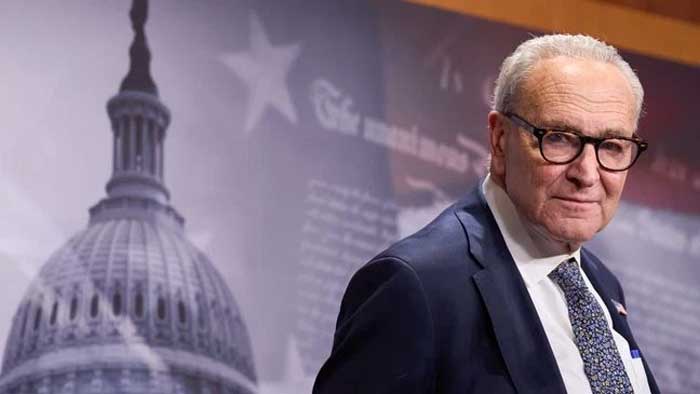
As the U.S. government shutdown entered its seventh day, the rhetoric from both parties remained unchanged — and so did the deadlock. Democrats are pushing for talks on extending expiring health care subsidies, while Republicans insist no policy negotiations will take place until the government reopens.
At the heart of the standoff is the Affordable Care Act (ACA) and the premium assistance that has helped millions afford coverage since the pandemic. Democrats want the expanded subsidies extended, warning of rising premiums if they lapse. Republicans, however, argue that the subsidized system is unsustainable and must be scaled back.
“Democrats’ position has not changed,” said Senate Majority Leader Chuck Schumer. “We want the same thing that an overwhelming majority of Americans want — to end this shutdown and stop the health care crisis that will send premiums soaring.”
House Speaker Mike Johnson, R-La., emerged from a meeting with Senate Republicans declaring the party “100 percent united.” But with hundreds of thousands of federal workers unpaid and key services halted, the path forward remains unclear.
A Renewed Fight Over Obamacare
Republicans have long targeted the ACA — former President Barack Obama’s signature health care law — since its passage 15 years ago. While GOP lawmakers have chipped away at it over the years, record enrollment of 24 million people, largely driven by expanded subsidies, has made it harder to dismantle.
Now, some conservatives see the expiring subsidies as a fresh chance to revisit the issue. Texas Rep. Chip Roy urged colleagues not to “go wobbly,” writing in The Wall Street Journal that “the jig is up, the pandemic is over, and my colleagues shouldn’t blink.”
Trump himself struck a mixed tone, writing on social media: “I am happy to work with Democrats on their Failed Healthcare Policies, or anything else, but first they must allow our Government to reopen.”
Senate Majority Leader John Thune, R-S.D., suggested “there may be a path forward” on subsidies but said much depends on “where the White House lands.” Some Republicans, like Florida Sen. Rick Scott, have taken a harder line: “The whole problem with all of this is Obamacare.”
Bipartisan Talks Falter
The Senate has repeatedly rejected a House-passed funding bill that would keep the government open until mid-November, as Democrats block it without progress on health care. A few centrist senators from both parties have tried to broker a compromise.
Republican Sen. Mike Rounds floated extending subsidies for a year before phasing them out, while Sen. Susan Collins of Maine proposed advancing bipartisan spending bills now and committing to later health care talks.
But Democrats say vague promises aren’t enough, and Republicans insist on deeper reforms — leaving negotiations frozen. “If Republicans don’t offer real solutions, I’ll have to vote no,” warned Sen. Angus King, an Independent who caucuses with Democrats.
Pressure Mounts on Workers and Programs
As the impasse drags on, federal employees remain without pay. A White House memo under review reportedly questions whether workers should receive back pay once the shutdown ends — despite a 2019 law Trump signed guaranteeing it.
“If that is true, that should increase the urgency of Democrats doing the right thing,” Speaker Johnson said. Democrats fired back, calling any move to deny back pay “unacceptable.”
Meanwhile, the White House said tariff revenues will be redirected to support the Women, Infants and Children (WIC) nutrition program, which faces funding shortfalls due to the shutdown. Press Secretary Karoline Leavitt described it as “a creative solution” but offered no details on how the transfer would work.
With both sides entrenched and little trust remaining, the shutdown shows no sign of ending soon — and the battle over America’s health care future is keeping Washington firmly stuck in neutral.
Comments are closed.