
50+ Countries Now Grant e-Visas to Indians, Easing Global Travel

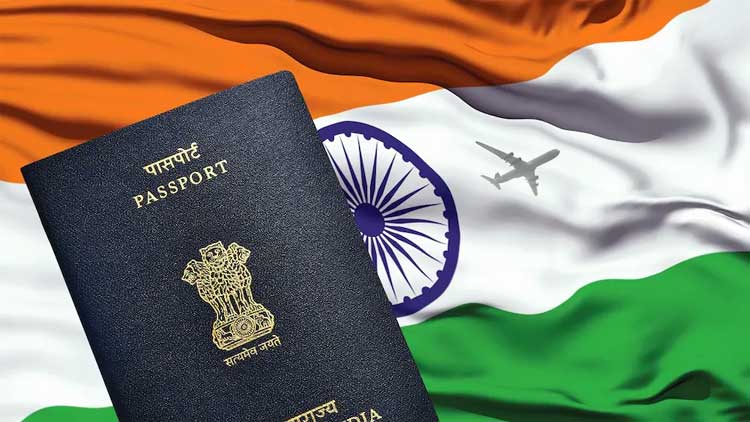
In 2025, Indian passport holders gained record access to international destinations, as more than 50 countries across Asia, Africa, Europe, Oceania, and Latin America introduced e-Visas or electronic travel authorisations (eTAs). This surge marks a major step toward digital-first travel, enabling smoother and faster cross-border journeys.
Atlys, a leading visa processing platform, has released its latest report highlighting this shift. According to its data, e-Visas now account for 82% of all visa applications in India—up from 79% in 2024.
The UAE, Vietnam, Indonesia, Hong Kong, and Egypt topped the list of most sought-after e-Visa destinations. Sri Lanka stood out with a nearly seven-fold jump in applications compared to 2024, while Georgia recorded a 2.6x rise, underscoring growing interest beyond traditional hubs. Atlys notes that these insights are based solely on its platform data and may not reflect government-wide figures.
Regional Highlights
-
Asia: Sri Lanka, Vietnam, Japan, South Korea, Singapore, and Indonesia now offer 14–90 day stays. Vietnam permits 30-day stays with e-Visas valid for 90 days.
-
Africa: Egypt, Kenya, Tanzania, Uganda, and Morocco extend stays from 30 to 90 days.
-
Europe: Albania, Moldova, and Russia have adopted streamlined online application systems.
-
Caribbean & Latin America: Cuba, Suriname, Colombia, and the Bahamas now provide full digital entry options.
-
Oceania: Australia and New Zealand continue to enhance access with improved e-Visas and eTAs.
Mohak Nahta, Founder and CEO of Atlys, said:
“Indian travellers increasingly value speed and certainty, and e-Visas deliver both. The ability to apply online and receive approvals quickly has made last-minute and short-haul trips far more feasible. Countries that have adopted digital visa systems are already seeing the benefits in terms of higher visitor numbers from India.”
The report underscores how the past decade has accelerated e-Visa adoption globally, as governments align with traveller expectations while boosting inbound tourism. For Indians, this digital shift means quicker approvals, more spontaneous trips, and a wider range of destinations within easy reach.
Comments are closed.