
Monsoon Health Risks for Pregnant Women: Infections to Watch Out For

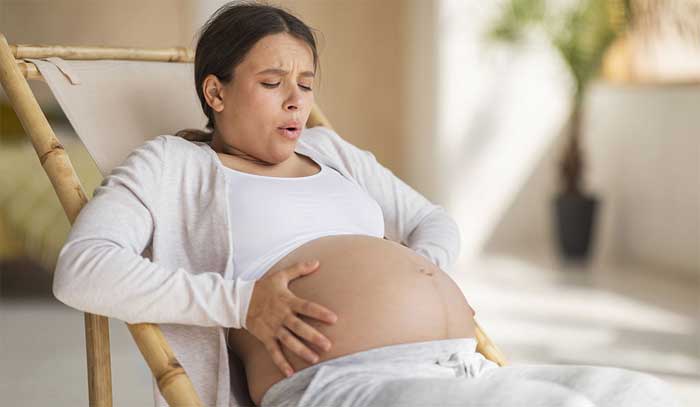
The monsoon brings relief from scorching heat, but it also raises the risk of infections. High humidity, water contamination, and mosquito breeding create conditions for diseases to spread. Pregnant women are particularly vulnerable due to changes in immunity and hormones, making even minor infections potentially serious for both mother and baby.
Health experts, including Dr Anjali Gupta, Consultant Obstetrics & Gynaecology at Motherhood Hospitals, warn that common monsoon-related infections—like dengue, gastroenteritis, urinary tract infections (UTIs), fungal infections, and listeriosis—can pose significant health risks if untreated. Timely medical care, however, can effectively manage these conditions.
Common Monsoon Infections During Pregnancy
1. Dengue
Transmitted by the Aedes aegypti mosquito, dengue is a leading cause of fever during pregnancy. Symptoms include high fever, body pain, nausea, rash, and severe headaches. Untreated dengue can lead to low platelet count, bleeding, or preterm labor. There’s no specific medicine, but doctor-supervised care, hydration, and rest are essential.
Prevention: Wear full-sleeved clothing, use mosquito repellents, sleep under mosquito nets, and eliminate stagnant water around the home.
2. Gastroenteritis
Caused by consuming contaminated food or water, gastroenteritis can result in vomiting, diarrhea, stomach cramps, and dehydration, potentially affecting the baby’s growth. Treatment involves oral rehydration, a light diet, and safe medications prescribed by a doctor.
Prevention: Drink boiled or filtered water, eat freshly prepared home-cooked meals, and avoid roadside food during monsoon.
3. Urinary Tract Infections (UTIs)
Hormonal changes and urinary tract pressure make pregnant women prone to UTIs, especially between weeks 6 and 24. Symptoms include burning during urination, frequent urination, and lower abdominal pain. Untreated UTIs can lead to kidney infections or preterm labor. Safe antibiotics can treat the infection, but self-medication must be avoided.
Prevention: Stay hydrated, maintain personal hygiene, avoid harsh soaps, never hold urine for long, and refrain from intercourse during active infection.
4. Fungal Infections
Humidity and moisture increase the risk of fungal infections, including vaginal yeast infections and skin fungal infections. Symptoms include redness, itching, and rashes, which can cause discomfort if untreated. Doctors may recommend antifungal creams or powders.
Prevention: Keep skin dry, wear loose cotton clothing, and change damp garments promptly. Proper hygiene is crucial.
5. Listeriosis
Caused by Listeria bacteria in unpasteurized dairy, raw sprouts, or undercooked meat, listeriosis can lead to miscarriage, stillbirth, or illness in newborns. Symptoms—fever, muscle aches, and stomach upset—may seem mild but require immediate medical attention. Antibiotics are necessary once diagnosed.
Prevention: Avoid unpasteurized milk, raw sprouts, street food, and undercooked meat. Wash vegetables and fruits thoroughly before consumption.
Bottom line: Pregnant women should be extra cautious during the monsoon. Preventive measures, good hygiene, and early medical care are key to protecting both mother and baby from monsoon-related infections.
Comments are closed.