
Urban Mobility Revolution: India’s Push for Sustainable Transport Systems

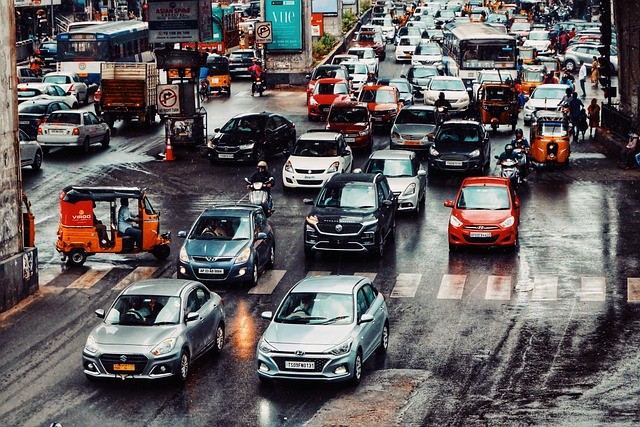
As India’s urban population surges toward 600 million by 2030, the demand for efficient, sustainable transport systems has never been greater. Cities like Delhi, Mumbai, and Bengaluru face crippling traffic congestion, air pollution, and rising carbon emissions, necessitating a revolution in urban mobility. Through initiatives like the Faster Adoption and Manufacturing of Electric Vehicles (FAME-III) scheme, metro expansions, and smart traffic systems, India is transforming its urban transport landscape to achieve sustainability, economic growth, and climate goals. This article explores India’s sustainable mobility initiatives, their socio-economic and environmental impacts, and the challenges of building a greener urban future as of August 1, 2025.
India’s Sustainable Mobility Landscape
India’s urban mobility revolution is driven by government policies, private-sector innovation, and global climate commitments, such as achieving net-zero emissions by 2070. These efforts align with national initiatives like Smart Cities Mission and Digital India.
Key Initiatives
-
FAME-III Scheme: Launched in 2024, FAME-III allocates ₹10,900 crore to subsidize electric vehicles (EVs), expand charging infrastructure, and promote domestic manufacturing, building on FAME-II’s success in boosting EV adoption.
-
Metro Rail Expansion: India’s metro network, spanning 900 km across 20 cities, is expanding rapidly, with projects like Delhi Metro Phase IV, Mumbai Metro Line 3, and Bengaluru’s Namma Metro Phase 3 enhancing connectivity.
-
Smart Traffic Systems: Cities like Bengaluru and Pune are deploying AI-based traffic management systems to optimize signals, reduce congestion, and lower emissions.
-
National Electric Mobility Mission Plan (NEMMP): This plan aims to deploy 400,000 EVs annually by 2030, supported by tax incentives and public-private partnerships.
-
Bike-Sharing and Last-Mile Connectivity: Initiatives like Yulu and Bounce in Bengaluru provide e-bikes for last-mile connectivity, reducing reliance on fossil-fuel vehicles.
Socio-Economic Benefits
Sustainable transport systems are reshaping India’s urban economies and improving quality of life.
1. Job Creation
-
EV Manufacturing: FAME-III has spurred growth in EV production, creating jobs in manufacturing, battery production, and charging infrastructure development.
-
Metro Projects: Construction and operation of metro systems employ thousands, from engineers to service staff, boosting urban economies.
-
Green Startups: Companies like Ola Electric and Ather Energy are generating employment in R&D and mobility services.
2. Economic Efficiency
-
Reduced Fuel Costs: EVs lower fuel expenses for individuals and fleet operators, freeing up disposable income.
-
Logistics Optimization: Quantum computing applications in logistics, such as airline scheduling and supply chain management, reduce costs and enhance efficiency.
-
Urban Productivity: Reduced congestion improves commuting times, boosting workplace productivity in cities like Mumbai and Delhi.
3. Rural-Urban Linkages
-
Sustainable transport extends to semi-urban areas, with e-rickshaws and electric buses improving connectivity and economic opportunities in tier-2 cities like Lucknow and Jaipur.
Environmental Impacts
India’s urban mobility revolution is a critical step toward achieving climate goals and reducing urban pollution.
1. Pollution Reduction
-
Air Quality Improvement: EVs and metro systems reduce vehicular emissions, addressing Delhi’s severe air pollution, where PM2.5 levels often exceed WHO standards.
-
Carbon Footprint: Metro expansions and EV adoption contribute to India’s goal of reducing emissions intensity by 45% by 2030.
2. Energy Independence
-
Investments in domestic battery production and renewable energy integration for EV charging reduce reliance on imported fossil fuels, aligning with Self-reliant India.
3. Climate Resilience
-
Quantum algorithms optimize urban transport systems, reducing greenhouse gas emissions through efficient routing and energy management.
Challenges in Sustainable Mobility
Despite progress, India’s mobility revolution faces hurdles:
-
Charging Infrastructure: Limited EV charging stations, especially in tier-2 cities, hinder widespread adoption.
-
High Costs: EVs remain expensive for middle-class consumers, despite subsidies, requiring further cost reductions.
-
Urban Congestion: Metro expansions face delays due to land acquisition and funding issues, exacerbating congestion in cities like Mumbai.
-
Public Awareness: Resistance to EVs and bike-sharing stems from lack of awareness and infrastructure familiarity.
-
Energy Grid Strain: Scaling EV adoption requires upgrading India’s power grid to support renewable energy integration.
Case Studies
-
Delhi Metro: With 400 km of operational lines, Delhi Metro serves 6 million passengers monthly, reducing 630,000 tons of CO2 emissions annually. Phase IV expansions will further enhance connectivity.
-
Mumbai’s EV Ecosystem: Mumbai’s BEST buses include 2,000 electric buses, supported by 1,500 charging stations, reducing emissions and fuel costs.
-
Bengaluru’s Smart Traffic: AI-based traffic systems have reduced congestion by 15% in key areas, improving air quality and commuting efficiency.
Policy Recommendations
To accelerate India’s sustainable mobility revolution:
-
Expand Charging Infrastructure: Deploy 500,000 charging stations by 2030, focusing on tier-2 cities and highways, with public-private partnerships.
-
Increase Subsidies: Extend FAME-III incentives to make EVs affordable for lower-income groups and promote e-rickshaws.
-
Fast-Track Metro Projects: Streamline land acquisition and funding for metro expansions to meet 2030 targets.
-
Public Awareness Campaigns: Launch nationwide campaigns to educate citizens on EV benefits and sustainable transport options.
-
Integrate Quantum Solutions: Leverage quantum computing for traffic optimization and EV battery design, collaborating with NQM initiatives.
Comments are closed.