
Reclaiming Heritage: The Economic and Cultural Impact of India’s Archaeological Revival

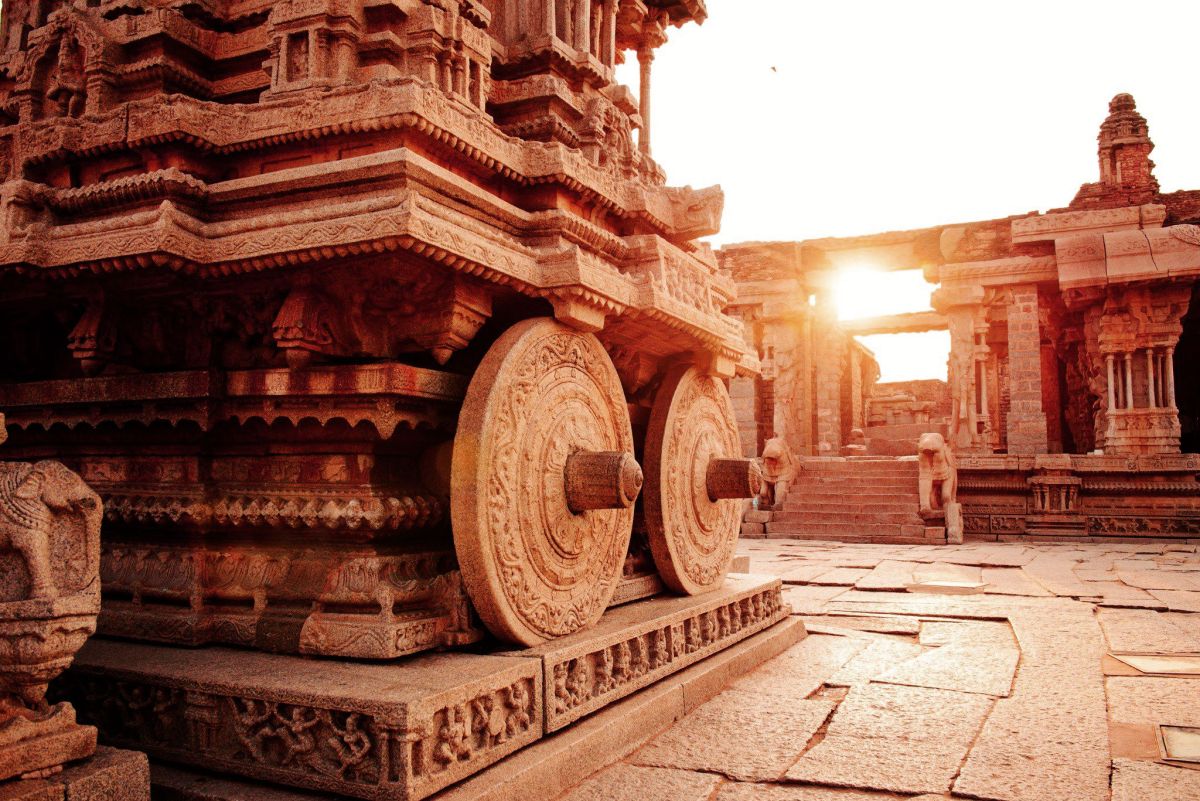
India, with its 5,000-year-old civilization, is a treasure trove of archaeological heritage, from the Indus Valley sites to medieval temples and Mughal monuments. In recent years, the Archaeological Survey of India (ASI) and government initiatives have revitalized efforts to excavate, restore, and promote these sites, positioning heritage tourism as a cornerstone of economic and cultural growth. Projects like the restoration of Hampi, excavations at Rakhigarhi, and the global promotion of UNESCO World Heritage Sites are driving job creation, boosting local economies, and strengthening national identity. This article explores India’s archaeological revival, its economic and cultural impacts, and the challenges of balancing preservation with progress as of August 1, 2025.
India’s Archaeological Renaissance
India’s archaeological efforts are spearheaded by the ASI, established in 1861, which oversees over 3,600 protected monuments and 44 UNESCO World Heritage Sites, including the Taj Mahal, Ajanta-Ellora, and Qutub Minar. Recent initiatives reflect a renewed focus on uncovering and preserving India’s past to fuel economic and cultural growth.
Key Initiatives
-
ASI Excavations and Restorations: The ASI is actively excavating sites like Rakhigarhi (Haryana), one of the largest Indus Valley Civilization sites, and restoring iconic monuments like Hampi and Konark Sun Temple. These efforts aim to uncover new historical insights and enhance tourist appeal.
-
Iconic Tourist Destinations Scheme: Launched by the Ministry of Tourism, this scheme promotes sites like the Taj Mahal, Khajuraho, and Dholavira as global tourism hubs, improving infrastructure and visitor experiences.
-
Adopt a Heritage Scheme: This public-private partnership encourages corporations to maintain and promote ASI sites, ensuring sustainable conservation and tourism development.
-
UNESCO World Heritage Nominations: India is pushing for new inscriptions, such as the Hoysala temples of Karnataka, to enhance global recognition and attract international tourists.
-
Digital Archaeology: Initiatives like 3D mapping and virtual tours of sites like Sarnath and Nalanda make heritage accessible globally, boosting cultural diplomacy.
Economic Impacts of Heritage Tourism
Heritage tourism is a significant economic driver, contributing to India’s GDP, creating jobs, and uplifting local communities. In 2024, tourism accounted for 6.8% of India’s GDP and supported over 40 million jobs, with heritage sites playing a central role.
1. Job Creation
-
Direct Employment: Sites like the Taj Mahal and Ellora Caves employ thousands in roles like guides, conservationists, and hospitality staff.
-
Indirect Employment: Local artisans, vendors, and transport services benefit from tourist influxes, particularly in rural areas like Hampi and Rakhigarhi.
-
Skill Development: Restoration projects train youth in archaeology, conservation, and tourism management, aligning with India’s Skill India initiative.
2. Rural Development
-
Excavations and tourism development in sites like Dholavira (Gujarat) and Rakhigarhi stimulate local economies by improving infrastructure, such as roads and hotels, and promoting handicrafts and local cuisine.
-
Community-based tourism models empower locals to manage homestays and cultural festivals, ensuring equitable economic benefits.
3. Foreign Exchange Earnings
-
Heritage sites attract millions of international tourists, contributing to India’s foreign exchange reserves. In 2024, India welcomed over 10 million foreign visitors, with sites like Agra and Jaipur being top draws.
4. Infrastructure Development
-
Investments in tourist facilities, such as visitor centers at Ajanta-Ellora and smart city integrations in Varanasi, enhance accessibility and economic activity.
Cultural Impacts of Archaeological Revival
Beyond economics, India’s archaeological efforts strengthen cultural identity and global influence.
1. Reinforcing National Identity
-
Sites like Rakhigarhi and Keezhadi (Tamil Nadu) provide evidence of India’s ancient civilizations, fostering pride and unity among diverse communities.
-
Restoration of temples like Somnath and Kashi Vishwanath reinforces cultural and spiritual heritage, resonating with India’s 1.4 billion population.
2. Global Cultural Diplomacy
-
UNESCO World Heritage Sites position India as a cultural superpower, attracting scholars, tourists, and international collaborations.
-
Exhibitions like the return of repatriated artifacts from the US and UK enhance India’s global cultural narrative.
3. Education and Awareness
-
Archaeological discoveries are integrated into school curricula, fostering appreciation for India’s history among youth.
-
Digital platforms and museums, like the National Museum in Delhi, make heritage accessible, promoting cultural literacy.
Challenges in Heritage Preservation
India’s archaeological revival faces significant obstacles:
-
Funding Constraints: Despite increased budgets, ASI’s resources are stretched across thousands of sites, limiting conservation efforts.
-
Environmental Threats: Climate change, pollution, and urbanization endanger sites like the Taj Mahal (air pollution) and coastal monuments (rising sea levels).
-
Tourism Pressure: Overcrowding at popular sites risks structural damage, as seen at Ellora and Khajuraho.
-
Encroachment and Vandalism: Unprotected sites face illegal construction and defacement, requiring stronger enforcement.
-
Skill Gaps: A shortage of trained archaeologists and conservators hinders restoration quality.
Case Studies
-
Rakhigarhi, Haryana: Excavations at this 5,000-year-old Indus Valley site have uncovered urban planning and artifacts, positioning it as a potential UNESCO site. Tourism development is boosting Haryana’s rural economy.
-
Hampi, Karnataka: Restoration of this Vijayanagara Empire capital, a UNESCO site, has created thousands of jobs and attracted global tourists, with eco-friendly initiatives ensuring sustainability.
-
Taj Mahal, Agra: The Iconic Tourist Destinations Scheme has enhanced visitor facilities, contributing to Agra’s economy while addressing conservation challenges like marble discoloration.
Policy Recommendations
To maximize the impact of India’s archaeological revival:
-
Increase Funding: Allocate higher budgets to ASI and incentivize private investment through tax benefits under the Adopt a Heritage scheme.
-
Sustainable Tourism Models: Implement carrying capacity limits and eco-friendly practices at sites to balance tourism with preservation.
-
Skill Development: Expand training programs in archaeology and conservation, partnering with universities and international experts.
-
Digital Promotion: Enhance virtual tours and global marketing to attract international tourists and scholars.
-
Community Engagement: Empower local communities to manage tourism, ensuring equitable economic benefits and cultural preservation.
India’s archaeological revival is a powerful catalyst for economic growth and cultural rejuvenation. By preserving and promoting its rich heritage, India is not only unlocking economic opportunities through tourism and job creation but also reinforcing its cultural identity and global influence. Sites like Rakhigarhi, Hampi, and the Taj Mahal symbolize India’s timeless legacy, while initiatives like the ASI’s excavations and UNESCO nominations position the country as a cultural superpower. By addressing challenges like funding and environmental threats, India can ensure that its archaeological heritage drives sustainable development, aligning with national goals like Make in India and Digital India. Reclaiming heritage is not just about preserving the past—it’s about building a prosperous and culturally vibrant future.
Comments are closed.