
Honolulu’s Lawsuit Against Big Oil Takes Center Stage in Climate Change Legal Fight

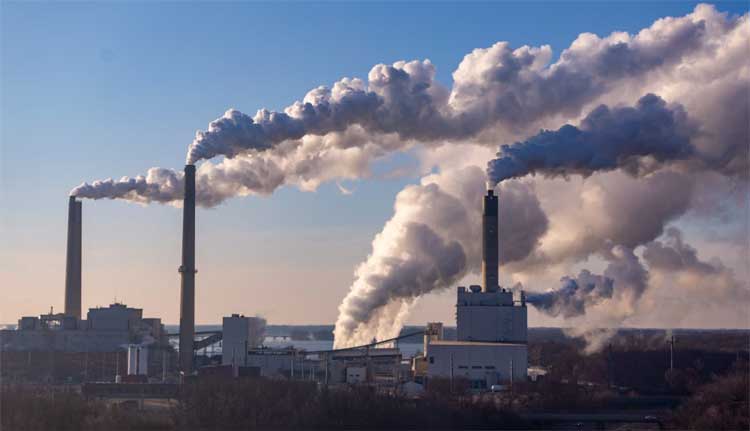
Honolulu’s landmark lawsuit against major fossil fuel companies, including ExxonMobil, Shell, Chevron, ConocoPhillips, and others, is advancing further than similar cases across the U.S., with a pivotal court hearing set for Tuesday. The case seeks to hold the companies accountable for decades of climate change-related damages caused by greenhouse gas emissions from fossil fuels.
Filed in 2020, the lawsuit alleges that oil giants knew for nearly 50 years that burning fossil fuels contributed to climate change, yet deliberately misled the public while continuing to profit. The suit blames them for the rising sea levels threatening Oahu’s iconic coastline and warns of escalating hurricanes, marine heatwaves, and coral reef destruction.
The upcoming hearing in Hawaii state court will address a motion from the defense to dismiss the case, arguing that Honolulu’s claims fall outside the state’s two-year statute of limitations. The defense contends that the dangers of climate change have been public knowledge for decades, citing extensive scientific and media documentation.
Shell stated, “The suggestion that the plaintiffs were somehow unaware of climate change is simply not credible,” referencing the vast public record on the topic spanning more than 50 years.
Despite being far from trial, Honolulu’s case is considered a frontrunner among over 30 similar lawsuits filed nationwide by various states and municipalities. Experts say this hearing could provide key insights into how courts may handle such climate accountability efforts moving forward.
Michael Gerrard, director of Columbia University’s Sabin Center for Climate Change Law, emphasized the case’s significance: “The first trial in any of these lawsuits will be a landmark moment—drawing national and even global attention.”
The lawsuit’s momentum stems in part from earlier rulings: the Hawaii Supreme Court denied dismissal motions, and the U.S. Supreme Court declined to intervene. Meanwhile, similar cases from Maui County and the state of Hawaii are also pending, though the latter is facing a challenge from the U.S. Department of Justice, which argues that such lawsuits may interfere with federal authority over energy policy.
Hawaii’s attorney general recently moved to block the DOJ’s intervention, warning it would set a dangerous precedent for federal overreach in state-level litigation.
The case has attracted support from prominent voices, including Harvard professor Naomi Oreskes, who likened the fossil fuel industry’s tactics to those of the tobacco industry in sowing public doubt and delaying action on known harms.
As the legal battle unfolds, it may set a precedent for how American courts handle climate accountability—and whether major polluters will be compelled to face trial for their role in the global climate crisis.
Comments are closed.