
Conversion Racket Accused Seeks Return to Hinduism: Implications for India’s Anti-Conversion Laws

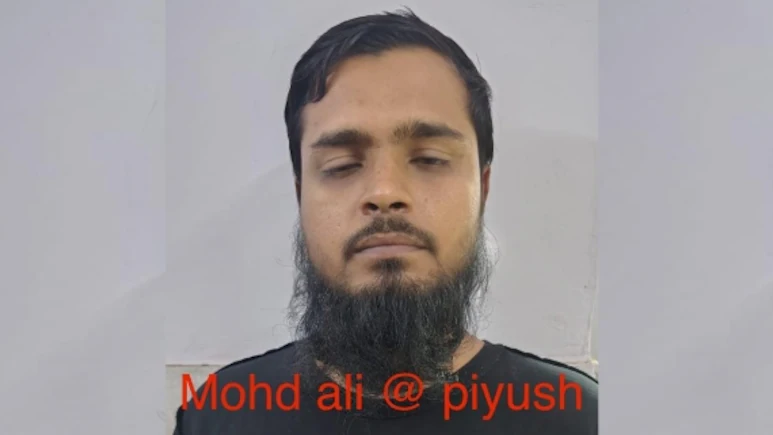
accused member of an alleged religious conversion racket in Uttar Pradesh (UP), identified as Abdul Rehman, has expressed a desire to return to Hinduism after converting to Islam in 2014–2015. Rehman was among 10 individuals arrested by the UP Police on July 19, 2025, in a multi-state crackdown on a syndicate accused of illegal religious conversions and radicalization, as reported by The Hindu and India TV. The case, part of UP’s “Mission Asmita” initiative, uncovered links to foreign funding and organizations like the Popular Front of India (PFI) and Social Democratic Party of India (SDPI). Rehman’s intent to revert to Hinduism, reported after his arrest in Dehradun, raises complex questions about India’s anti-conversion laws, the nature of religious identity, and the enforcement of national security measures. This article explores the case, its legal and social implications, and the broader context of conversion rackets in India.
Background of the Case
The UP Police’s Anti-Terrorism Squad (ATS) and Special Task Force (STF) arrested 10 individuals from six states—Uttar Pradesh, Rajasthan, West Bengal, Uttarakhand, Delhi, and Goa—following an investigation into the disappearance of two sisters (aged 18 and 33) from Agra in March 2025. The probe, detailed by The Indian Express and Times of India, revealed a sophisticated network engaged in “love jihad,” radicalization, and illegal conversions, with funding traced to Canada, the USA, Dubai, and London, often routed through the dark web. The accused, including Rehman, were charged under the Indian Penal Code and the Uttar Pradesh Prohibition of Unlawful Religious Conversion Act, 2021, for allegedly luring young women, particularly minors, into conversions through deceit, coercion, and financial incentives.
Rehman, detained in Sahaspur, Dehradun, and formally arrested in Agra, was identified as a former Hindu who converted to Islam between 2014 and 2015. His arrest followed information shared by UP ATS with Dehradun police, which also led to tracing a woman in Ranipokhari whose father, Rajkumar Bajaj, alleged she was pressured to convert. A case was filed under the Uttarakhand Freedom of Religion Act against five accused, including Rehman. His reported desire to return to Hinduism, as noted by @News13_in, has sparked significant attention, particularly in the context of India’s stringent anti-conversion laws and the controversial “ghar wapsi” (homecoming) campaigns aimed at reconverting individuals to Hinduism.
Legal Framework: Anti-Conversion Laws in India
India’s anti-conversion laws, enacted in 11 states including Uttar Pradesh, aim to curb forced or fraudulent religious conversions, particularly targeting missionary religions like Christianity and Islam. The Uttar Pradesh Prohibition of Unlawful Religious Conversion Act, 2021, under which Rehman and others were charged, prohibits conversions through misrepresentation, force, undue influence, coercion, allurement, or fraudulent means. It imposes penalties of up to seven years’ imprisonment and fines, with enhanced punishments (up to life imprisonment) for conversions involving minors, women, or Scheduled Castes/Tribes, as amended in 2025 (LiveMint). The law requires prior permission for conversions and allows family members or authorities to challenge them.
The Supreme Court of India, in a 2022 hearing on a petition by BJP leader Ashwini Kumar Upadhyay, emphasized that forced conversions are a “very serious issue” threatening national security, but clarified that voluntary conversions are permissible (ETV Bharat). However, “re-conversion” to Hinduism, often promoted through “ghar wapsi” campaigns by Hindu nationalist groups like Vishva Hindu Parishad (VHP) and Shiv Sena, is not considered conversion under these laws, creating an asymmetry that critics argue favors Hindu majoritarianism (Asia Pacific). Rehman’s case, where an accused seeks to return to Hinduism, tests this legal framework, raising questions about the legitimacy of his initial conversion and the implications of his reconversion.
Rehman’s Case and “Ghar Wapsi”
Rehman’s expressed intent to return to Hinduism, reported by News13_in, aligns with the “ghar wapsi” narrative, which portrays Hinduism as the “original” faith of Indians, particularly for those converted to Islam or Christianity. This narrative, supported by groups like the Global Hindu Heritage Foundation, views reconversions as a return to cultural roots (Asia Pacific). However, Rehman’s case is complicated by his alleged role in a conversion racket. According to India TV, he was involved in facilitating conversions, providing safe houses, and distributing illicit funds, activities deemed “anti-national” by UP Chief Minister Yogi Adityanath (The Hindu). His desire to revert may be interpreted as:
-
Genuine Repentance: Rehman may seek to realign with his original faith, possibly influenced by legal pressures or personal reflection.
-
Legal Strategy: Expressing intent to return to Hinduism could be an attempt to mitigate legal consequences, given the favorable treatment of “ghar wapsi” under anti-conversion laws.
-
Coercion Concerns: Critics may argue that his reconversion is coerced, reflecting the pressure of incarceration or societal backlash, similar to allegations against conversion rackets.
The case echoes a 2009 incident in Malaysia, where an ethnic Indian woman, converted to Islam as a child, fought to be recognized as Hindu, highlighting the global complexity of religious identity disputes (Times of India, 2009).
Broader Context: Conversion Rackets in India
The UP crackdown is part of a broader wave of enforcement against alleged conversion rackets. Recent cases include:
-
Chhangur Baba Case (2025): Jamaluddin alias Chhangur Baba was arrested for allegedly converting 5,000 individuals, primarily women, to Islam through coercion and foreign funding. Women who reverted to Hinduism reported threats, underscoring the contentious nature of reconversions (LiveMint).
-
Meerut Christian Racket (2024): A pastor named Bijju was detained for luring Hindus with promises of money and miracles, targeting vulnerable women and children (Organiser).
-
Bhopal Love Trap (2025): The National Human Rights Commission flagged police lapses in a case involving rape and forced conversions, highlighting systemic issues (New Indian Express).
These cases reflect rising concerns about “love jihad,” a term used by Hindu nationalist groups to allege that Muslim men target Hindu women for conversion through relationships. The Allahabad High Court’s 2024 warning that unchecked conversions could alter India’s demographic majority further fuels these debates (Stop Hindu Dvesha). However, a 2021 Pew Research Center report found minimal net conversion impact on India’s religious demographics, with 82% of Indians raised and remaining Hindu, suggesting that conversion fears may be exaggerated (Pew Research).
Economic and Social Implications
-
Economic: The crackdown on conversion rackets, tied to foreign funding from Canada, Dubai, and London, highlights vulnerabilities in India’s financial systems, echoing the Pulwama case where terrorists used e-commerce platforms (The Economic Times). Robust regulations could protect India’s $10 trillion digital economy goal.
-
Social: Rehman’s case and “ghar wapsi” campaigns risk escalating communal tensions, as seen in Karnataka’s 2025 protests over Palestinian flags (Times of India). Public sentiment on X, like @News13_in’s post, reflects polarized views, with some praising the reconversion as a victory for Hinduism and others questioning its voluntariness.
-
National Security: The UP Police’s “Mission Asmita” links conversions to radicalization and foreign funding, framing them as anti-national. The US terror tag on The Resistance Front (TRF) supports India’s narrative of transnational terror networks, which may extend to funding conversion rackets (News18).
Challenges and Criticisms
-
Legal Asymmetry: Anti-conversion laws’ exemption of “ghar wapsi” raises concerns about bias, as noted by Asia Pacific. Rehman’s reconversion may face less scrutiny than his initial conversion, potentially undermining equal treatment.
-
Coercion Allegations: The Supreme Court’s stance against forced conversions applies to all faiths, but Rehman’s intent, expressed in custody, may face scrutiny for coercion (ETV Bharat).
-
Data Privacy: Leaking accused individuals’ details to media, as seen in the Umar Gautam case, risks prejudicing trials and violating privacy (Newslaundry).
-
International Links: Foreign funding and PFI/SDPI connections complicate enforcement, requiring coordination with global bodies like FATF.
The Path Forward
-
Fair Legal Process: Ensure Rehman’s reconversion is voluntary, with transparent investigations to avoid perceptions of coercion or political motives.
-
Strengthen Regulations: Enhance KYC and financial tracking to curb foreign funding, as recommended post-Pulwama (The Economic Times).
-
Public Awareness: Educate communities about anti-conversion laws to reduce communal tensions, leveraging schools and media.
-
International Cooperation: Work with FATF and Interpol to trace transnational funding, building on the US TRF designation.
Comments are closed.