
Syria Faces Israeli Airstrikes Amid Escalating Regional Tensions

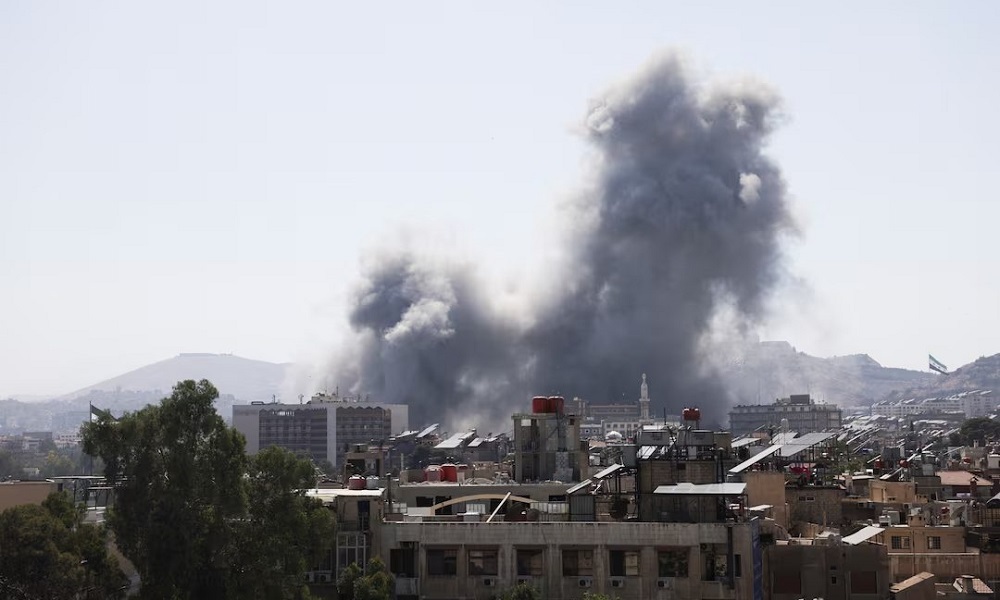
Syria reported a series of Israeli airstrikes targeting military installations near Damascus, escalating tensions in an already volatile region. The strikes, confirmed by Syrian state media, are part of a pattern of Israeli military actions aimed at curbing Iranian influence and weapons transfers in Syria. This latest escalation has raised concerns about broader regional instability, with implications for global powers closely monitoring the Middle East.
Details of the Airstrikes
According to reports, the Israeli airstrikes targeted multiple sites, including a weapons depot and a military research facility, in the early hours of July 17. Syrian air defenses were activated, intercepting several missiles, though some strikes caused significant damage to infrastructure. No official casualty figures have been released, but local sources indicate civilian areas near the targets were affected, prompting fears of collateral damage.
The Israeli Defense Forces (IDF) have not officially commented, consistent with their policy of ambiguity on such operations. However, analysts suggest the strikes aim to disrupt Iran-backed militia activities and prevent the transfer of advanced weaponry to Hezbollah in Lebanon. The timing coincides with heightened diplomatic tensions, as global powers negotiate regional security frameworks.
Regional and Global Implications
The airstrikes occur against a backdrop of fragile regional dynamics. Syria, still recovering from years of civil war, faces challenges in asserting sovereignty while hosting foreign actors, including Russian and Iranian forces. The Israeli actions risk provoking retaliatory moves from Iran or its proxies, potentially destabilizing Lebanon and Iraq.
Globally, the strikes have drawn attention from the US, Russia, and the EU. The US, under President Donald Trump’s administration, has reiterated support for Israel’s right to self-defense but urged restraint to avoid broader conflict. Russia, a key ally of Syria, condemned the strikes as a violation of international law, calling for UN intervention. The EU, meanwhile, emphasized the need for de-escalation and humanitarian protections for civilians.
Challenges and Future Outlook
The recurring Israeli airstrikes highlight the complexity of achieving stability in the Middle East. Syria’s weakened state capacity limits its ability to respond effectively, while Israel’s strategic concerns about Iran’s regional influence drive its military actions. The international community faces the challenge of balancing support for sovereignty with security concerns, all while preventing a wider conflict.
Moving forward, diplomatic efforts will be critical. Proposals for a UN-mediated dialogue to address cross-border tensions have gained traction, though past attempts have yielded limited success. The humanitarian impact, including potential displacement from affected areas, remains a pressing concern.
The Israeli airstrikes on Syria on July 17, 2025, underscore the persistent volatility in the Middle East. As regional and global powers navigate this latest escalation, the focus must remain on preventing further civilian harm and fostering dialogue to address underlying tensions. Without concerted efforts, the cycle of strikes and counter-responses risks plunging the region into deeper instability.
Comments are closed.