
World Bank Data Reveals 44.7% of Pakistan Living in Poverty as Neighbors Show Progress

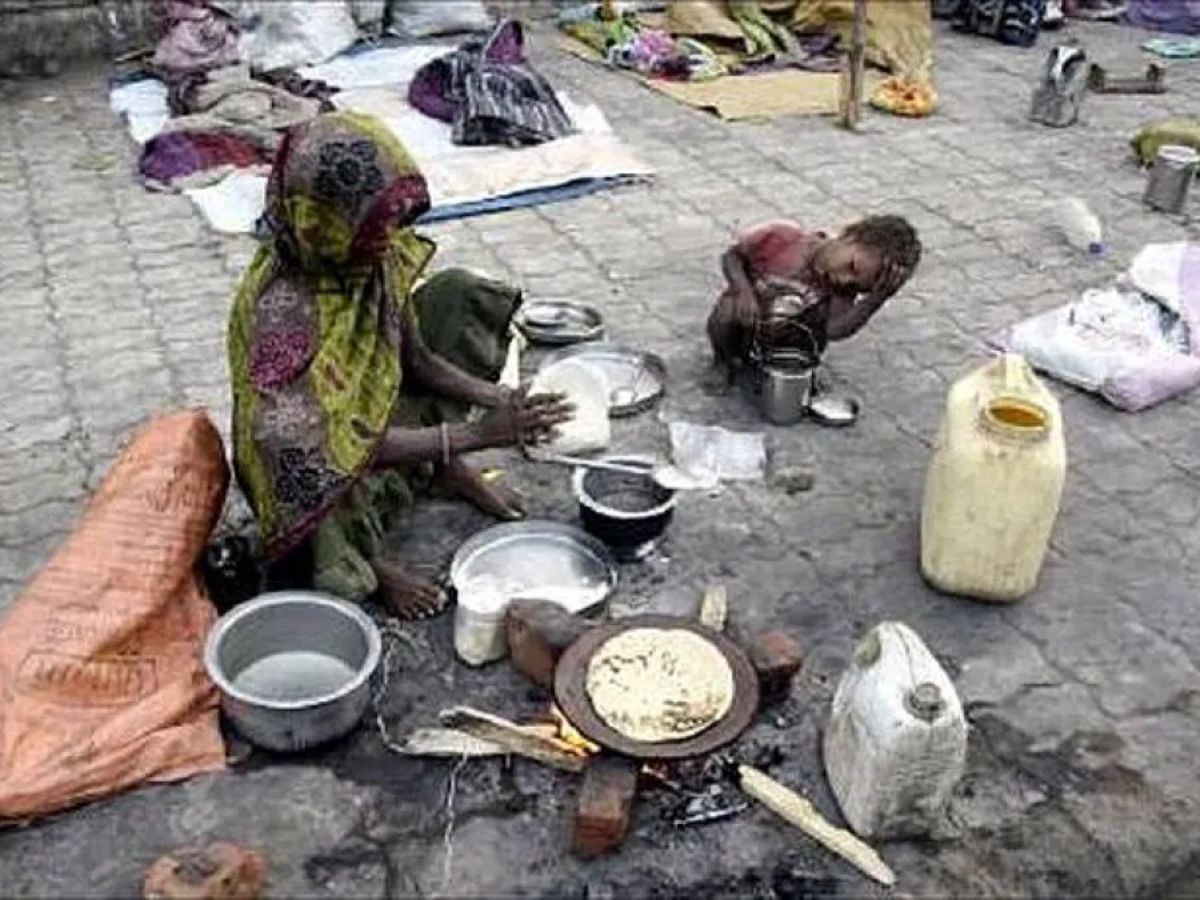
According to the latest World Bank estimates, 44.7% of Pakistan’s population now lives below the poverty line, marking a significant setback for the country amid the relative economic progress of its South Asian neighbors. The data highlights deepening economic distress in Pakistan, driven by persistent inflation, political instability, and reduced fiscal space.
Stark Contrast with Neighbors
While Pakistan struggles to reduce poverty, neighboring countries such as India, Bangladesh, and Sri Lanka have shown steady improvement in key development indicators.
-
In India, the poverty headcount ratio fell below 10% according to recent official estimates.
-
Bangladesh has kept its poverty rate under 18% due to sustained growth in exports and robust social safety programs.
-
Sri Lanka, despite facing an economic crisis in 2022, has stabilized and gradually improved household-level consumption indicators.
The gap between Pakistan and its regional peers is now wider than it has been in over two decades, with significant implications for regional inequality and development priorities.
Reasons Behind the Surge in Poverty
The report attributes Pakistan’s worsening poverty levels to a combination of factors:
-
High food and energy prices, exacerbated by currency depreciation.
-
Low economic growth, with GDP growth stagnating below 2% for two consecutive years.
-
Cuts to public development programs, particularly in education, health, and infrastructure.
-
Natural disasters like the 2022 floods, which displaced millions and damaged livelihoods in rural areas.
The World Bank noted that many households have slipped back into poverty after temporarily escaping it during previous years of economic stability.
Youth and Rural Communities Worst Affected
The data highlights that poverty in Pakistan is concentrated heavily in rural areas, where basic services like clean water, electricity, and education are either limited or declining in quality. Young people and women remain disproportionately affected, with limited access to employment opportunities and social protection mechanisms.
Social Safety Programs Inadequate
Though the government runs programs like Benazir Income Support Programme (BISP), the report suggests they are underfunded and poorly targeted given the scale of need. Coverage gaps and inefficient delivery mechanisms continue to undermine their impact on poverty alleviation.
Outlook and Recommendations
The World Bank recommends:
-
Strengthening social protection systems to reach vulnerable populations more effectively.
-
Increasing investment in human capital, particularly in primary education and healthcare.
-
Pursuing fiscal and governance reforms to unlock donor support and improve service delivery.
-
Enhancing resilience to climate and disaster shocks, given the country’s vulnerability to floods and droughts.
Unless immediate structural reforms are implemented, the poverty rate in Pakistan could remain stubbornly high in the years ahead, reversing decades of developmental gains.
Pakistan now faces the dual challenge of stabilizing its economy and restoring public confidence in the government’s ability to address the basic needs of its people.
Comments are closed.