Jaishankar Flags India’s Concerns Over U.S. Bill Proposing Harsh Tariffs on Russian Oil Imports

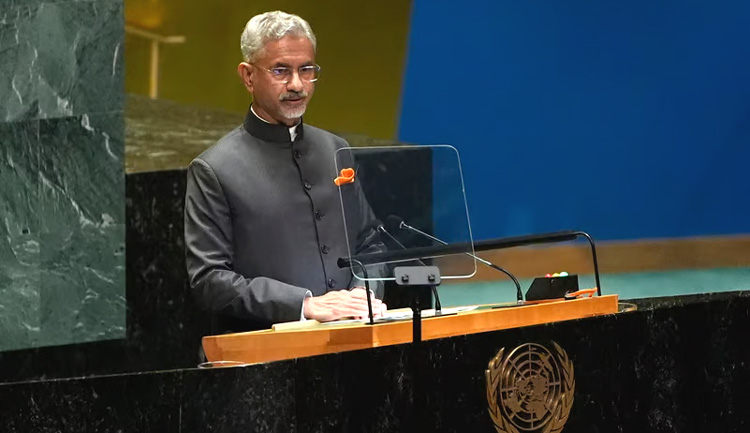
External Affairs Minister S. Jaishankar said on Wednesday that India has conveyed its concerns to U.S. Senator Lindsey Graham regarding a proposed bill that could impose punitive tariffs—potentially as high as 500%—on countries importing oil from Russia, a move that could significantly impact India.
Speaking at a press conference in Washington, Jaishankar addressed the controversial legislation that targets nations continuing trade ties with Russia amid the ongoing war in Ukraine.
“Any development happening in the U.S. Congress that could affect India’s interests naturally draws our attention,” Jaishankar said. “We’ve been in touch with Senator Graham. The embassy and ambassador have both engaged with him directly.”
He added that India had clearly communicated its “concerns and interests on energy security,” noting, “We’ll have to cross that bridge when we come to it—if we come to it.”
What the Proposed U.S. Bill Entails
The bill, introduced by Senator Lindsey Graham, seeks to apply what he termed “bone-breaking sanctions” on Russia and its trading partners unless Moscow agrees to enter peace talks or refrains from further aggression against Ukraine. The legislation proposes punitive tariffs—up to 500%—on countries that continue to buy Russian energy and other resources.
Though the bill allows for exemptions for countries aiding Ukraine’s defense, the proposed penalties would still hit key importers like India and China. Graham claims the bill already has backing from over 80 co-sponsors in the 100-member U.S. Senate—enough to override a presidential veto if necessary.
According to reports, Republican lawmakers are holding off on pushing the bill forward until they secure a green light from former President Donald Trump, who is expected to play a decisive role in shaping future U.S. policy on Ukraine and sanctions.
India’s Position on Russian Oil
Since the start of the Russia-Ukraine conflict, India has significantly increased its imports of discounted Russian oil, citing national interest and energy security. New Delhi has consistently defended its position, arguing that its energy choices are driven by affordability and strategic autonomy, not geopolitical alignments.
Despite mounting pressure from Western nations, India has refused to join the sanctions regime against Moscow, instead maintaining diplomatic ties with both Russia and Ukraine while advocating for dialogue and de-escalation.
The latest U.S. proposal has now added a new layer of complexity to India-U.S. relations, especially as the two nations deepen strategic and defense cooperation in the Indo-Pacific.
Comments are closed.