
Tanning Removal: Causes, Remedies, and Dermatologist-Approved Treatments for Restoring Natural Skin Tone

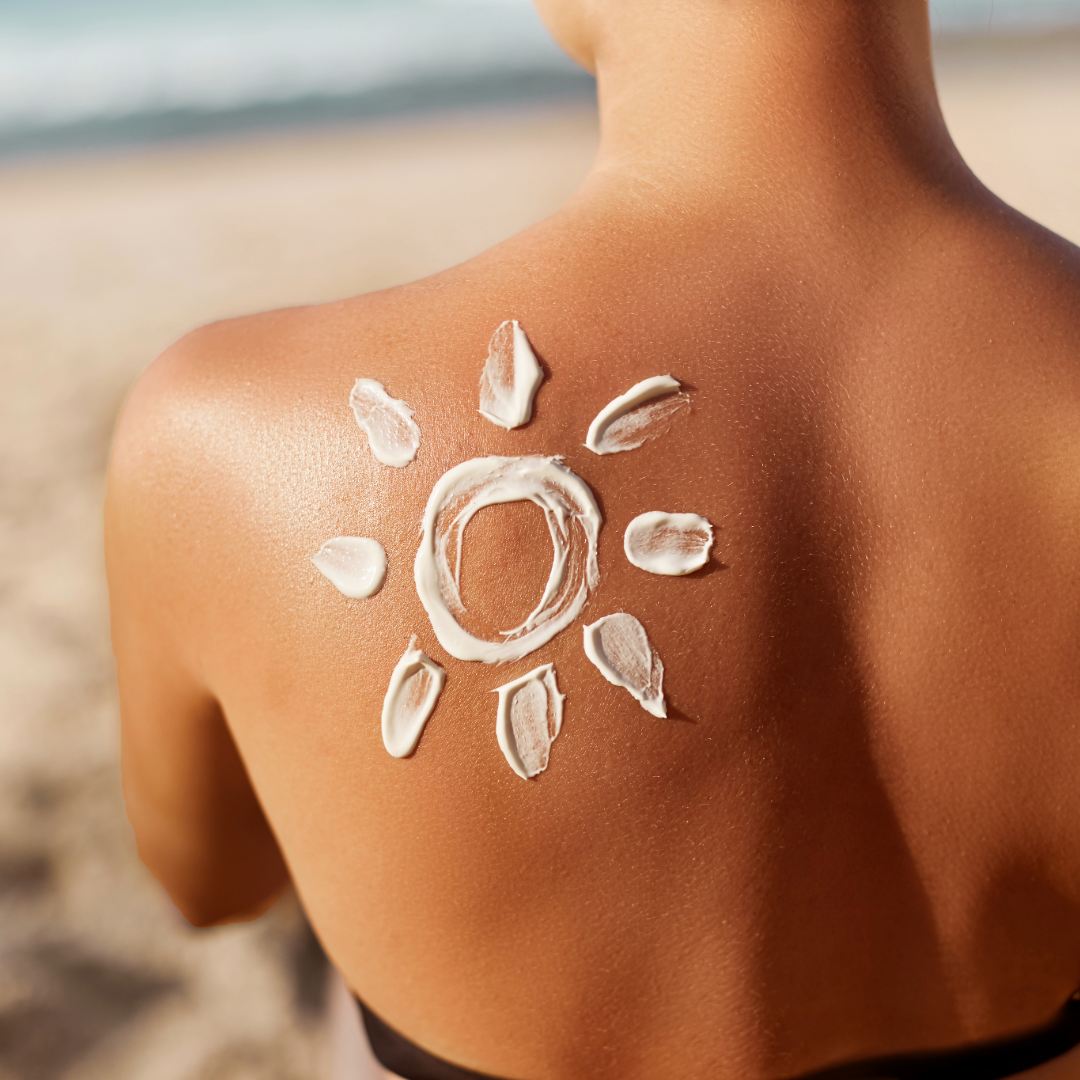
Tanning is the skin’s natural defense mechanism against harmful ultraviolet (UV) rays from the sun. When exposed to sunlight, the skin produces more melanin—the pigment responsible for skin color—to protect itself from DNA damage. This increase in melanin leads to the darkening of the skin, commonly referred to as a tan.
While some may embrace a sun-kissed glow, excessive tanning can result in uneven skin tone, hyperpigmentation, sunburn, premature aging, and in extreme cases, even skin cancer. Fortunately, with the right knowledge and care, tanning is reversible.
Types of Tanning
-
Sun-Induced Tanning: Caused by prolonged exposure to UVA and UVB rays.
-
Artificial Tanning: Results from the use of tanning beds or products containing DHA (dihydroxyacetone).
-
Post-Inflammatory Tanning: Darkening after acne or skin injury due to increased melanin activity.
Top Tanning Removal Methods
1. Natural Home Remedies
These remedies can help reduce mild to moderate tanning and are generally safe for all skin types:
-
Lemon Juice and Honey: Lemon’s citric acid exfoliates, and honey soothes. Apply and leave for 15 minutes.
-
Curd and Gram Flour (Besan): A paste of curd, besan, and a pinch of turmeric works as a mild exfoliant.
-
Aloe Vera Gel: Fresh aloe soothes inflamed skin and reduces pigmentation.
-
Tomato Pulp: Rich in antioxidants and lycopene; helps in de-tanning.
-
Potato Juice: Natural bleach that can lighten tanned skin with regular use.
Note: Always patch-test natural ingredients to avoid allergic reactions, especially for sensitive skin.
2. Over-the-Counter Products
Dermatologist-recommended de-tanning products contain active ingredients like:
-
Lactic Acid & Glycolic Acid: Alpha-hydroxy acids (AHAs) that gently exfoliate and brighten skin.
-
Niacinamide: Reduces pigmentation and supports skin barrier repair.
-
Vitamin C: An antioxidant that helps in skin lightening and collagen production.
-
Retinoids (Retinol or Retinoic Acid): Accelerates cell turnover, useful for deeper tanning.
These products may cause dryness or peeling initially—start slow and follow with sunscreen.
3. Dermatological Treatments
For deeper, stubborn tan lines or hyperpigmentation:
-
Chemical Peels: Uses salicylic, lactic, or glycolic acid to peel off the top pigmented layer.
-
Microdermabrasion: Mechanical exfoliation that removes the dead skin layer to reveal newer, even-toned skin.
-
Laser Skin Rejuvenation: Laser beams target melanin clusters and break down pigmentation.
-
Intense Pulsed Light (IPL) Therapy: Treats sun damage and stimulates collagen growth.
These treatments must be performed by certified dermatologists after a thorough skin assessment.
Sun Protection Is Key
To prevent further tanning and protect skin health:
-
Use Broad-Spectrum Sunscreen: SPF 30 or higher, reapply every 2–3 hours outdoors.
-
Wear Protective Clothing: Full-sleeved shirts, hats, sunglasses.
-
Avoid Sun Exposure: Especially between 10 AM and 4 PM, when UV rays are strongest.
Myths About Tanning Removal
-
“Scrubbing hard removes tan faster” – Over-exfoliation damages the skin barrier and causes more pigmentation.
-
“Fairness creams remove tan” – Most contain bleaching agents or steroids and can be harmful.
-
“Tanning is permanent” – While it may take time, regular care can restore natural skin tone in most cases.
How Long Does It Take to Remove a Tan?
-
Mild Tan: 1–2 weeks with home care and sun protection.
-
Moderate Tan: 3–4 weeks with OTC products and exfoliation.
-
Severe Tan or Hyperpigmentation: May take 2–3 months or longer and could require clinical treatments.
Tanning is a natural yet reversible skin response. Removing it safely requires a mix of consistent skincare, sun protection, and, in some cases, professional treatments. Before trying aggressive solutions, it’s essential to understand your skin type and choose methods that support healing rather than harm.
Comments are closed.