
The Silent Architect of Power: Noshir Gowadia and the B-2 Spirit’s Legacy

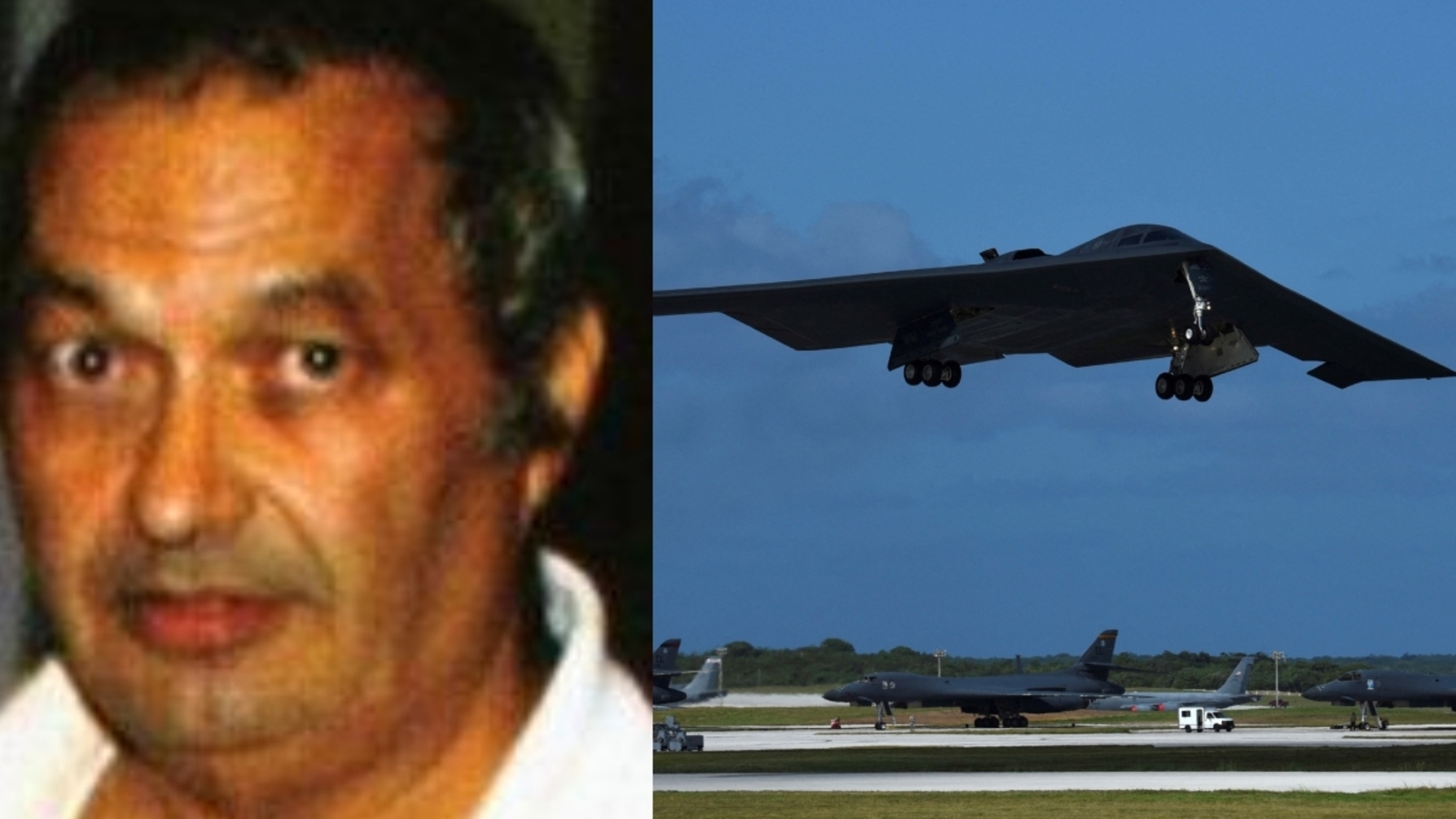
On a quiet June night in 2025, the world witnessed the quiet assertion of unmatched technological prowess. Seven B-2 Spirit bombers—stealth incarnate—lifted off from Whiteman Air Force Base in Missouri, gliding across continents like phantoms cloaked in radar silence. For 37 unbroken hours, they flew halfway around the globe, undetected and unchallenged, to deliver surgical strikes on Iran’s deeply buried nuclear bunkers—sites impervious to conventional aerial assault. No sirens, no warnings—just precise devastation, executed with chilling calm.
And at the heart of this feat was not a general, nor a politician, but a name many outside defense circles scarcely recognize: Noshir Gowadia, a silver-haired engineer from Mumbai, the man who helped make the B-2 invisible.
Who Was Noshir Gowadia?
Born in India and later emigrating to the United States, Noshir Sheriarji Gowadia became one of the principal minds behind the stealth propulsion system of the B-2 Spirit, America’s most advanced long-range bomber. A mechanical engineer by training, Gowadia worked at Northrop (later Northrop Grumman), the prime contractor for the B-2 program.
His contributions were pivotal. While stealth involves radar-absorbent materials and shape engineering, thermal signature suppression—minimizing how infrared sensors detect engine heat—is equally critical. Gowadia’s innovations allowed the B-2 to not only evade radar but also to remain invisible to heat-seeking missiles and infrared tracking, a feature that enabled it to fly directly into the heart of some of the world’s most fortified zones—undetected.
The Night of Shadows: June 2025
That historic night, the B-2’s capabilities were no longer theoretical. Flying from the heartland of the U.S. to the heart of the Middle East, these aircraft demonstrated an unparalleled blend of:
-
Global reach
-
Pinpoint accuracy
-
Complete stealth
The targets? Nuclear facilities buried deep under Iranian mountains—previously considered invulnerable even to bunker-buster missiles unless delivered with total precision.
The mission’s success was a strategic masterstroke, achieved without a single drone swarm or fighter escort. In that silence, American air dominance was reaffirmed—not through noise or brute force, but through the legacy of engineering brilliance.
A Complicated Legacy
Gowadia’s genius, however, is not without shadow. In 2010, he was convicted in the U.S. for espionage—selling classified information to foreign governments including China. Sentenced to 32 years in prison, his fall was as dramatic as his rise. To many, it was a story of brilliance undone by hubris.
Yet, the technology he helped pioneer continues to shape global military dynamics, decades after its creation. The B-2 Spirit remains an apex predator of the skies, and in 2025, it was still irreplaceable for missions where precision, stealth, and endurance are non-negotiable.
On that June night, power didn’t roar—it whispered. And in that whisper echoed the work of a man born far from the deserts he would one day help shape through machines of mythic capability. Noshir Gowadia, for better or worse, helped script a chapter of modern air warfare that continues to echo across geographies and generations.
Comments are closed.