
Modi’s G7 Visit to Canada: A Diplomatic Crossroads for India-Canada Relations

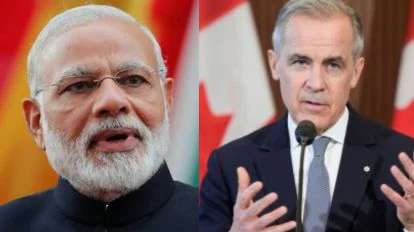
As Prime Minister Narendra Modi gears up to attend the G7 Summit outreach sessions in Kananaskis, Alberta, from June 15–17, 2025, the global spotlight is not only on the summit’s agenda—trade, technology, and climate—but also on the delicate and tense state of India-Canada diplomatic relations.
Modi’s presence in Canada, the host nation this year, is not just a ceremonial visit to a multilateral forum—it holds profound implications for Bharat’s fragile bilateral ties with Canada, which have been under severe strain since 2023, when relations nosedived over contentious political and security issues.
A Relationship in Turmoil
The deterioration of India-Canada relations was triggered by Canadian Prime Minister Justin Trudeau’s remarks in 2023, alleging India’s involvement in the killing of a Canadian Sikh separatist. India dismissed the claims as “absurd and motivated,” leading to reciprocal expulsions of diplomats, a breakdown in trade talks, and a freezing of high-level engagement.
Tensions were further inflamed by the Khalistani issue, with New Delhi consistently raising concerns about pro-Khalistan extremism being allowed to flourish on Canadian soil, posing direct threats to Indian sovereignty and diaspora harmony.
The Significance of the G7 Summit
The 2025 G7 Summit in Kananaskis is themed around “Inclusive Growth in a Divided World,” and includes outreach sessions with key non-G7 nations like India. PM Modi’s participation is significant not just for advancing India’s strategic goals on global trade, digital governance, and climate sustainability—but also for potentially thawing the ice with Canada.
Behind the scenes, diplomatic corridors are abuzz with speculation: Will Modi and Trudeau meet on the sidelines? While no bilateral meeting has been officially confirmed, sources suggest that a quiet dialogue may be on the cards—if not formal, then symbolic—signaling a tentative step towards reconciliation.
What’s at Stake?
For India, Canada remains a valuable partner in education, investment, technology, and diaspora ties, despite recent tensions. Canadian pension funds have deep stakes in Indian infrastructure, and over 700,000 people of Indian origin reside in Canada, forming a crucial cultural and economic bridge.
On the flip side, Canada is keen on deepening its Indo-Pacific engagement, in which India is a pivotal player. With China’s growing assertiveness in global affairs, Ottawa cannot afford to remain isolated from New Delhi.
This summit offers a rare window where strategic interests may override political bitterness, nudging both countries toward a reset.
G7 Agenda and India’s Stakes
India’s involvement in the G7’s outreach sessions is expected to focus on:
-
Fair and secure digital infrastructure
-
Climate financing for the Global South
-
Reforming global institutions like the WTO
-
Supply chain resilience
-
Food and energy security
These areas not only resonate with India’s national agenda but also offer potential zones for India-Canada collaboration, should diplomatic pathways reopen.
The Symbolism of Presence
Modi’s visit, especially after nearly two years of diplomatic frost, carries deep symbolic value. Even a casual handshake, photo-op, or sideline interaction with Trudeau will likely make headlines and be interpreted as an opening gambit in healing the fractured relationship.
Observers note that India’s global stature has grown substantially since 2023, and Canada’s economic and geopolitical compulsions could eventually compel a pragmatic reset—even if political differences remain unresolved.
Comments are closed.