
UN Maritime Agency Highlights Ocean’s Natural Soundscape: “The Ocean Has Never Been Silent”

The United Nations maritime agency on Tuesday delivered a compelling message to the world: “The ocean has never been silent.” In an official statement aimed at raising awareness about the natural soundscape of marine environments, the agency emphasized the importance of understanding and protecting the complex web of acoustic life under the sea.
From the rhythmic crashing of waves and the distant calls of seabirds to the haunting songs of whales that travel across entire ocean basins, the agency reminded the global community that the ocean is filled with natural, vital sounds that sustain marine ecosystems.
The Ocean’s Natural Symphony
The ocean’s soundscape is not a passive background hum—it is a living, breathing symphony. The UN agency described how:
-
Waves crash against coasts, coral reefs, and ice shelves, producing low-frequency roars.
-
Seabirds communicate and navigate by sound, often forming choruses that echo across remote oceanic islands.
-
Whales and dolphins produce long, melodic vocalizations that can travel hundreds or even thousands of kilometers underwater, used for mating, navigation, and group coordination.
Even smaller marine animals like shrimp, fish, and plankton contribute to the underwater chorus, creating clicks, grunts, and pops that are critical for communication and survival.
Rising Concern Over Sound Pollution
While celebrating this acoustic diversity, the UN maritime agency also issued a warning: human-made noise is disrupting the ocean’s natural soundscape. Activities such as:
-
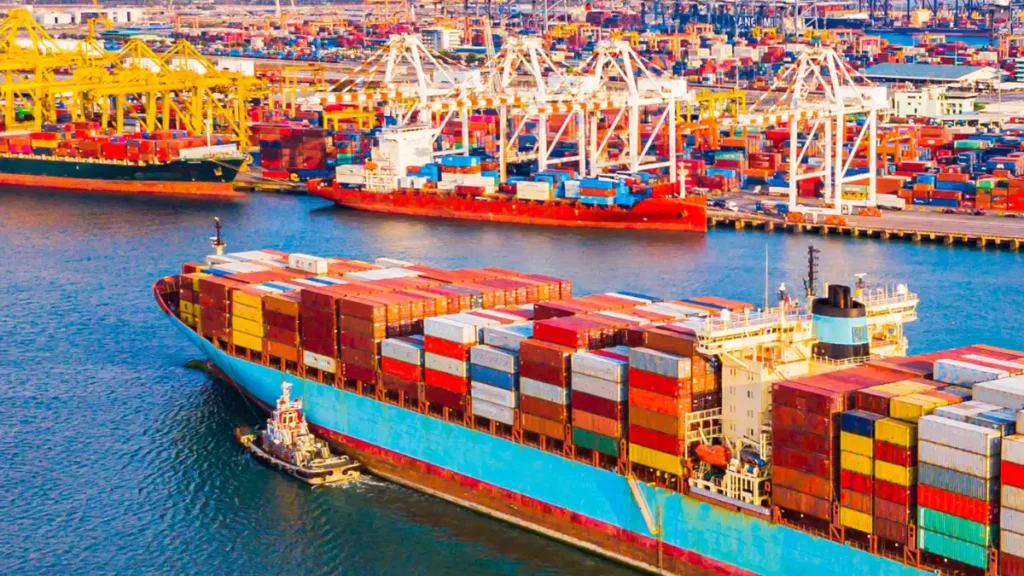
Commercial shipping,
-
Underwater oil and gas exploration,
-
Naval sonar operations,
-
Seafloor mining and construction,
have introduced high levels of acoustic pollution. These noises can disorient marine mammals, interfere with migration routes, and mask the biological sounds animals rely on for survival.
Marine scientists note that excessive underwater noise can even cause physiological stress and hearing loss in whales, fish, and other marine life, threatening biodiversity and ecological balance.
The Role of Sound in Marine Ecosystems
Sound plays a central role in ocean ecosystems—often more than sight. In the dark depths of the sea, where light does not penetrate, marine species depend on sound to find food, avoid predators, attract mates, and maintain social bonds.
Whales, for example, use low-frequency vocalizations to communicate across ocean basins, while certain species of reef fish create specific sounds to warn others of danger or defend territory.
The UN stressed that recognizing and preserving these natural sonic patterns is essential to marine conservation, much like protecting coral reefs or coastal mangroves.
Call to Action
The UN maritime agency urged:
-
Governments to implement stricter noise pollution regulations for shipping and offshore activities,
-
Scientific institutions to enhance acoustic monitoring networks,
-
The public to support marine acoustic sanctuaries, where natural soundscapes are preserved from human disturbance.
The agency also emphasized integrating acoustic ecology into global ocean governance efforts, including the UN Decade of Ocean Science for Sustainable Development (2021–2030).
Comments are closed.