
7 New UNESCO World Heritage Sites You Should Add to Your Travel Bucket List

Each year, the UNESCO World Heritage Committee identifies places of outstanding cultural and natural value, adding them to its prestigious World Heritage List. With more than 1,200 sites across the globe, the list celebrates humanity’s shared heritage while helping protect these landmarks through international recognition, conservation funding and legal safeguards.
This year’s newest additions range from mythical mountains and ancient porcelain workshops to World War II battlefields, vibrant wetlands and architectural masterpieces. Here are seven extraordinary destinations that deserve a place on every traveller’s bucket list.
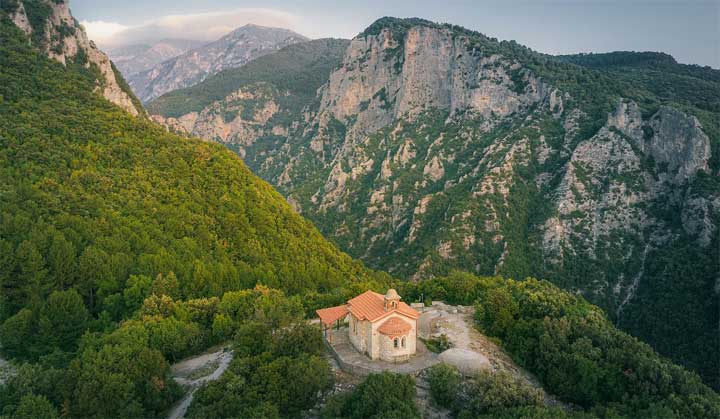
1. Mount Olympus, Greece: Home of the Greek Gods

Spanning nearly 47,000 acres, the protected landscape features towering peaks, dramatic gorges, dense forests and one of Greece’s richest ecosystems. The mountain’s changing elevations support an exceptional variety of wildlife and rare plant species, while historic landmarks such as the 16th-century Old Monastery of St Dionysios add cultural significance.
Located about 90 minutes from Thessaloniki, Mount Olympus offers visitors the perfect blend of mythology, history and breathtaking natural beauty.
2. Jingdezhen Porcelain Sites, China: The Birthplace of Fine Ceramics

For more than a millennium, Jingdezhen has been China’s porcelain capital.
The newly listed UNESCO site includes historic clay mines, kiln complexes and traditional workshops where the famous blue-and-white porcelain that adorned imperial palaces was produced before being exported across Asia and Europe.
Visitors can explore centuries-old production techniques and discover how one city shaped the global ceramic industry. Thanks to China’s extensive high-speed rail network, Jingdezhen is easily accessible for cultural travellers.
3. D-Day Landing Beaches, France: Where History Changed Forever

Stretching nearly 50 miles along Normandy’s coastline, the beaches of the 1944 D-Day landings have become one of the world’s most significant historical landscapes.
The UNESCO listing includes the five landing beaches and Pointe du Hoc, where Allied forces launched the operation that eventually led to the liberation of Western Europe during World War II.
Today, visitors can walk among preserved German bunkers, wartime fortifications, memorials and military cemeteries while reflecting on one of history’s defining moments.
4. Tashkent Modernist Architecture, Uzbekistan: Soviet Design Meets Silk Road Art

Following a devastating earthquake in 1966, Tashkent was rebuilt into one of Central Asia’s most fascinating architectural showcases.
The city’s modernist buildings combine Soviet engineering with traditional Uzbek artistry through colourful mosaics, geometric façades and decorative motifs inspired by Silk Road textiles.
Highlights include the State Museum of Arts and the iconic turquoise-domed Chorsu Market, reflecting an innovative blend of culture, craftsmanship and earthquake-resistant design.
5. Sidi Bou Saïd, Tunisia: The Blue-and-White Village

Perched above the Mediterranean near Tunis, Sidi Bou Saïd is one of North Africa’s most picturesque villages.
Founded around the tomb of a revered Sufi saint in the 13th century, the village is famous for its whitewashed houses, cobalt-blue doors and winding cobblestone lanes. Strict preservation laws have banned other paint colours for over a century, allowing only colourful bougainvillea and lush palms to contrast with the iconic blue-and-white palette.
Its timeless beauty has inspired artists, writers and travellers for generations.
6. Okefenokee National Wildlife Refuge, United States: America’s Wild Wetland

Bordering Georgia and Florida, the Okefenokee National Wildlife Refuge protects one of North America’s largest untouched freshwater wetlands.
Its vast network of cypress swamps, peat bogs, pine forests and marshes supports over 230 bird species, countless reptiles and amphibians, and one of the continent’s largest populations of American alligators.
Beyond its biodiversity, the refuge plays a crucial environmental role by storing massive amounts of carbon and preserving endangered longleaf pine ecosystems. Visitors can explore the wilderness through scenic boardwalks and guided boat tours.
7. Amazonia Theatres, Brazil: Opera Houses in the Rainforest

The Amazon rainforest is home to two of South America’s grandest theatres.
Built during the late 19th-century rubber boom, Manaus’ Teatro Amazonas became a symbol of extraordinary wealth, featuring an iconic dome decorated in the colours of the Brazilian flag.
More than 800 miles away, Belém’s Teatro da Paz reflects the same golden era with elegant staircases, ornate ceilings and European-inspired architecture.
Both theatres continue to host performances today, preserving the cultural legacy of the Amazon’s remarkable economic boom.
Why UNESCO Recognition Matters
Being added to the UNESCO World Heritage List is about far more than prestige. The designation helps protect sites through international conservation efforts, legal safeguards and funding, ensuring that these cultural treasures and natural wonders remain preserved for future generations.
Whether you’re drawn to ancient craftsmanship in China, mythical landscapes in Greece, wartime history in France or the untouched wetlands of the American South, these seven new UNESCO World Heritage Sites offer unforgettable journeys into the world’s most extraordinary places.
Comments are closed, but trackbacks and pingbacks are open.