
4 Skin Signs That Could Signal Liver Disease, According to a Top Gastroenterologist

Your liver is a vital organ responsible for over 500 essential functions — one of the most critical being the filtration of toxins from your blood. But when it’s damaged over time, it can lead to liver disease, a condition that often progresses silently until it becomes serious. That’s why early detection is key.
In an Instagram post on July 27, Dr. Saurabh Sethi — a board-certified gastroenterologist and hepatologist trained at AIIMS, Harvard, and Stanford — highlighted four skin changes you can watch for at home that may point to underlying liver disease.
🩺 4 Skin Changes That May Indicate Liver Disease
-
Jaundice
-
What to look for: Yellowing of the skin and the whites of the eyes
-
Why it happens: Caused by elevated bilirubin, a substance the liver normally helps eliminate
-
-
Spider Angiomas
-
What to look for: Tiny, web-like clusters of blood vessels, especially on the face, neck, or chest
-
Why it happens: Increased estrogen levels often seen in liver disease can lead to these vascular changes
-
-
Palmar Erythema
-
What to look for: Redness and inflammation on the palms
-
Why it happens: Linked to increased blood flow and hormonal imbalances due to liver dysfunction
-
-
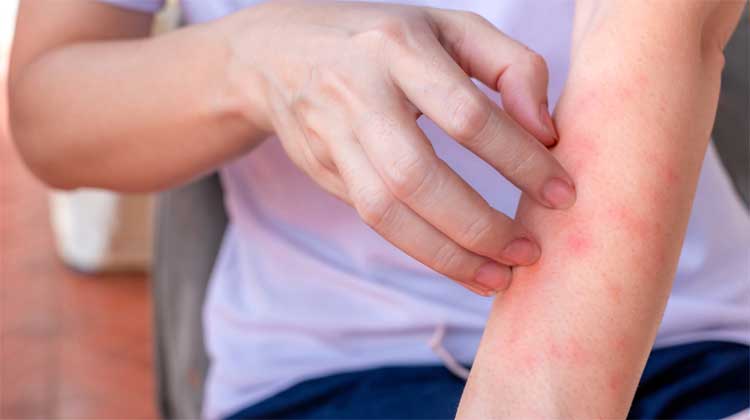
Unexplained Itching (Pruritus)
-
What to look for: Persistent itchiness, especially at night, without a visible rash
-
Why it happens: Bile salts may accumulate in the skin when the liver isn’t functioning properly
-
⚠️ Stages of Chronic Liver Disease
According to the Cleveland Clinic, chronic liver disease typically progresses through these four stages:
-
Hepatitis – Inflammation of the liver
-
Fibrosis – Early scarring
-
Cirrhosis – Advanced scarring affecting liver function
-
Liver Failure – End-stage liver disease, potentially fatal
📊 The Bigger Picture
-
Prevalence: About 4.5 million adults in the U.S. (1.8% of the population) are affected by liver disease
-
Global impact: It causes around 2 million deaths annually, accounting for 4% of all global deaths
-
Gender factor: Liver disease affects men twice as often as womenv
Comments are closed.