
2026 may become Earth’s hottest year as El Niño, climate change fuel record heat: Scientists

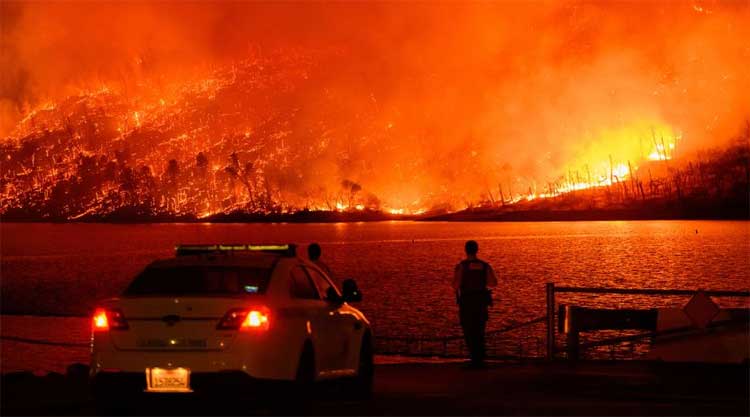
Wildfires across North America and Europe, deadly heatwaves and record-breaking ocean temperatures have intensified concerns that 2026 could become the hottest year ever recorded, with scientists warning that human-driven climate change and a strengthening El Niño are pushing global temperatures higher.
While 2026 is currently the third-hottest year on record, behind 2024 and 2025, climate experts say the gap is narrowing rapidly. Berkeley Earth climate scientist Zeke Hausfather estimates there is now a 35% chance that 2026 will overtake 2024 as the warmest year ever, up sharply from just 7% in March.
Former NASA climate scientist James Hansen believes 2026 is likely to edge past 2024 by year-end, citing persistently record-high sea surface temperatures. According to Europe’s Copernicus Climate Change Service, around 82% of the world’s oceans have experienced marine heatwaves this year, with ocean warming expected to continue boosting global temperatures.
Scientists say the strengthening El Niño is likely to amplify the long-term warming caused by greenhouse gas emissions. While El Niño naturally raises global temperatures, researchers stress that climate change remains the dominant driver of the current heat. Climate Central scientist Zachary Labe said greenhouse gases have trapped vast amounts of heat in the oceans, providing more energy for El Niño to release into the atmosphere.
Experts also noted that this year’s devastating wildfires, prolonged heatwaves and extreme weather cannot yet be fully attributed to El Niño, as its strongest effects typically emerge after several months. Instead, they say the events are consistent with decades of warnings about the consequences of burning fossil fuels.
Europe has endured multiple severe heatwaves this summer, while North America, South America and India have also experienced unusually high temperatures. Scientists warn that rising nighttime temperatures are posing increasing risks to public health by reducing relief from daytime heat.
Although researchers remain divided on whether 2026 will ultimately set a new record, many agree that 2027 could be even hotter, as the combined effects of long-term global warming and El Niño continue to intensify.
Comments are closed, but trackbacks and pingbacks are open.