
12 Common Reasons Your Breasts Hurt When Pressed — And When to See a Doctor

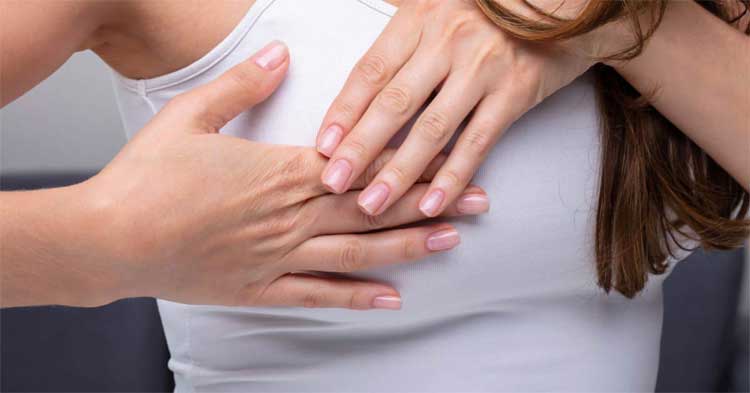
Breast pain, medically known as mastalgia, is a concern many women experience at some point in their lives. The discomfort can range from mild sensitivity to sharp, stabbing pain, and may be triggered by hormonal changes, lifestyle habits, medication, or underlying health conditions.
Doctors classify breast pain into two categories: cyclical pain, linked to hormonal fluctuations during the menstrual cycle, and non-cyclical pain, which may stem from causes such as injury, surgery, or infection. While most breast pain is harmless and rarely linked to breast cancer, experts advise seeking medical advice when the pain is persistent, unexplained, or accompanied by symptoms such as fever, swelling, nipple discharge, or a new lump.
Here are 12 of the most common reasons breasts may hurt when pressed:
1. Breastfeeding
Pain during breastfeeding is common, especially in the early weeks. Improper latching, blocked milk ducts, or mastitis — a painful breast infection — can all trigger tenderness and swelling. Persistent pain, fever or redness warrants medical attention or assistance from a lactation specialist.
2. Certain Medications
Hormone-related drugs such as birth control pills, as well as medicines like digitalis, diuretics, or some psychiatric drugs, may cause breast tenderness as a side effect. If discomfort begins after starting a new drug, a doctor may recommend alternatives.
3. Breast Cysts
Most common among women aged 30–50, cysts form when fluid builds up in breast ducts. While generally harmless, they can feel painful or tender. Doctors may drain them if they grow or cause discomfort.
4. Ill-Fitting Bras
Support matters. Bras that are too tight or too loose can strain breast tissue and ligaments, causing soreness. A professional fitting and a supportive design — especially for exercise — can make a significant difference.
5. Inflammatory Breast Cancer
Unlike most breast cancers, this rare and aggressive form can involve pain. Symptoms include redness, swelling, thickened skin, and a warm sensation. While these signs can mimic infection, prompt medical evaluation is critical.
6. Large Breasts
Heavy breast tissue can pull on ligaments, leading to pain in the breasts, shoulders, neck, or back. Supportive bras, posture awareness, and in some cases, reduction surgery, may offer relief.
7. Menopause and Duct Changes
Approaching menopause may cause a condition called duct ectasia — a widening and thickening of milk ducts. It can result in pain, nipple discharge or a lump, though it typically resolves without treatment.
8. Muscle Strain
Not all chest pain is breast pain. Strained chest muscles from workouts, lifting, or injury can radiate discomfort to the breast area, a type of extramammary pain. In rare cases, breast-area pain can also signal a heart attack — especially when paired with shortness of breath, nausea, or arm and jaw pain.
9. Period-Related Hormonal Changes
The most common cause of breast pain is hormonal fluctuation before and during menstruation. Over-the-counter pain relievers or topical NSAIDs are often effective, though severe cyclical pain may require prescription treatment.
10. Pregnancy
Hormonal surges in early pregnancy can make breasts feel swollen, sore, and sensitive. The pain may ease in the second trimester, then return closer to delivery as the body prepares for breastfeeding.
11. Shingles
If the shingles rash appears on the chest, blistering and nerve pain can mimic breast discomfort. Antiviral medication can shorten infection length, though pain may persist temporarily.
12. Surgery or Injury
Any direct trauma — from biopsies to accidental blows — can cause inflammation and pain. In some cases, the breast develops fat necrosis, a benign lump that forms when fatty tissue is damaged.
When to Call a Doctor
While most causes of breast pain are benign, seek medical advice if you notice:
-
A new lump unrelated to your menstrual cycle
-
Nipple discharge, especially if bloody
-
Persistent or worsening pain
-
Redness, heat, or fever (possible infection)
-
Skin changes or dimpling
Breast pain is common and rarely life-threatening — but understanding its causes helps you respond with the right mix of calm, care, and caution.
Comments are closed.