
10 Beginner-Friendly Yoga Asanas to Start Your Yoga Journey

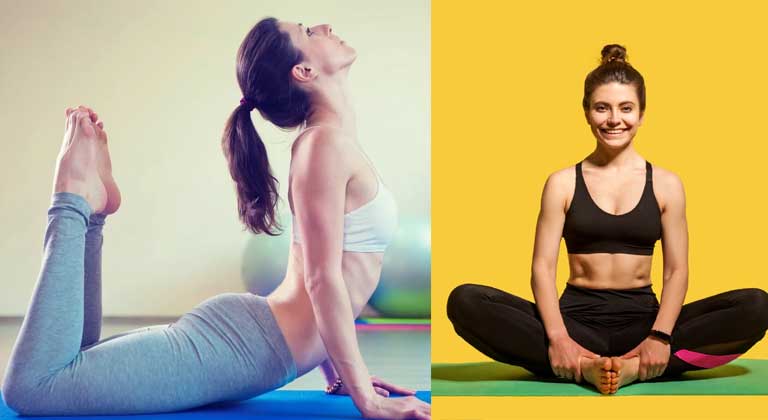
Starting yoga can feel both exciting and a little intimidating. With countless poses, styles, and routines available online, beginners often wonder where to begin.
Yoga is not just about perfecting poses—it’s about building flexibility, balance, and a gentle connection between the body and mind. Even simple asanas can improve posture, relieve stiffness, calm the nervous system, and support overall physical and mental well-being.
Yoga expert Saurabh Bothra, co-founder of Habuild, advises beginners to start slow with foundational poses to stay consistent, avoid injuries, and enjoy the full benefits of yoga.
Here are 10 beginner-friendly yoga asanas to get started:
1. Sukhasana (Easy Pose)
A calming seated pose that improves posture and encourages mindful breathing.
How to do it:
-
Sit comfortably with legs crossed
-
Keep your spine straight and shoulders relaxed
-
Rest your hands on your knees
-
Close your eyes and breathe deeply for 1–2 minutes
2. Padahastasana (Standing Forward Bend)
Stretches the spine and hamstrings while improving blood circulation; relieves stress and fatigue.
How to do it:
-
Stand with feet hip-width apart
-
Inhale and raise arms overhead
-
Exhale and bend forward from the hips
-
Let your hands reach toward the floor
-
Hold for 5–8 breaths
3. Bhujangasana (Cobra Pose)
Strengthens the spine, opens the chest, and reduces back stiffness.
How to do it:
-
Lie on your stomach
-
Place palms under your shoulders
-
Inhale and lift your chest gently
-
Keep elbows slightly bent
-
Hold for 15–30 seconds
4. Vajrasana (Thunderbolt Pose)
Supports digestion and promotes calmness; can be practiced after meals.
How to do it:
-
Kneel and sit back on your heels
-
Keep your spine straight
-
Rest hands on thighs
-
Close eyes and breathe for 1–2 minutes
5. Virabhadrasana I (Warrior I)
Builds leg strength, improves balance, and boosts confidence.
How to do it:
-
Step one foot forward, one back
-
Bend the front knee
-
Raise arms overhead
-
Square hips forward
-
Hold for 5–8 breaths
6. Malasana (Garland Pose)
A deep squat that improves hip mobility, aids digestion, and strengthens the lower body.
How to do it:
-
Stand with feet wider than hips
-
Lower into a squat
-
Bring palms together in front of the chest
-
Keep your chest lifted
-
Hold for 5–6 breaths
7. Marjaryasana–Bitilasana (Cat–Cow Pose)
Gentle flow that improves spine flexibility and relieves back tension.
How to do it:
-
Come onto all fours
-
Inhale and arch your back (Cow Pose)
-
Exhale and round your spine (Cat Pose)
-
Move slowly with your breath for 1 minute
8. Vrikshasana (Tree Pose)
Improves balance, posture, and concentration while strengthening the legs and core.
How to do it:
-
Stand tall
-
Place one foot on the opposite calf or thigh
-
Join palms at the chest
-
Focus on a fixed point and hold for 20–30 seconds
9. Balasana (Child’s Pose)
A restorative pose that relaxes the back and calms the mind; great for resting between poses.
How to do it:
-
Kneel and sit back on your heels
-
Fold forward, resting your forehead on the mat
-
Extend arms forward or relax them by your sides
-
Breathe deeply
10. Savasana (Corpse Pose)
Helps the body absorb the benefits of practice and deeply relaxes the nervous system.
How to do it:
-
Lie flat on your back
-
Relax your arms and legs
-
Close your eyes and focus on breathing
-
Stay for 3–5 minutes
Starting with these simple asanas can help beginners establish a routine, improve flexibility, and experience the physical and mental benefits of yoga.
Comments are closed.