
Women with Metabolic Syndrome Face Higher Risk of Gynaecological Cancers, Finds Study

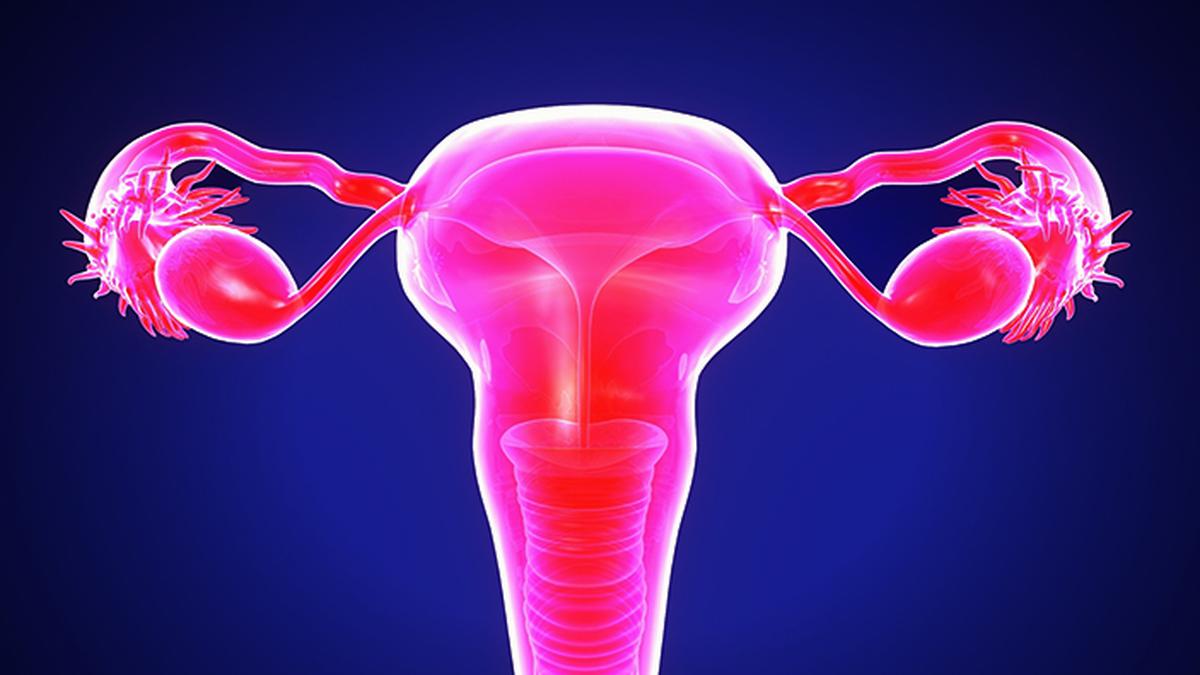
A recent medical study has found a strong link between metabolic syndrome — a cluster of conditions that includes obesity, high blood sugar, elevated cholesterol, and high blood pressure — and an increased risk of several gynaecological cancers in women. The findings shed new light on how metabolic health influences reproductive and hormonal well-being, urging women to pay closer attention to early signs of metabolic imbalance.
Understanding Metabolic Syndrome
Metabolic syndrome is not a single disease but a combination of metabolic abnormalities that occur together, raising the risk of heart disease, diabetes, and stroke. Its defining features include:
-
Increased waist circumference (abdominal obesity)
-
High fasting blood sugar or insulin resistance
-
Elevated triglycerides and low HDL (“good”) cholesterol
-
Hypertension (high blood pressure)
Doctors warn that lifestyle factors such as poor diet, sedentary habits, stress, and genetic predisposition contribute to its development. For women, hormonal changes — especially during menopause — can further amplify its effects on the body.
The Study’s Findings
According to the study, women diagnosed with metabolic syndrome were found to have a significantly higher risk of developing gynaecological cancers, particularly endometrial (uterine lining), ovarian, and cervical cancers. Researchers observed that insulin resistance, chronic inflammation, and hormonal imbalance — all common consequences of metabolic dysfunction — may create a biological environment conducive to cancer growth.
The data suggest that women with metabolic syndrome were up to two to three times more likely to develop endometrial cancer compared to those without the condition. The risk was also elevated for ovarian cancer, though to a slightly lesser degree.
One of the researchers involved in the study noted, “Our findings indicate that metabolic health plays a pivotal role in women’s reproductive cancer risk. Managing obesity, blood sugar, and lipid levels isn’t just about preventing diabetes or heart disease — it’s also about cancer prevention.”
The Hormonal Connection
The study highlights how insulin resistance and excessive fat tissue can alter the body’s hormone balance. Fat cells are active endocrine organs that produce oestrogen, and when excessive, they can cause prolonged oestrogen exposure — a known risk factor for endometrial and breast cancers.
Moreover, chronic inflammation associated with obesity and high insulin levels can damage cellular DNA, promoting tumour growth. These metabolic changes also weaken the body’s immune surveillance, reducing its ability to detect and destroy abnormal cells early.
Gynaecological Health and Early Warning Signs
Experts recommend that women, especially those over 35 or with risk factors like obesity and diabetes, undergo regular screenings for gynaecological cancers. Common warning signs — such as irregular bleeding, pelvic pain, bloating, or unexplained weight changes — should never be ignored.
“Metabolic syndrome is often silent in its early stages,” says a gynaecologic oncologist. “Women may not realize they’re at risk until other health issues emerge. That’s why routine health checks and preventive screenings are vital.”
Lifestyle and Prevention
The good news, doctors emphasize, is that metabolic syndrome is largely preventable and reversible through lifestyle modification. Key steps include:
-
Balanced diet: Emphasizing fruits, vegetables, lean proteins, and whole grains while avoiding refined sugars and processed fats.
-
Regular physical activity: At least 30 minutes of moderate exercise, such as brisk walking or cycling, five times a week.
-
Weight management: Maintaining a healthy body mass index (BMI) and waist circumference.
-
Routine health check-ups: Monitoring blood pressure, cholesterol, and blood glucose regularly.
-
Avoiding smoking and excessive alcohol consumption.
Even modest improvements in diet and physical activity can significantly lower insulin levels and inflammation, thereby reducing cancer risk.
A Broader Message for Women’s Health
This study underscores an important shift in medical understanding — metabolic health is inseparable from reproductive health. It also challenges the traditional tendency to view cancer risk purely through genetic or hormonal lenses. Instead, it positions metabolic syndrome as a modifiable, preventable condition that can profoundly influence women’s long-term wellbeing.
Healthcare professionals are calling for greater integration between endocrinology and gynaecology in women’s preventive care. Public health initiatives focusing on metabolic education, early screening, and lifestyle interventions could play a crucial role in reducing future cancer incidence.
Conclusion
The link between metabolic syndrome and gynaecological cancers adds a new dimension to how we view women’s health. Beyond cosmetic or cardiovascular concerns, metabolic balance is now recognized as a critical defence against reproductive cancers.
As experts summarize it: “The fight against gynaecological cancers must begin much earlier — not in the oncology ward, but in daily choices that support metabolic health.”
In other words, a healthy metabolism is one of the most powerful forms of cancer prevention available to women today.
Comments are closed.