

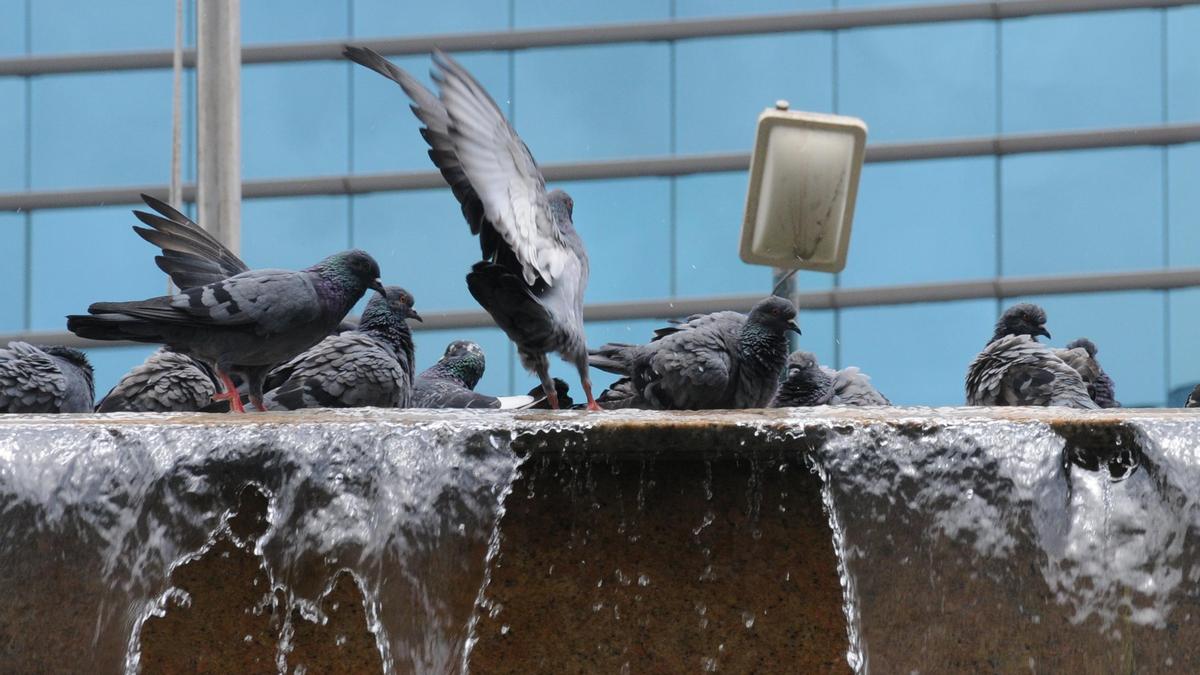
Often seen fluttering across city squares, nesting under bridges, or pecking at crumbs in public parks, pigeons may appear harmless and even endearing. However, to public health managers, these birds represent a crucial intersection between urban ecology, sanitation, and disease prevention. Understanding pigeons’ role in urban environments is essential not only for maintaining cleanliness but also for safeguarding human health.
The Urban Pigeon Phenomenon
Pigeons, scientifically known as Columba livia domestica, are among the most adaptable bird species on Earth. They thrive in densely populated areas where food sources—mostly human waste or discarded grains—are abundant. Their ability to live in close proximity to humans has made them a permanent part of cityscapes worldwide.
While they contribute to biodiversity and can even help in studying urban ecosystems, their overpopulation presents unique challenges for public health authorities. Pigeons can act as reservoirs and carriers of various pathogens, contaminate infrastructure, and contribute to environmental degradation through droppings and nesting materials.
Disease Transmission Concerns
Public health managers closely monitor pigeon populations because these birds can harbor disease-causing microorganisms that may affect humans, particularly those with weakened immune systems. Some of the key pigeon-related diseases include:
-
Histoplasmosis: A respiratory infection caused by inhaling spores of a fungus that grows in soil enriched with bird droppings.
-
Cryptococcosis: Another fungal disease associated with pigeon droppings, which can cause severe lung or brain infections in humans.
-
Psittacosis (Ornithosis): A bacterial infection that can spread from birds to humans, leading to flu-like symptoms and pneumonia.
Although the risk of direct transmission is relatively low for the general population, improper cleaning of pigeon waste or exposure in poorly ventilated areas can increase infection risks for sanitation workers, maintenance staff, and construction crews.
Environmental and Infrastructure Impact
Beyond health concerns, pigeons also pose significant infrastructure and sanitation challenges. Their droppings are highly acidic and can corrode stone, metal, and paint on public buildings and monuments. In areas with large colonies, pigeon waste can clog gutters, create slippery surfaces, and damage ventilation systems.
For public health managers, these issues translate into costly urban maintenance programs and a need for sustained bird population control measures. Effective waste management and city planning—such as limiting access to nesting areas and reducing food waste—are essential components of pigeon management strategies.
Indicators of Urban Hygiene
Interestingly, pigeon populations often serve as indicators of urban hygiene. Cities with uncontrolled waste disposal and abundant food litter tend to attract more pigeons. Monitoring pigeon density can therefore provide indirect insights into a city’s sanitation standards and waste management efficiency.
Public health departments sometimes collaborate with environmental agencies to study pigeon behavior as a way of identifying hygiene hotspots. Reducing pigeon overpopulation can thus go hand-in-hand with improving urban cleanliness and waste control systems.
Population Control and Ethical Management
Public health managers face the challenge of balancing human safety with animal welfare. Traditional methods such as poisoning or trapping are increasingly discouraged due to ethical concerns and environmental consequences.
Modern urban management emphasizes humane and sustainable control measures, including:
-
Public awareness campaigns to discourage feeding pigeons.
-
Architectural modifications (spikes, nets, or sloped surfaces) to prevent nesting.
-
Biological birth control programs, where pigeons are fed treated grains that reduce reproduction rates.
These approaches help maintain pigeon populations at manageable levels while minimizing harm to the ecosystem.
Role in Disease Surveillance
Interestingly, pigeons also have a positive role in public health research. Because they live in close contact with humans and are exposed to various pollutants, they can serve as bioindicators of environmental health. Monitoring pigeon health and behavior can help detect early signs of environmental hazards or emerging infectious diseases in urban settings.
For example, sudden declines in pigeon populations or abnormal bird behavior can alert public health authorities to potential air pollution issues or toxic exposure in specific areas.
Education and Collaboration Are Key
Effective management of pigeon-related issues requires collaboration across sectors—public health departments, environmental agencies, city planners, and the general public. Educational initiatives that promote responsible waste disposal, discourage feeding, and raise awareness of hygiene risks are vital.
Public participation plays an important role. When citizens understand that feeding pigeons contributes to overcrowding and disease risks, they are more likely to support community-driven control efforts.
Conclusion
Pigeons, though a familiar and often beloved part of city life, present complex challenges for public health managers. They serve as both indicators of urban environmental health and potential vectors of disease. Addressing the risks associated with pigeons requires a combination of scientific surveillance, ethical control methods, urban planning, and public education.
In the end, pigeons remind us that public health is not only about hospitals and vaccines—it is also about maintaining harmony between humans, animals, and the urban ecosystems we share.
Comments are closed.