
Why Iran is targeting the UAE — punishment, pressure, and messaging

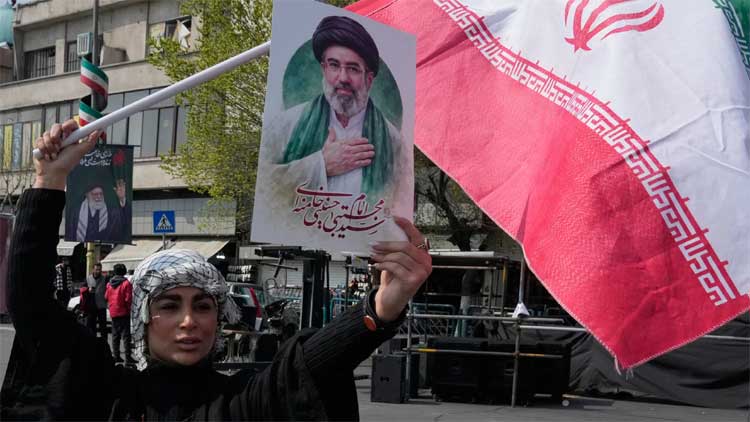
The UAE Defence Ministry on Tuesday said that Iran has fired 304 ballistic missiles, 15 cruise missiles, and 1,627 kamikaze drones at the Emirates since February 28, but the majority of these aerial platforms were neutralized by their anti-ballistic missile defence.
This morning, an oil field in Abu Dhabi was hit by an Iranian projectile, with the entire airspace being closed for a few hours early on Tuesday. Even though the missile and drone attacks have reduced in frequency, Iran has made the rich sheikhdoms of Dubai, Abu Dhabi, and Sharjah priority targets, as the UAE has slowly become the financial hub of the Middle East.
While the Iranian hardline IRGC has justified the targeting of the UAE, saying the latter supports US military efforts and was part of the Abraham Accords, the fact is that targeting Dubai gets global eyeballs and gives legitimacy to the Iranian offensive on the Arab street. Radicalised over the past decades in the name of Palestine and Gaza, the Arab street has been weaned on hatred against Israel and the US, with little scope for moderation. The Iranian regime, like others in the Middle East, has used political Islam as a tool to first capture power and then ensure political survival by radicalising the masses.
Even though the UAE government is seething with rage against the IRGC for making the Emirates collateral damage in the war waged by Israel and the US, the Emirates does not have the offensive capacities required to neutralize Iranian ballistic missile launching pads deep in the Zagros and Alborz mountain ranges. The other version is that the UAE and other targeted Gulf nations have left it to the US military to avenge their losses against Iran.
Now in its 18th day, the Iranian retaliation against the assassination of their Supreme Leader has reduced in numbers, but the firing of ballistic missiles against Gulf countries and Israel is expected to continue at least until the end of March. By targeting the Gulf countries, the IRGC is sending a message to these oil-rich nations that even the US cannot save them from the wrath of Tehran and that the US can no longer guarantee the security of the Middle East. Iran has left the Gulf nations with the binary option of either throwing US military assets out of their countries or continuing to face military attacks from Iran, apart from economic losses due to the near closure of the Straits of Hormuz.
While the Gulf countries have a lot to lose in the ongoing conflict, Iran, on the other hand, only has to survive the onslaught of US-Israel firepower to declare victory against the so-called Zionist forces. Unless the regime in Iran collapses due to internal protests and a more moderate regime takes over, the IRGC will continue playing the asymmetric war card in Hormuz and perhaps in the Red Sea at a later stage. The IRGC will also use the Quds Force to engineer terror attacks using proxies in third countries against US and Israeli targets. Even though the war in the Middle East may end soon, with the US perhaps occupying Iranian oil assets on Kharg Island, the political future of the Middle East has taken yet another turn — and perhaps for the worse.
Comments are closed, but trackbacks and pingbacks are open.