
Why Indians are banned from travelling to Yemen: Ministry of External Affairs advisory cites war, security risks and collapsed infrastructure

International travel for Indian citizens has become easier in recent years, with many countries offering e-visas, visa-on-arrival facilities and relaxed entry requirements. However, there is one destination where the situation is entirely different. According to the Ministry of External Affairs, travel to Yemen is not merely discouraged for Indian passport holders — it is officially banned by the government.
The restriction means Indian nationals cannot travel to Yemen by air, sea or land unless they obtain special permission from the government in the form of a No Objection Certificate (NOC). An official advisory issued by the Government of India in 2017 states that Indian citizens are prohibited from travelling to Yemen until further notice, and the advisory remains in force.
What the government rule says
The travel advisory warns that the security situation in Yemen is extremely volatile. According to the guidelines:
-
Indian citizens should not travel to Yemen under any circumstances.
-
Travel to Yemen by air, land or sea without special government permission is prohibited.
-
Those violating the advisory may face action under the Passports Act, 1967.
-
Authorities may impound or cancel passports of citizens who disregard the travel ban.
The advisory has been reiterated through Indian embassies and consulates worldwide.
In rare cases involving humanitarian, diplomatic or emergency situations, Indian citizens can apply for special permission before travelling. Without such approval, visiting Yemen is considered a violation of the advisory.
The conflict behind the travel ban
The restriction stems largely from the devastating conflict that has gripped Yemen since 2015. The civil war involves multiple parties, including the Yemeni government and the Houthi movement, making the country one of the most unstable and dangerous regions in the world.
When the conflict intensified in 2015, thousands of Indians were stranded in Yemen. The Indian government launched a massive evacuation mission called Operation Raahat to bring its citizens home.
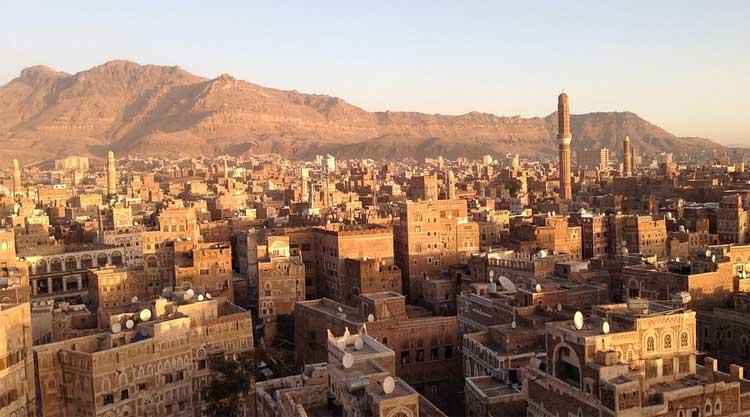
Cities once known for their historic architecture and cultural heritage have since been affected by violence, while air and land routes have become highly risky. The presence of armed groups and the unpredictability of the conflict make it extremely difficult to ensure the safety of foreign nationals.
Collapse of infrastructure and services
Years of war have severely damaged Yemen’s infrastructure and economy. Across the country:
-
Hospitals lack basic medical equipment
-
Electricity and water supplies are unreliable or unavailable
-
Transport networks have been heavily damaged
-
Food shortages are widespread
Regular international commercial flights to Yemen are also largely unavailable, and travel routes can be disrupted without warning. In emergency situations, evacuating foreigners becomes extremely difficult.
Limited diplomatic assistance
Another major concern is the limited ability of governments to help their citizens inside Yemen. Many countries, including India, have significantly reduced their diplomatic presence due to security risks.
As a result, in situations such as injury, arrest or kidnapping, providing assistance to travellers becomes extremely challenging. For this reason, governments prefer to prevent travel entirely rather than risk citizens being stranded in a conflict zone.
Comments are closed, but trackbacks and pingbacks are open.