
Why Are More Indians Gaining Weight? Unpacking the Lifestyle and Dietary Shifts Behind the Obesity Surge

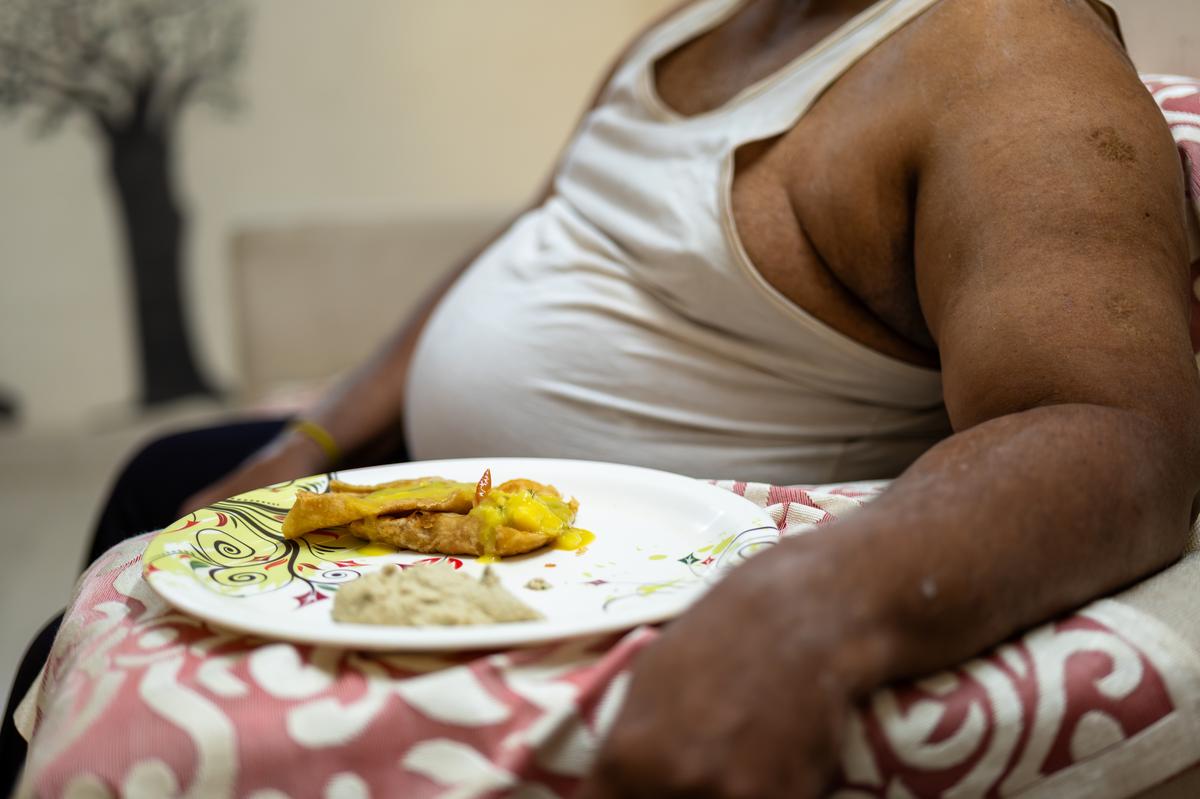
India is witnessing a silent but alarming public health challenge—rising rates of overweight and obesity. Once a nation grappling primarily with undernutrition, India is now experiencing a dual burden of malnutrition. From metro cities to small towns, the number of people gaining excess weight is rising steadily across age groups. According to health surveys, over 135 million Indians are obese or overweight today. But what’s causing this surge?
1. Urbanization and Sedentary Lifestyle
With the growth of urban centers, more Indians are employed in white-collar jobs involving long hours at desks and minimal physical movement. The widespread use of cars, elevators, and home delivery services has further reduced the need for everyday physical exertion.
-
Office-based work means 8–10 hours of sitting daily.
-
Decline in walking and cycling due to urban congestion and safety issues.
-
Lack of access to parks or open spaces for physical activity in crowded cities.
2. Diet Transition: From Traditional to Processed
A significant shift has occurred in the Indian diet over the past two decades:
-
Rising intake of processed and packaged foods, often high in sugar, salt, and unhealthy fats.
-
Traditional diets rich in vegetables, legumes, and whole grains are being replaced by refined carbs, sugary drinks, and junk food.
-
The growing popularity of fast food chains, home delivery apps, and convenience eating has changed how and what people eat.
3. Stress and Mental Health Factors
Chronic stress and anxiety—common in modern urban lifestyles—are linked to emotional or binge eating.
-
Cortisol, the stress hormone, increases cravings for high-calorie “comfort foods.”
-
Work-related pressures, financial uncertainty, and social competition contribute to unhealthy coping mechanisms, including overeating or snacking late at night.
4. Poor Sleep Patterns
Inadequate sleep disrupts hormones like ghrelin and leptin, which regulate hunger and fullness.
-
People who sleep less than 6–7 hours are more likely to overeat the next day.
-
Increased screen time at night (phones, laptops, TV) interferes with natural sleep cycles, further compounding the problem.
5. Lack of Awareness and Preventive Culture
Many Indians are unaware of:
-
What constitutes a balanced diet
-
Proper portion control
-
The long-term risks of even moderate weight gain (diabetes, heart disease, PCOS, etc.)
There is also a cultural normalization of being “chubby” or “healthy-looking,” particularly in children, which delays early intervention.
6. Economic Prosperity and Consumption Patterns
With rising incomes, dietary habits have changed dramatically:
-
Increased affordability and availability of calorie-dense foods like sweets, fried snacks, sugary drinks, and non-veg delicacies.
-
Frequent eating out and celebrations centered around rich food.
-
Rural and Tier 2/Tier 3 towns are now mirroring urban consumption patterns.
7. Genetic and Metabolic Factors
While genetics play a role, modern lifestyle choices trigger these tendencies. South Asians are particularly prone to:
-
Visceral fat accumulation (fat around organs), which is more dangerous than subcutaneous fat.
-
Metabolic syndrome, making them more vulnerable to diabetes and hypertension even with modest weight gain.
India’s weight gain crisis is not just a personal health issue—it’s a growing national concern. Tackling it requires:
-
Public awareness campaigns
-
Promotion of physical activity through urban planning
-
Nutrition education at schools and workplaces
-
Affordable access to healthy food options
-
Encouragement of traditional, home-cooked diets
Comments are closed.