
Who Will Be Nepal’s Next PM? Gen-Z Divisions Fuel Growing Uncertainty

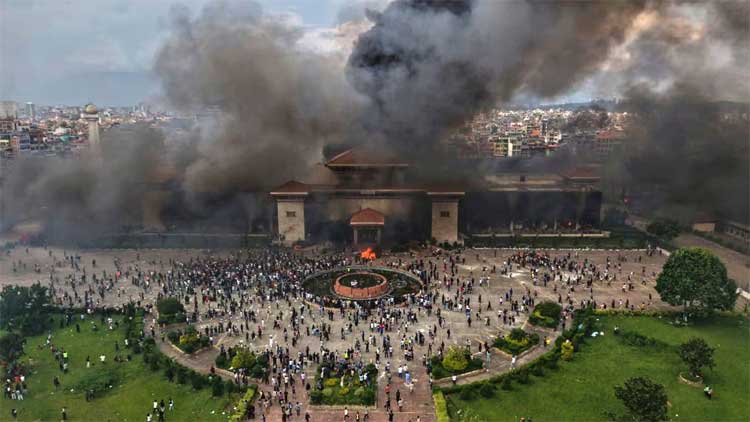
Tensions flared outside the Nepal Army headquarters in Kathmandu on Wednesday evening as rival Gen-Z factions clashed over who should lead the country after the violent ouster of Prime Minister KP Sharma Oli. Oli resigned on Tuesday, leaving the post vacant as the anti-corruption revolt entered its third day without a clear leader.
Talks between Gen-Z representatives, President Ram Chandra Paudel, and the army chief are ongoing, but no decision has been reached. Among the frontrunners are Kathmandu mayor and rapper Balendra Shah ‘Balen’, former chief justice Sushila Karki, former electricity board chief Kulman Ghising, and Dharan mayor Harka Raj Sampang. Journalist-turned-politician Rabi Lamichhane, freed from jail during the uprising, also retains strong grassroots backing.
Reports said scuffles broke out between supporters of Balen, Karki, and Sampang late Wednesday. The president later issued a public appeal for calm, signalling that the onus now rests on Gen-Z leaders to choose a consensus candidate.
The unrest began with protests against a social media ban but quickly swelled into a nationwide revolt, fuelled by anger against the ageing political elite. Over 30 people were killed, and homes of veteran leaders — including Oli, 73, and opposition figure Pushpa Kamal Dahal ‘Prachanda’, 70 — were torched.
Age has become a defining fault line. While the protests were driven by those under 28, the contenders range widely: Balen is 35, Sampang 42, Lamichhane 51, Ghising 54, and Karki 73. Despite being older, Karki is admired for her liberal positions and anti-establishment record, and would become Nepal’s first woman prime minister if chosen.
For now, however, the leadership vacuum remains — deepening uncertainty in the Himalayan nation as it seeks to rebuild after a week of chaos.
Comments are closed.