
Which Countries Face a US Travel Ban? Full List

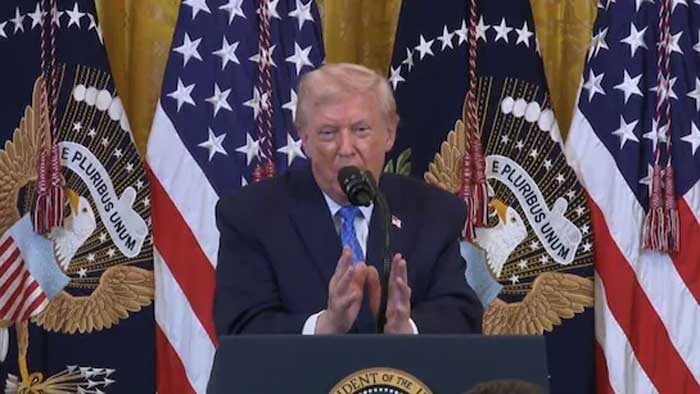
The Trump administration on Tuesday expanded US travel restrictions to 20 additional countries, bringing the total number of affected nations to 40. Of these, 19 countries are now subject to a complete ban on travel to the United States.
Countries facing a full travel ban include Syria, Burkina Faso, Mali, Niger, South Sudan, Laos, Sierra Leone, Myanmar, Chad, the Republic of Congo, Equatorial Guinea, Haiti, Eritrea, Iran, Libya, Somalia, Sudan, Yemen and Afghanistan. The restrictions also apply to Palestinian Authority passport holders.
The White House said President Donald Trump signed a proclamation “expanding and strengthening entry restrictions on nationals from countries with demonstrated, persistent, and severe deficiencies in screening, vetting, and information-sharing,” citing national security and public safety concerns. The expanded measures will take effect on January 1.
In addition to the full bans, the administration imposed partial travel restrictions on several other countries. These include Nigeria — Africa’s most populous nation — as well as Ivory Coast and Senegal, both of which have qualified for the 2026 World Cup to be hosted by the United States, Canada and Mexico.
Other countries facing partial restrictions are Angola, Antigua and Barbuda, Benin, Dominica, Gabon, The Gambia, Malawi, Mauritania, Tanzania, Zambia and Zimbabwe, along with the Polynesian nation of Tonga, according to AFP.
The administration said the measures are part of broader efforts to tighten US entry standards for travel and immigration. Critics have condemned the move as discriminatory and overly broad. Officials signaled an expansion of the restrictions following the arrest of an Afghan national suspected in the shooting of two National Guard troops over the Thanksgiving weekend.
In June, Trump announced a ban on travelers from 12 countries, with restrictions imposed on seven others. The new proclamation also states the administration’s intent to block entry by foreigners deemed likely to “undermine or destabilise” US culture, institutions or founding principles.
Syrians were added to the ban days after two US troops and a civilian were killed in the conflict-ravaged country, which the Trump administration has sought to reintegrate internationally following the fall of longtime leader Bashar al-Assad. Syrian authorities said the attacker was a member of the security forces who was set to be dismissed for holding “extremist Islamist ideas.”
Comments are closed.