
Where the Sea Sets the Pace: Six of the World’s Quietest Coastlines

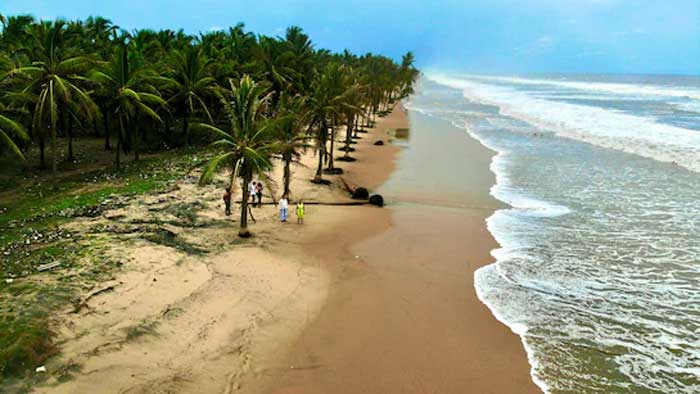
Not every traveller is drawn to crowded beaches, busy promenades or sunsets staged for applause. Some look for coastlines where mornings unfold slowly, evenings are hushed, and the sea is woven into everyday life rather than packaged as entertainment. Quiet coasts are shaped by tides, weather and working rhythms. They reward travellers who enjoy walking without plans, eating what the water provides that day, and staying in places that feel lived-in, not curated.
Across the world, there are coastal regions where tourism has never overtaken daily life. These places are calm not because they are secret, but because geography, climate or culture naturally keeps crowds away. For those who value space, silence and a strong sense of place, these destinations offer rare and lasting stillness.
Quiet Coastlines Around the World: At a Glance
| Destination | Region | Why It Stays Quiet |
|---|---|---|
| Sundarbans | India & Bangladesh | Mangroves, boat-only travel, limited access |
| Hudson Bay | Canada | Short summers, vast open landscapes |
| Baffin Bay | Arctic | Ice, extreme weather, restricted travel |
| Basque Coast | Spain & France | Working towns over resort culture |
| Great Australian Bight | Australia | Remoteness, minimal development |
| Bay of Fundy | Canada | Daily life shaped by powerful tides |
Each of these coastlines offers a different form of calm, rooted in how people live alongside the sea.
Six Coastal Destinations for Travellers Who Prefer Quiet
1. Sundarbans
The Sundarbans are among South Asia’s quietest coastal regions because life here follows water, not schedules. Travel happens by boat through narrow mangrove channels, where the sounds are limited to birds, wind and the slow churn of engines.
There are no beaches for lounging and no nightlife. Days revolve around tides and daylight; evenings arrive early and quietly. Travellers drawn to nature-led stays, simple accommodation and slow observation find the Sundarbans deeply grounding. The silence here feels intentional, shaped by geography and respect for the ecosystem rather than tourism design.
2. Hudson Bay
Along Hudson Bay, quiet is defined by scale. For much of the year, the coastline is frozen. When summer arrives, the ice retreats briefly, revealing long daylight hours, tundra blooms and migrating wildlife.
Travel is seasonal and purposeful. Small communities line the coast, with Indigenous culture central to daily life. Visitors come for birds, animals and the feeling of space rather than attractions. Hudson Bay suits travellers comfortable with sparse infrastructure and expansive landscapes, where silence comes not from isolation but from immensity.
3. Baffin Bay
Baffin Bay offers one of the world’s most extreme forms of coastal quiet. Icebergs drift past settlements, weather dictates movement, and travel windows are narrow. There is no casual tourism—journeys are carefully planned and often linked to expeditions or research.
What draws people here is clarity rather than comfort. The landscape is stark, the air sharp, and the silence almost tangible. Ideal for photographers, writers and travellers seeking elemental experiences, Baffin Bay is quiet because it demands respect, not because it hides.
4. Basque Coast
Stretching along the Bay of Biscay, the Basque Coast offers a rare European shoreline that feels lived-in rather than touristic. Fishing villages, working harbours and local markets shape daily life. The sea is powerful here, influencing architecture, food and routines.
Travel revolves around walking, eating and observing rather than beach-hopping. Mornings belong to fishermen, afternoons to long meals, and evenings remain understated. Even in summer, many towns retain balance by prioritising local life over visitors. This coast is ideal for travellers seeking culture without crowds.
5. Great Australian Bight
The Great Australian Bight is defined by distance. Vast cliffs meet open ocean, towns are few, and the landscape feels intentionally empty. Travel here often means long drives, quiet lookouts and seasonal wildlife encounters.
Southern right whales pass through these waters, attracting visitors who are patient enough to wait rather than expect spectacle. Accommodation is simple, nights are silent, and space is constant. This coastline suits travellers who enjoy remoteness and are comfortable with minimal distractions.
6. Bay of Fundy
The calm of the Bay of Fundy comes from rhythm. Home to the world’s highest tides, the coastline is reshaped twice daily. Paths disappear and reappear, harbours empty and refill.
Villages here live by tidal movements rather than clocks. Fishing, walking and boating depend on the sea’s schedule. For travellers, this creates a peaceful but dynamic experience, where observation matters more than itineraries. It is a place to watch nature at work, not rush past it.
Why Quiet Coastlines Matter
Quiet coastal travel is not about escaping people altogether. It is about visiting places where life is not organised around visitors. These coasts remain calm because climate, geography or working cultures naturally limit mass tourism.
They offer mornings without noise, meals without queues and shorelines that feel honest rather than staged. For travellers who value stillness, routine and a deep sense of place, these destinations provide something increasingly rare.
Sometimes, the most memorable coastal journeys are the ones where very little happens at all.
Comments are closed.