
What Happens to Children After a Long ICU Stay? Comprehensive Support Is Often Missing, Say Experts

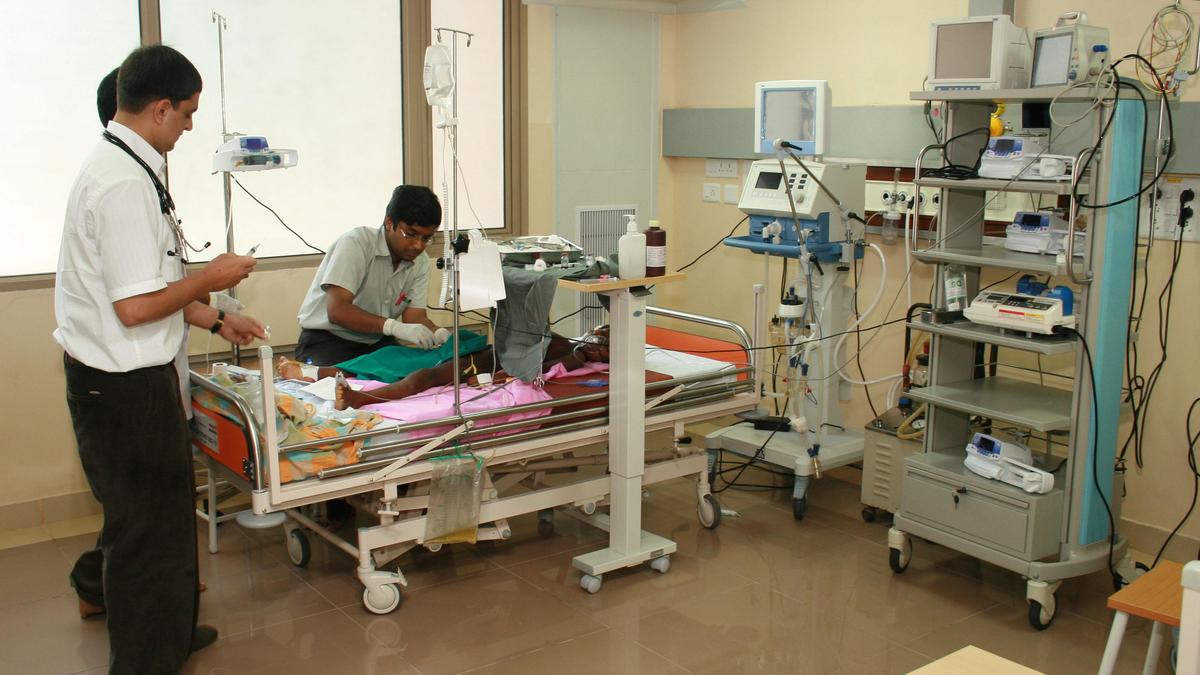
A stay in the Intensive Care Unit (ICU) can be life-saving — but for many children, the real battle begins after discharge. While modern medicine has significantly improved survival rates for critically ill children, experts warn that comprehensive post-ICU care and rehabilitation are often lacking, leaving young patients and their families struggling with long-term physical, emotional, and developmental challenges.
The Hidden Aftermath of Survival
Children admitted to intensive care often face severe infections, trauma, respiratory failure, or complex surgeries. Though many recover from the immediate crisis, their bodies and minds may continue to bear the scars of critical illness for months or even years.
Doctors describe this as Post-Intensive Care Syndrome (PICS) — a cluster of long-term complications affecting physical strength, cognitive ability, and emotional health. Pediatric specialists emphasize that while adult ICUs have growing awareness of PICS, similar focus in pediatric care remains limited.
“We celebrate survival, but survival is only the beginning,” says a pediatric intensivist. “Many children leave the ICU alive but not fully recovered — and the support systems they need outside the hospital are fragmented or absent.”
Physical and Developmental Setbacks
Prolonged ICU stays can lead to significant muscle weakness, fatigue, and growth delays. Extended periods of bed rest, sedation, or mechanical ventilation can result in loss of muscle mass, joint stiffness, and impaired coordination.
Children, whose bodies are still developing, may experience setbacks in milestones such as walking, talking, or eating independently. Some require months of physiotherapy or occupational therapy to regain normal function — services that are often costly or inaccessible in many regions.
“Critical illness disrupts growth and development,” explains a pediatric rehabilitation expert. “A three-year-old who spends three months in the ICU doesn’t just lose time; they lose a crucial stage of physical and cognitive progress.”
Emotional and Psychological Challenges
Beyond the physical effects, children who spend extended time in the ICU can suffer from psychological trauma. The experience of invasive procedures, strange machines, and separation from family can lead to nightmares, anxiety, depression, or post-traumatic stress.
Parents, too, are deeply affected. Many suffer from guilt, anxiety, or financial strain while trying to care for a child recovering from critical illness. Studies show that families often feel “abandoned” once intensive care ends — left to navigate complex medical needs without structured guidance or emotional support.
“Hospitals are great at saving lives, but not always at helping families rebuild them,” one child psychologist notes. “We need to recognize the emotional recovery as equally vital as the physical one.”
The Missing Link: Post-ICU Care Programs
Experts agree that a major gap lies in the transition from hospital to home. While many healthcare systems focus on acute treatment, few have established comprehensive post-ICU follow-up programs for children.
Such programs, where they exist, typically involve multidisciplinary teams — pediatricians, physiotherapists, psychologists, nutritionists, and social workers — who track a child’s recovery over months. They assess school reintegration, mental health, and physical rehabilitation needs.
Unfortunately, in most countries, this kind of coordinated care is rare. Parents are often discharged with complex instructions but little practical support. As a result, many children relapse, fail to regain full functionality, or develop chronic health problems that could have been prevented with early intervention.
Education and Social Reintegration
Returning to school can be a daunting challenge for children post-ICU. Fatigue, concentration difficulties, or physical limitations may affect learning and social interactions. Teachers and peers may not understand the child’s condition, leading to feelings of isolation or underperformance.
Experts emphasize the need for collaboration between healthcare and education systems to create individualized reintegration plans. Awareness among educators about post-critical illness recovery can make a significant difference in helping children regain confidence and normalcy.
Global Inequality in Care Access
While wealthier nations have begun establishing pediatric follow-up clinics, children in low- and middle-income countries face far greater challenges. Many hospitals lack pediatric rehabilitation units altogether, and families must rely on private therapy — an unaffordable option for most.
This disparity means that thousands of children in developing regions survive critical illness but live with preventable disabilities or chronic conditions due to insufficient follow-up care. Experts stress the need for governments and NGOs to recognize post-ICU care as a core component of pediatric health policy, not an optional service.
The Way Forward: Building a Continuum of Care
Health professionals advocate for a continuum of care model — one that begins in the ICU and continues long after discharge. This includes early mobilization, mental health screening, family counseling, and structured follow-ups.
Training healthcare providers to identify post-ICU complications early is equally important. Pediatricians, school nurses, and community health workers must be aware of the potential long-term effects of critical illness and coordinate care across specialties.
Conclusion: From Survival to Recovery
A long stay in the ICU is not the end of a child’s medical journey — it is the start of a new phase that requires just as much attention. Experts warn that without comprehensive rehabilitation, mental health care, and family support, many children risk falling through the cracks after surviving their critical illness.
As medical technology continues to save more young lives, it is time for healthcare systems to match survival with quality of life. Every child who beats the odds in the ICU deserves not only to live — but to thrive.
Comments are closed.