
Warning Signs of a Heart Attack: What You Should Never Ignore

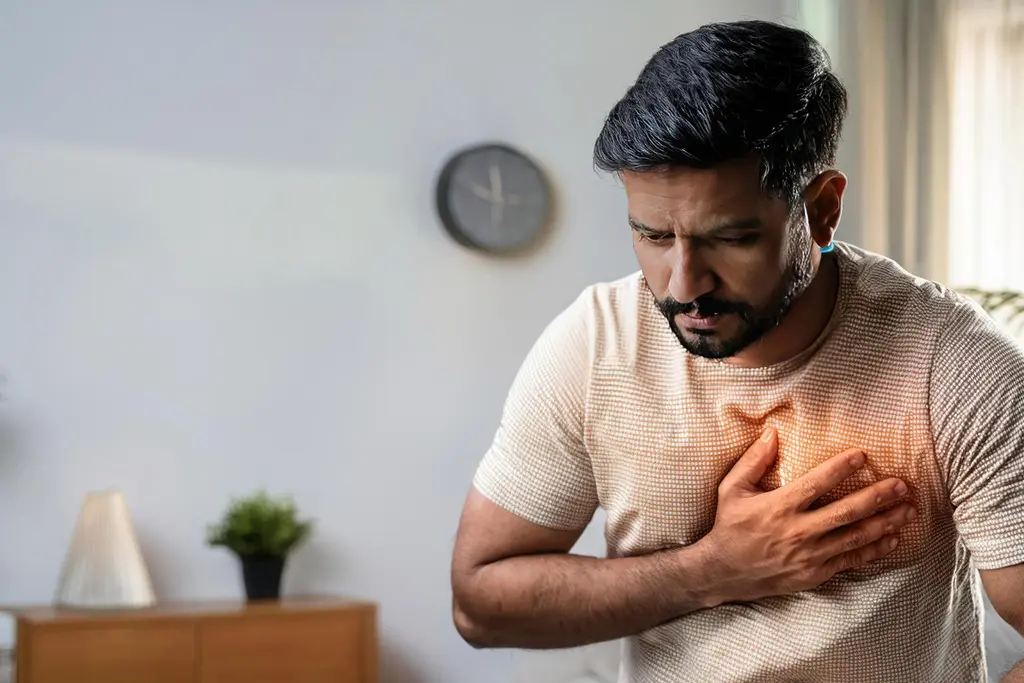
A heart attack, or myocardial infarction, occurs when the blood flow to a part of the heart is blocked, often by a blood clot. Recognizing the early signs of a heart attack can be life-saving. While some attacks are sudden and intense, most start slowly, with mild discomfort or pain. Identifying symptoms early and seeking immediate medical help can dramatically improve the chances of survival and recovery.
Most Common Warning Signs of a Heart Attack
1. Chest Discomfort
This is the most classic symptom. It often feels like:
-
Pressure
-
Squeezing
-
Fullness
-
Pain in the center or left side of the chest
It can last more than a few minutes or go away and return.
2. Pain in Other Parts of the Body
Discomfort may spread beyond the chest to:
-
One or both arms (usually the left)
-
Back
-
Neck or jaw
-
Stomach
These symptoms can be subtle, especially in women and older adults.
3. Shortness of Breath
Often occurs with chest discomfort but can also happen before the chest pain begins.
It may feel like you can’t take a deep breath or as though you’re winded with no physical exertion.
4. Cold Sweat
Breaking out in a cold sweat for no clear reason—especially when accompanied by other symptoms—is a red flag.
5. Nausea, Indigestion, or Vomiting
These symptoms are more common in women experiencing a heart attack. They are often mistaken for gastric issues.
6. Lightheadedness or Dizziness
Feeling faint, weak, or suddenly dizzy could indicate poor blood flow due to a compromised heart.
7. Extreme Fatigue
Unusual or unexplained fatigue, especially if it lasts for days or weeks, may be a sign of a “silent” or upcoming heart attack.
This is more often reported by women.
Less Obvious (But Serious) Signs in Women
Women may experience heart attacks without obvious chest pain. Common symptoms in women include:
-
Unexplained anxiety
-
Sleep disturbances
-
Flu-like symptoms
-
Jaw, neck, or shoulder pain
Because of this variation, many women delay seeking help, which can be dangerous.
What to Do If You Notice These Signs
If you or someone near you is experiencing the symptoms above:
-
Call emergency services immediately. Don’t wait to see if symptoms go away.
-
Chew an aspirin (unless allergic), which can help reduce heart damage.
-
Stay calm and still until help arrives.
Heart attacks can happen to anyone, regardless of age or fitness level. Recognizing the early warning signs and acting fast can mean the difference between life and death. Don’t dismiss symptoms as minor—listen to your body and seek medical attention without delay.
Comments are closed.