
Wage-Based H-1B Lottery Could Hit Entry-Level Indian Workers Hard

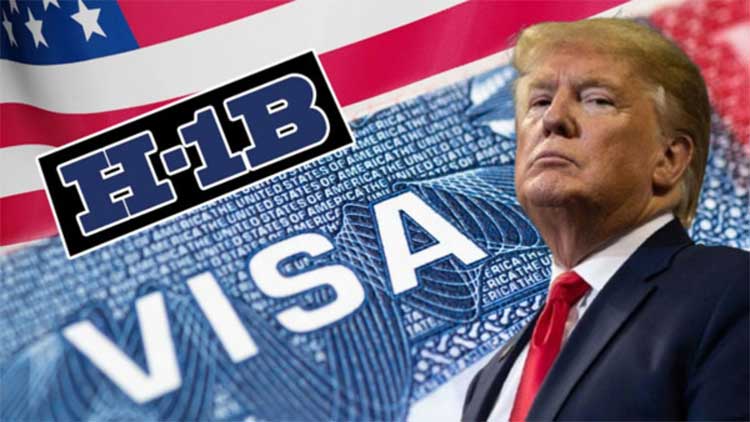
The Trump administration’s proposed changes to the H-1B visa system, which would prioritize higher-skilled and higher-paid applicants, could significantly impact entry-level foreign workers — particularly from India.
India is currently the largest beneficiary of the H-1B program. In 2024, Indians received 71% of the 399,395 approved visas, while China accounted for just 11.7%. Following a steep increase in the H-1B visa fee to $100,000, the US Department of Homeland Security (DHS) has proposed replacing the current random lottery with a weighted selection system that favors higher-paid applications.
Under the plan, applicants would be divided into four wage levels based on Labor Department data. Those in the top tier would receive four entries in the selection pool, while those in the lowest tier would receive just one. DHS says the system would still allow employers to hire workers at all wage levels, but “would favor the allocation of H-1B visas to higher-skilled and higher-paid aliens.”
Experts warn the overhaul could hurt entry-level foreign talent the most. The Heritage Institute notes that young Indian and Chinese workers filling lower-wage H-1B positions could be disproportionately affected. Silicon Valley immigration lawyer Sophie Alcorn said, “Having a wage-based lottery system would decrease total demand for skilled immigration, particularly affecting aspiring immigrants who are entry-level workers.”
The proposals come amid US conservative claims that the H-1B program is misused to hire cheaper foreign labor and undercut domestic workers. Both the $100,000 visa fee hike and the wage-based lottery are expected to face legal challenges.
Comments are closed.