
Venezuela Advances Amnesty Bill That Could Lead to Mass Release of Political Prisoners

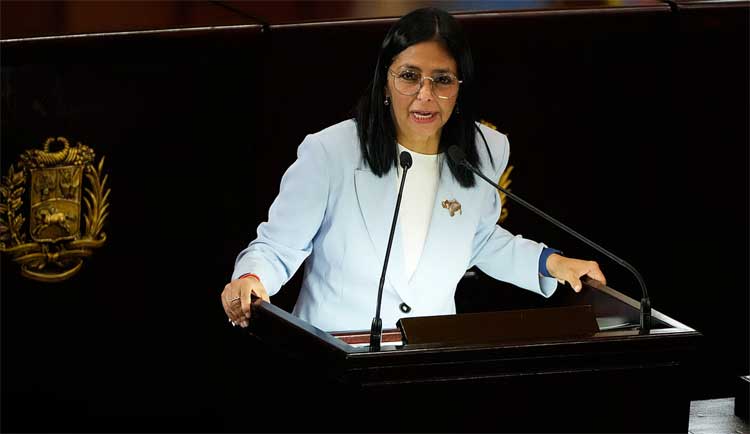
Venezuela’s National Assembly on Thursday approved the first stage of an amnesty bill proposed by acting President Delcy Rodríguez that could lead to the release of hundreds of opposition figures, journalists and human rights activists jailed on political grounds.
The legislation — a key demand of the country’s opposition and human rights groups, and supported by the United States — passed its initial debate, but the full text has not been made public. Rights organizations have reacted with cautious optimism while calling for greater transparency.
The bill must clear a second debate in the legislature before it can be sent to Rodríguez to be signed into law.
In presenting the proposal last month, Rodríguez described the measure as a step toward national reconciliation. “May this law serve to heal the wounds left by political confrontation,” she said in announcing the legislative effort.
Key Points and Reactions
Scope and exclusions
Although the bill’s specifics are not fully public, available reporting indicates the amnesty would apply broadly to political acts from the presidency of Hugo Chávez in 1999 through the recent administration of Nicolás Maduro. It would not apply to serious crimes such as murder, drug trafficking and major human rights violations.
Rights groups have expressed concern that some political detainees could be left out and are urging authorities to disclose the text and criteria before the final vote. The Venezuelan Program for Education-Action in Human Rights (PROVEA) stressed the importance of transparency given the potential impact on victims and broader society.
Political context
The proposed amnesty follows weeks of incremental releases of political prisoners since early January, after the US military captured former President Nicolás Maduro. Although the government has said hundreds of detainees have been freed, independent organizations have reported lower figures for verified releases.
Opposition lawmakers have welcomed the initial vote as a positive step toward ending political repression, while civil society advocates emphasize the need for accountability and inclusion in the final legislation.
Comments are closed.