
US Slams China After Chinese Jets Lock Radars on Japanese Aircraft Near Okinawa

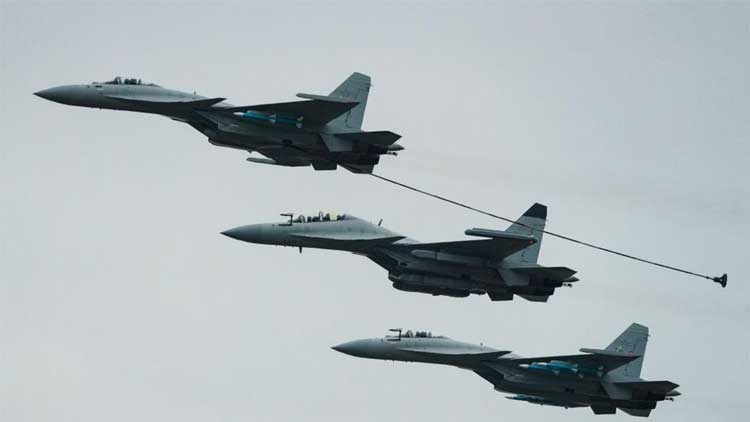
The United States has, for the first time, criticized China for locking fire-control radars on Japanese military aircraft during a training exercise last week—an incident that Tokyo and Beijing have described in sharply conflicting terms amid rising regional tensions.
The confrontation occurred near Japan’s Okinawa islands and followed remarks by Japanese Prime Minister Sanae Takaichi last month on how Tokyo might respond to a hypothetical Chinese attack on Taiwan. Her comments sparked a diplomatic row with Beijing.
China claims Taiwan and has not ruled out the use of force to seize the self-ruled island, located just over 100 km from Japanese territory and along vital sea lanes for Japan.
“China’s actions are not conducive to regional peace and stability,” a US State Department spokesperson said late Tuesday. “The US-Japan alliance is stronger and more united than ever. Our commitment to our ally Japan is unwavering.”
China’s foreign ministry did not immediately respond to requests for comment.
Japan, meanwhile, scrambled fighter jets late Tuesday to track Russian and Chinese air forces conducting joint patrols around the country.
Most Serious Run-In in Years
Japan said Chinese fighter jets aimed their radars at Japanese aircraft on Saturday—the most serious incident between the two militaries in years. Such targeting is considered provocative as it signals a possible attack and may force the targeted aircraft to take evasive action. Tokyo condemned the action as “dangerous.”
Beijing countered that Japanese aircraft had repeatedly approached and interfered with Chinese naval units engaged in pre-announced carrier-based training east of the Miyako Strait.
In Taipei, Taiwan President Lai Ching-te called China’s drills “very inappropriate behavior,” urging Beijing to show the responsibility expected of a major power. “Peace is priceless; war has no winners,” he said.
Ties between Japan and China have deteriorated sharply since Takaichi told parliament that a Chinese attack on Taiwan could constitute a “survival-threatening situation,” potentially triggering a military response by Japan. Beijing has demanded she retract the statement, accused Tokyo of military provocations, and warned its citizens against travel to Japan.
US Ambassador to Japan George Glass has voiced support for Tokyo on social media, even as President Donald Trump and other senior US officials have remained publicly silent. Trump telephoned Takaichi last month, urging her not to escalate tensions, according to sources familiar with the conversation.
Comments are closed.