
US Set to Blacklist Singapore-Based Megaspeed Amid Nvidia Espionage Probe, Report Says

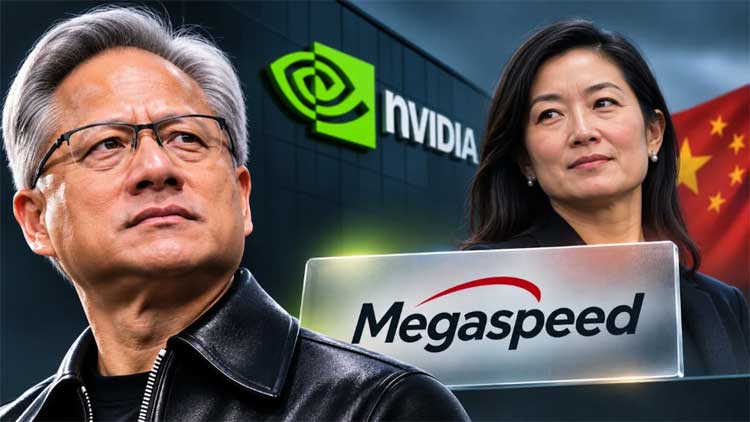
The United States is expected to place Singapore-based semiconductor company Megaspeed on its trade blacklist on Monday, amid an ongoing espionage investigation linked to Nvidia, a source familiar with the matter told Reuters.
The anticipated move follows reports about a relationship between Nvidia CEO Jensen Huang and Alice Huang, a Chinese businesswoman who controls Megaspeed and has reportedly been accused of spying for Beijing.
Companies added to the US trade blacklist, formally known as the Entity List, face restrictions on receiving American goods, software and technology without a special licence. Such licences are generally difficult to obtain and are likely to be denied.
The New York Times reported last month that US authorities had concluded Alice Huang was an asset of Chinese intelligence who allegedly shared information with Beijing while developing a close relationship with Nvidia’s chief executive.
Reuters could not independently verify the intelligence allegations. Beijing, meanwhile, has dismissed the accusations as “groundless”.
Megaspeed is listed by Nvidia as an official cloud partner in its partner directory. The Singapore-based company came under public scrutiny in October 2025 after The New York Times reported that US authorities were investigating whether it had helped Chinese customers gain access to advanced Nvidia chips restricted under Washington’s export controls.
The Commerce Department last added new entities to the trade blacklist in October 2025.
The potential action against Megaspeed comes amid broader US efforts to restrict China’s access to advanced semiconductor technology. However, Washington has also shown caution in expanding its trade restrictions.
As Reuters exclusively reported in June, the Trump administration had delayed adding Chinese artificial intelligence startup DeepSeek, memory chipmaker ChangXin Memory Technologies (CXMT) and more than 100 other companies identified as potential national security risks to the blacklist.
The decision reflected Washington’s efforts to avoid further escalating trade and diplomatic tensions with Beijing.
Comments are closed, but trackbacks and pingbacks are open.