
US Senate Criticizes Secret Service Over Trump Assassination Attempt Failures

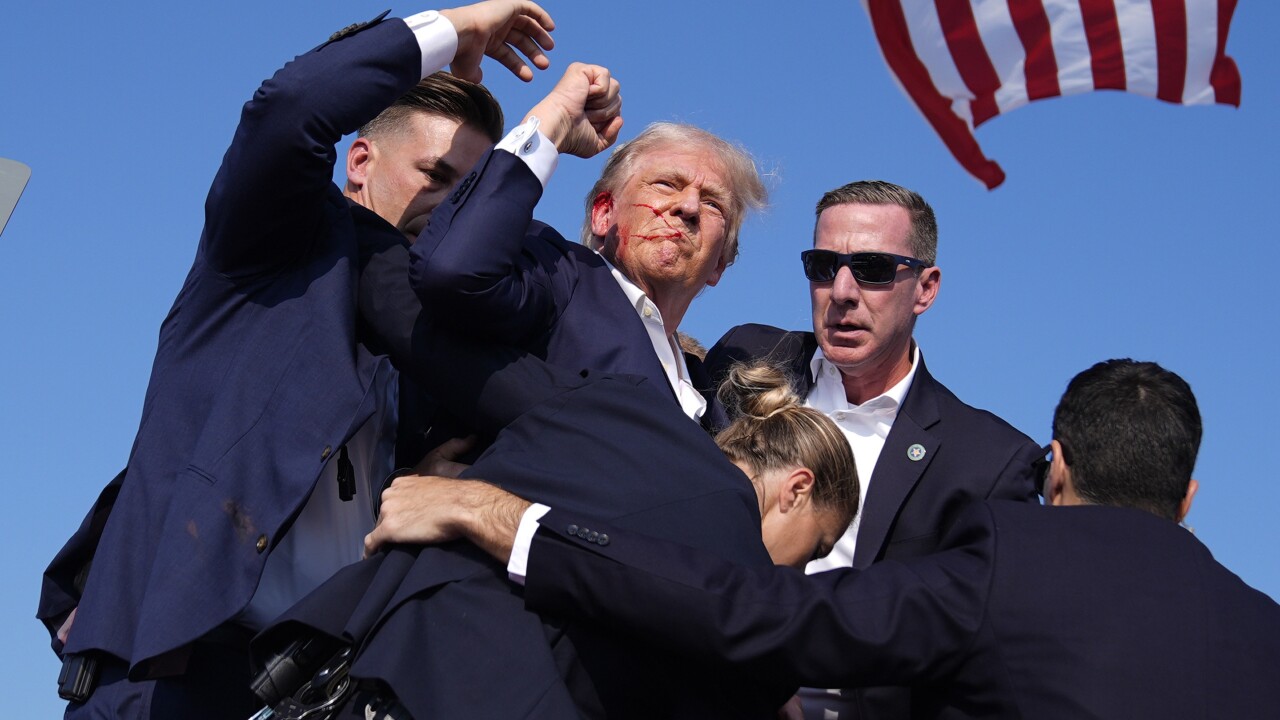
US Senate report has condemned the Secret Service for a series of “stunning failures” that enabled the attempted assassination of former President Donald Trump on July 13, 2024, at a campaign rally in Butler, Pennsylvania. Released on the one-year anniversary of the incident, the report highlights a cascade of preventable errors that nearly cost Trump his life.
The Incident and Its Aftermath
On July 13, 2024, 20-year-old Thomas Matthew Crooks fired an AR-style rifle from a rooftop outside the security perimeter, grazing Trump’s ear, killing one attendee, Corey Comperatore, and injuring two others before being neutralized by law enforcement. The Senate Homeland Security and Governmental Affairs Committee, led by Chairman Rand Paul, conducted an extensive investigation, reviewing over 75,000 documents and conducting 17 interviews to uncover the lapses.
Key Failures Identified
The report points to a “complete breakdown of security” marked by poor communication, inadequate coordination with local law enforcement, and the denial of additional security resources. Secret Service headquarters rejected at least 10 requests from Trump’s protective detail for enhanced assets, including counter-sniper teams and counter-drone systems, despite awareness of an elevated threat environment, including an alleged Iran-linked plot. Communication failures were exacerbated by technical issues with radios and separate command posts, leaving key personnel unaware of a suspicious individual with a rangefinder spotted 25 minutes prior to the shooting.
Accountability and Response
Criticism has centered on the lack of accountability, with no firings despite the severity of the incident. Six Secret Service personnel received suspensions ranging from 10 to 42 days, a measure deemed insufficient by the committee. Former Director Kimberly Cheatle, who resigned shortly after, faced accusations of providing false testimony by claiming no requests were denied, a claim contradicted by evidence of multiple denials. Current Director Sean Curran has pledged cooperation and highlighted reforms, but the report calls for stricter disciplinary action and improved protocols.
Broader Implications
The findings reveal a pattern of negligence, including assigning an inexperienced agent to lead security planning and failing to address known vulnerabilities like the unsecured rooftop. This has fueled debates about the agency’s preparedness and resource allocation, especially as a second assassination attempt occurred later in 2024. The report underscores the need for systemic changes to prevent future breaches, though questions remain about the shooter’s motives, which remain unclear.
Looking Ahead
As the Secret Service works to implement reforms, the Senate’s critique serves as a call for enhanced security measures and accountability. The incident’s impact continues to resonate, prompting a reevaluation of protective strategies for high-profile figures amidst ongoing threats.
Comments are closed.