
US proposes new tariffs on India, 59 other economies over forced-labour import enforcement

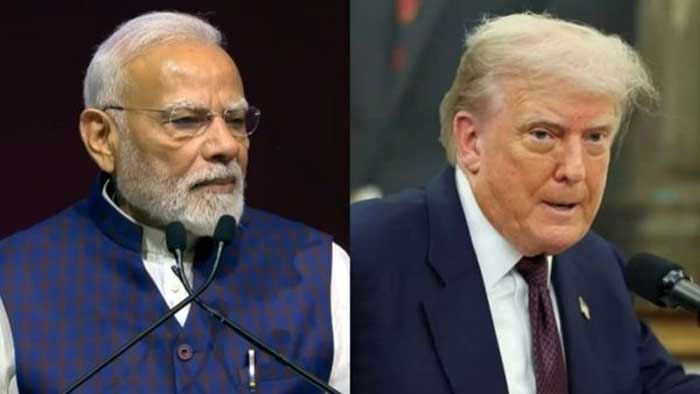
The Office of the United States Trade Representative (USTR) has proposed additional tariffs on imports from 60 economies, including India, after concluding that their policies and practices related to forced labour imports are unreasonable and place burdens on US commerce.
In a determination issued under Section 301 of the US Trade Act of 1974, the USTR said the targeted economies have failed to adequately prohibit or enforce restrictions on goods produced using forced labour. India is among 54 economies identified by the agency as lacking effective measures to prevent the importation of such products. The list also includes countries such as China, Bangladesh, Japan, Australia, the United Kingdom, Saudi Arabia, Singapore, Kuwait, Bahrain and the United Arab Emirates.
US Trade Representative Ambassador Jamieson Greer said the failure of major trading partners to address forced labour imports creates unfair competition for American workers and businesses.
Following the findings, the USTR has proposed imposing an additional 10% tariff on imports from economies that have adopted, or committed to adopt, forced-labour import prohibitions, while economies that have not taken such steps could face an additional duty of 12.5%. The agency has also proposed a separate mechanism targeting certain textile and apparel imports.
The investigations were launched in March and included testimony from nearly 60 witnesses as well as around 500 public submissions. According to the USTR, the absence of effective forced-labour import bans distorts global markets, disadvantages businesses that comply with labour standards and weakens international efforts to eradicate forced labour.
The proposal comes as India and the United States continue negotiations on the first phase of a bilateral trade agreement. Officials from both sides have been engaged in discussions on market access, tariffs, agriculture and digital trade, amid broader efforts to strengthen economic ties.
The move also follows months of trade friction linked to President Donald Trump’s reciprocal tariff agenda. While the proposed Section 301 action does not automatically result in new duties, such investigations can eventually lead to tariffs or other trade restrictions if the US administration decides to proceed.
The USTR has invited public comments until July 6 and plans to hold hearings on July 7 before making a final decision on the proposed measures.
Comments are closed.